
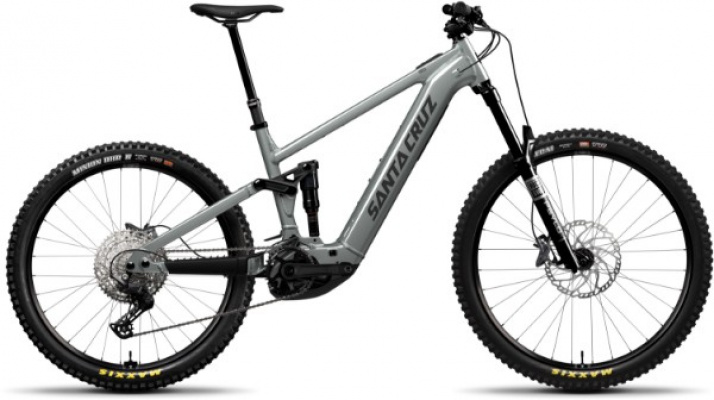
Santa Cruz Vala
Climb technical singletrack with Bosch's smoothest motor, then descend fast with playful mixed-wheel handling and composed suspension.
- Bosch Gen 5 motor: 85 Nm torque, intuitive power
- Horst link four-bar suspension replaces VPP
- Mixed-wheel setup: 29" front, 27.5" rear agility
- Dual flip chips adjust geometry and progression
- 600Wh battery with 250Wh extender option
- Carbon C and CC frames available
Santa Cruz Vala Deals
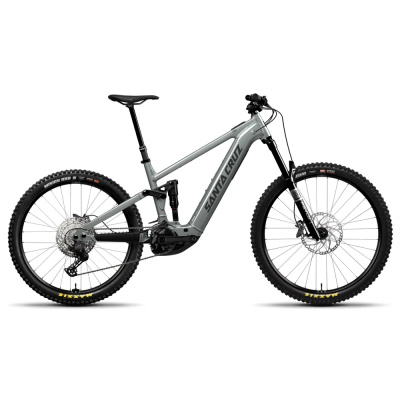
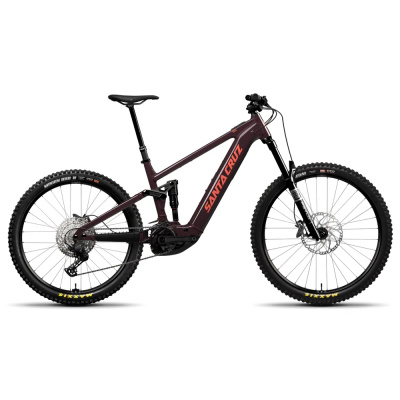
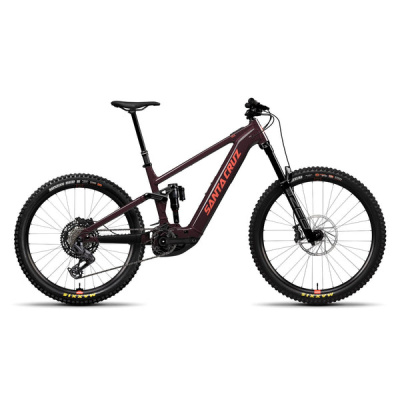


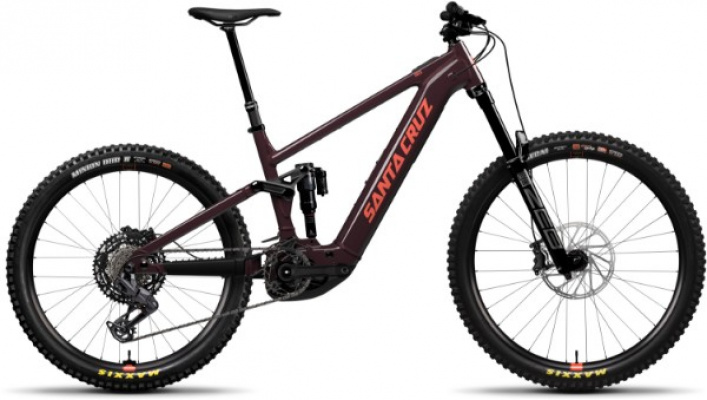
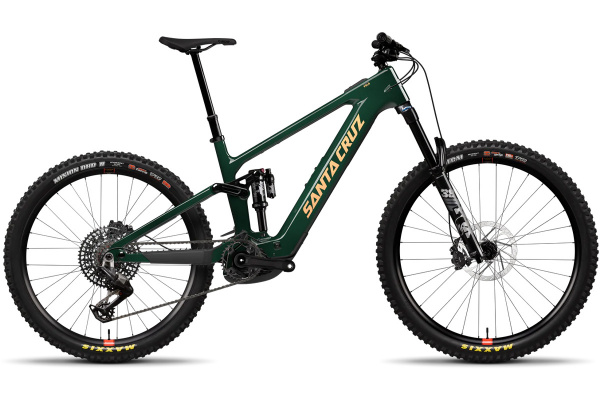
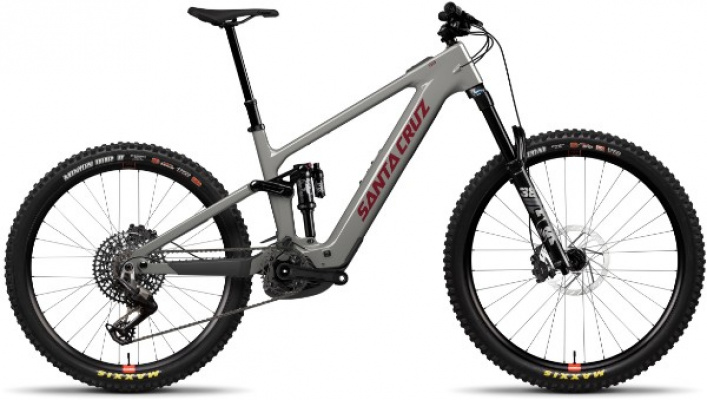
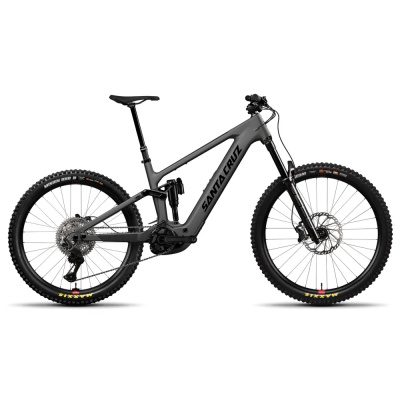

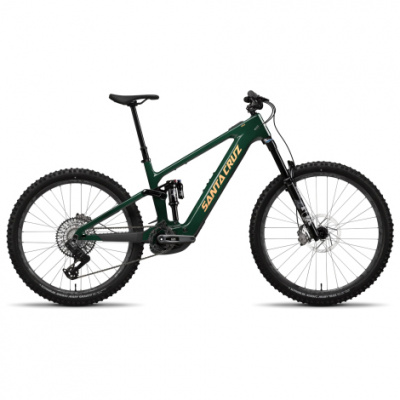
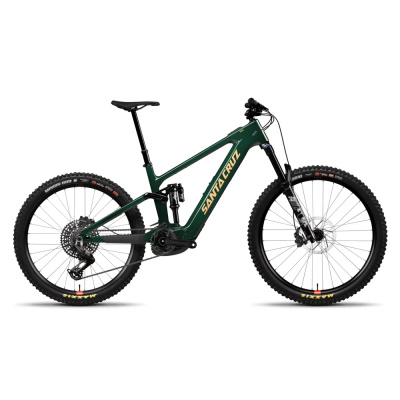
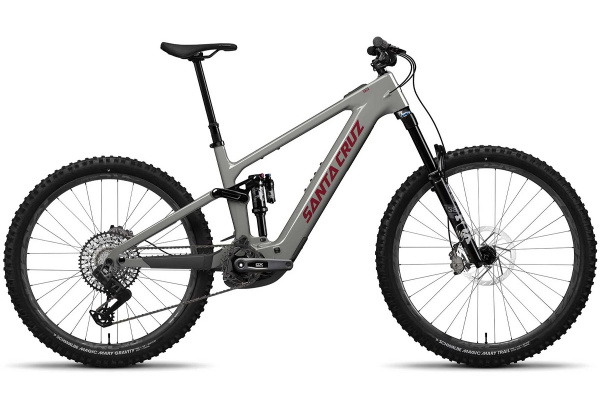
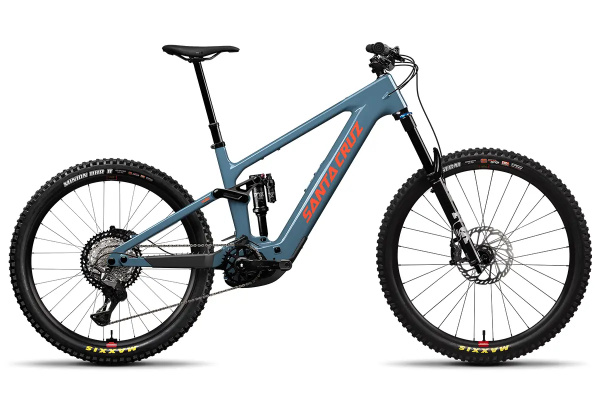
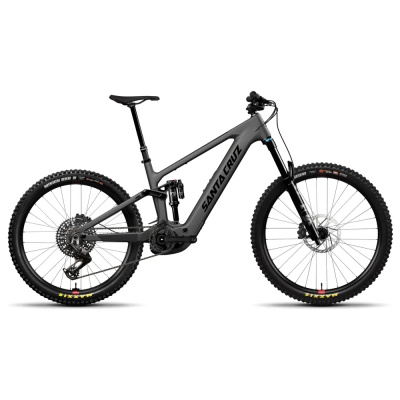

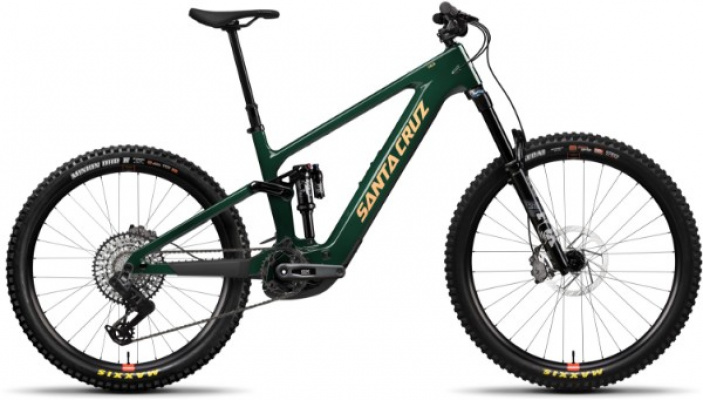
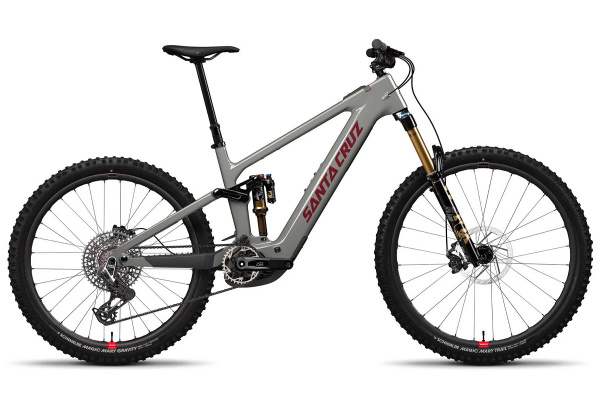
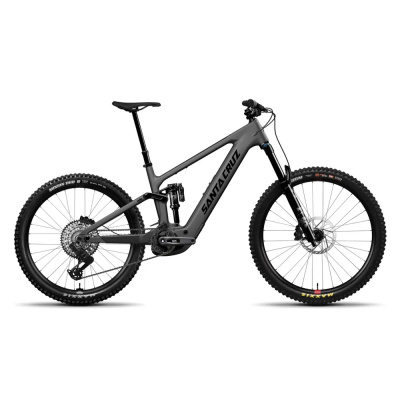

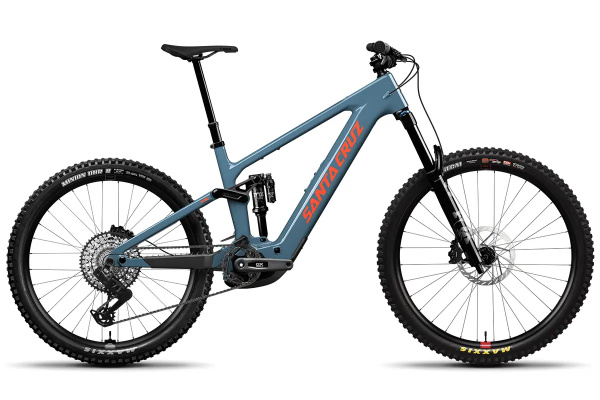
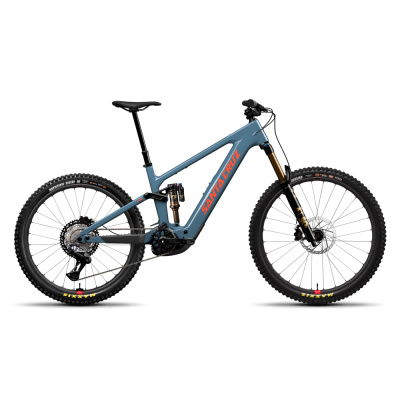
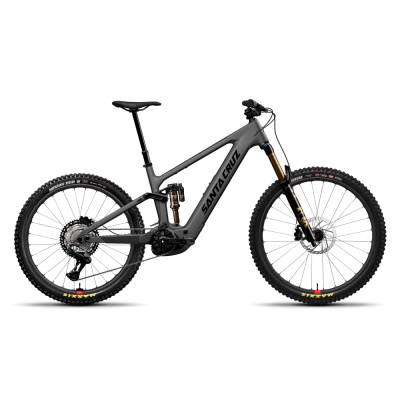
Prices and availability can change quickly. Delivery charges are not always included in listed prices.
Final price, stock status and delivery terms are set by retailer. We may receive a commission on purchases made.
Bikesy's Verdict
The Vala is Santa Cruz's most convincing full-power e-bike yet, and it's one of the best mid-travel eMTBs you can buy. The Bosch Gen 5 motor is smooth, powerful, and intuitive, the Horst link suspension is active and composed, and the mixed-wheel setup delivers a handling balance that's both playful and confidence-inspiring. It's a bike that feels like a trail bike with a motor, not an e-bike trying to mimic one, and that's exactly what matters.
The alloy Vala 70 build is well sorted, with quality suspension, brakes, and wireless shifting that'll handle serious terrain without complaint. The 600-Wh battery is adequate for most rides, though you'll want the range extender if you're planning all-day epics. It's not the lightest e-bike, and it's not the longest-travel, but it's versatile, refined, and built to reward commitment. If you want a bike that climbs efficiently, descends fast, and handles technical trails with precision, the Vala delivers.
Pros
- Bosch Gen 5 motor delivers 85 Nm with smooth, intuitive power that feels natural
- Playful mixed-wheel handling balances 29" stability with 27.5" rear agility
- Active Horst link suspension stays composed under braking and on rough descents
- Dual flip chips let you adjust geometry and progression for different terrain
- Well-sorted stock builds with quality suspension, brakes, and wireless shifting
Cons
- 600Wh battery may feel limiting on long rides if you don't add the range extender
- Heavier than lightweight trail bikes if you're used to sub-15kg machines
- Fork can feel firm out of the box until you dial in rebound and compression settings
About the Santa Cruz Vala
Santa Cruz has ditched VPP for its first full-power e-bike in years, and the result is a machine that feels less like a compromise and more like a proper trail weapon with a motor bolted on. The Vala pairs Bosch's Gen 5 motor - 85 Nm of torque delivered with the kind of intuitive smoothness that makes you forget you're riding assisted - with a Horst link four-bar suspension that's active, composed, and surprisingly playful. It's a mixed-wheel setup, 29-inch up front for rollover and calm, 27.5 out back for snap and agility, and the whole package weighs in around 21 to 24 kilos depending on spec. That's not featherweight, but it's competitive, and more importantly it doesn't feel like you're wrestling a moped when the trail tightens.
This isn't a bike that shouts about its motor. The Bosch unit sits low and central, the 600-Wh battery tucks inside the downtube, and the geometry - adjustable via dual flip chips - lets you dial between stable and slack or nimble and steep depending on whether you're pointing it at rock gardens or tight singletrack. Santa Cruz has kept the details tidy: internal cable routing that doesn't run through the headset, a bottle cage mount inside the front triangle, accessory bosses under the top tube, and clearance for proper 2.5-inch rubber. The frame is available in carbon C or the lighter, stiffer CC layup, and both are built to take the kind of punishment that comes with riding hard trails fast.
What matters most is how it rides. The Vala feels intuitive from the first pedal stroke, the motor's power delivery matching your effort without lag or surge, the suspension soaking up chatter and square edges while staying composed under braking and through compressions. It's a bike that rewards commitment - lean it over, trust the front end, and it'll hold a line through corners that would have lesser machines washing out. The mixed-wheel setup is key here: you get the stability and momentum of a 29er where it counts, but the rear end stays lively and responsive, letting you flick the bike around tight switchbacks or pump through rollers without feeling like you're piloting a barge. It's a balance that works, and it's one that makes the Vala feel more like a trail bike with a boost than an e-bike trying to mimic one.
Santa Cruz Vala geometry
The Vala's geometry is adjustable, and that's not just marketing fluff - it genuinely changes how the bike behaves. In the low setting, the head angle sits at 63.9 degrees, the bottom bracket drops a touch, and the whole bike feels planted and confidence-inspiring when the trail tilts down. Flip the chip to high, and you gain half a degree of steepness up front, lift the BB slightly, and sharpen the handling for tighter, more technical terrain. The reach is generous without being extreme - 480 millimetres on a large - so you're stretched out enough for stability but not so much that you're fighting the bike in slow-speed sections. The seat angle is steep, 77.5 degrees in the low setting, which keeps your weight forward and engaged on climbs, though some riders find the front end can wander on the steepest pitches if you're not deliberate with your body position.
Chainstays are short for an e-bike, hovering around 443 millimetres on a large, and that's where the playfulness comes from. The rear wheel sits close enough to the bottom bracket that you can weight it, unweight it, and generally throw the bike around without feeling like you're fighting a long, sluggish rear end. The stack is moderate, so you're not sitting bolt upright like you're on a commuter, but you're not slammed into an aggressive XC crouch either. It's a posture that works for long days, technical descents, and everything in between. The wheelbase stretches out to around 1,268 millimetres in the low setting, which sounds long but doesn't feel it - the bike still corners with precision, and the front end doesn't feel remote or disconnected. When you're threading through tight trees or navigating off-camber roots, the Vala feels manageable, almost nimble, despite the motor and battery adding bulk.
Component choices & upgrades
The stock builds on the Vala are well sorted, and for most riders they'll be more than enough. The alloy Vala 70 model - the focus here - comes with a RockShox Zeb Base fork and Fox Float X Performance Elite shock, both offering 160 millimetres of travel up front and 150 at the rear. The Zeb is a capable fork, stiff and controlled, though some riders might find the damping a touch firm out of the box; a bit of time with the rebound and compression adjustments usually sorts that. The Fox shock is excellent, with a plush initial stroke and enough mid-stroke support to keep you from blowing through travel on big hits. Brakes are SRAM Maven Bronze Stealth, four-piston units with 200-millimetre rotors front and rear, and they've got the power and modulation to haul the Vala's weight down from speed without drama.
Drivetrain is SRAM GX Eagle AXS T-Type, wireless electronic shifting with a 10-52 tooth cassette that gives you enough range to spin up steep climbs and still have gears left over for flat sections. The AXS system is reliable, precise, and low-maintenance, though if you're on a budget the mechanical GX Eagle option on lower builds works just fine. Wheels are Raceface ARC 30 HD rims laced to E13 SL hubs, and they're tough, wide enough for proper tyre support, and hold up well to the kind of abuse that comes with riding hard trails. Tyres are Schwalbe Magic Mary front and rear, 2.5-inch width, and they're grippy, predictable, and confidence-inspiring in loose or wet conditions. If you're riding drier, harder-packed trails, you might swap the rear for something faster-rolling, but the stock setup is a solid all-rounder.
Upgrades? If you're riding at a level where the stock kit is holding you back, you'll know it. A Fox 38 Factory fork with Grip X2 damper would add more adjustability and a touch more refinement, but it's not essential unless you're chasing every last bit of performance. The Maven Bronze brakes are already excellent; stepping up to Maven Silver or Ultimate would save a few grams and add some bling, but the performance gain is marginal. Wheels are the one area where an upgrade might make sense if you're particularly hard on kit - Reserve 30 HD carbon rims with Industry Nine Hydra hubs would shed weight, add stiffness, and give you faster engagement, but they're a significant investment. For most riders, the stock build is sorted, and your money is better spent on riding more trails than chasing incremental gains.
Where the Santa Cruz Vala excels
The Vala is outstanding at aggressive trail riding - the kind where you're climbing technical singletrack, descending fast and rough, and spending most of your time in the middle of the travel range. It's a bike that thrives on variety: steep climbs where the motor and steep seat angle keep you moving, tight switchbacks where the short chainstays and mixed-wheel setup let you pivot and pump, and long, rough descents where the suspension stays active and the geometry keeps you composed. If your rides mix fire roads, rocky chutes, root-strewn singletrack, and the occasional jump or drop, the Vala is in its element. It's not a bike that does one thing brilliantly and everything else poorly; it's a bike that does a lot of things very well, and that versatility is its greatest strength.
It also excels at making e-bike riding feel natural. The Bosch Gen 5 motor is quiet, smooth, and intuitive, and the power delivery is so well-matched to your pedal input that you stop thinking about the assist and just ride. The suspension is active enough to keep the rear wheel tracking over rough ground, but it doesn't wallow or bob when you're putting power down. The geometry is stable enough to inspire confidence at speed, but not so slack that you're fighting the bike in tight, technical sections. It's a bike that feels like a trail bike first and an e-bike second, and that's exactly what Santa Cruz was aiming for.
Where it's not ideal: pure XC racing or long, smooth fire-road slogs. The Vala is built for terrain with texture, and if you're spending most of your time on smooth, fast trails, you're carrying suspension travel and motor weight you don't need. The 600-Wh battery is adequate for most rides, but if you're planning all-day epics or riding in high-power modes constantly, you'll want the 250-Wh range extender. And while the Vala is playful for an e-bike, it's still 21-plus kilos - if you're used to a lightweight trail bike, there's an adjustment period. But for riders who want a bike that can handle serious terrain, climb efficiently, and descend with confidence, the Vala delivers.
Santa Cruz Vala FAQs
What is the range of the Santa Cruz Vala with a 600Wh battery? Range depends on terrain, rider weight, and assist mode, but expect 30 to 50 kilometres in mixed conditions with moderate assist. Push it hard in Turbo mode on steep climbs, and you'll drain the battery faster; ride efficiently in Eco or Tour, and you'll stretch it further. The 250-Wh range extender adds roughly 40 to 50 per cent more distance if you're planning longer rides.
How does the Santa Cruz Vala's four-bar suspension differ from VPP? The Vala uses a Horst link four-bar design instead of Santa Cruz's traditional VPP, primarily to accommodate the Bosch motor and battery while optimising suspension kinematics. The Horst link pivots at the rear dropout, which keeps the suspension active under braking and allows for a more rearward axle path. It's a different feel - more linear and controlled - but it's still refined, active, and composed, just without the VPP's characteristic mid-stroke support.
Is the Santa Cruz Vala suitable for enduro racing? It's capable, but not purpose-built for it. The Vala has 150 millimetres of rear travel and 160 up front, which is on the shorter end for modern enduro racing, and the motor adds weight that you'll feel on long, physical stages. If you're racing casually or doing enduro-style riding for fun, the Vala is more than up to the task. For serious racing, you'd want more travel and a lighter, more aggressive setup - something like the Bullit would be a better fit within the Santa Cruz range.
What is the weight of the Santa Cruz Vala? Around 21.4 kilos for an XL carbon C build without pedals, though weights vary depending on frame material and spec. The lighter CC carbon frames and higher-end builds with carbon wheels and lighter components can drop closer to 21 kilos, while alloy builds with heavier parts might push towards 24 kilos. It's competitive for a full-power e-bike, but it's not a lightweight.
Can the battery be removed from the Santa Cruz Vala? Yes, the 600-Wh Bosch PowerTube battery is removable via a port on the downtube. You'll need the key to unlock it, and once it's out you can charge it separately or swap in a fresh one if you've got a spare. The range extender, if you're using one, also removes easily for charging or storage.
What kind of rider is the Santa Cruz Vala best suited for? Riders who want a high-performance e-bike for aggressive trail riding, technical climbs, and fast descents. If you're comfortable on challenging terrain, value refined suspension and intuitive handling, and want a bike that feels like a trail bike with a motor rather than a heavy, sluggish e-bike, the Vala is a strong choice. It's not for beginners or casual riders who just want assist for mellow trails - it's built for riders who push hard and expect their bike to keep up.
How does the Santa Cruz Vala compare to the Specialized Levo? Both are full-power, mid-travel e-bikes with strong motors and refined suspension, but they have different characters. The Levo has a larger battery (700 or 900 Wh depending on spec), which gives it more range, and it's available with more travel options. The Vala is more playful and agile thanks to the mixed-wheel setup and shorter chainstays, and the Bosch motor feels slightly more intuitive than Specialized's own motor. The Levo is more versatile across a wider range of riding styles; the Vala is more focused on technical, aggressive trails.
What are the geometry adjustments available on the Santa Cruz Vala? The Vala has two flip chips: one at the seatstay and rocker link junction that adjusts head angle, seat angle, and bottom bracket height (high or low setting, half a degree difference), and a second at the lower shock mount that adjusts suspension progression (26 to 29 per cent leverage rate). You can mix and match settings to tune the bike for different terrain - slacker and more progressive for rough, steep descents, or steeper and less progressive for tighter, more technical trails. It's trailside-adjustable with a hex key, and the changes are noticeable.
Key Features & Benefits
- Bosch Performance Line CX Gen 5 motor with 85 Nm torque: Smooth, intuitive power delivery that matches your effort without lag, making climbs feel effortless and descents controlled
- Horst link four-bar suspension with 150mm rear / 160mm front travel: Active, composed ride that soaks up chatter and stays planted under braking, giving you confidence on rough, technical descents
- Mixed-wheel setup: 29" front, 27.5" rear: Combines rollover stability and momentum up front with agile, playful handling at the rear for tight corners and technical sections
- Dual flip chips for geometry and suspension progression adjustment: Trailside tuning lets you dial the bike for steep, rough descents or tighter, more technical terrain without tools or guesswork
- 600Wh Bosch PowerTube battery with 250Wh extender compatibility: Balanced range for most rides with the option to add more capacity for all-day epics or high-power riding
Santa Cruz Vala 2024 and earlier
The Santa Cruz Vala was launched in autumn 2024 as a 2025 model, representing Santa Cruz's first full-power e-bike in several years and effectively replacing the Heckler eMTB. No 2024 or earlier Vala models exist; the 2025 release introduced the Horst link four-bar suspension design, Bosch Performance Line CX Gen 5 motor, mixed-wheel setup, and dual flip-chip geometry adjustment as entirely new features for the platform. The 2025 model year remains current, with no significant changes documented for 2026.
Alternatives to Consider
Within Santa Cruz's own range, the Heckler SL offers a lighter, less powerful motor if you want more of a natural trail-bike feel with just enough assist to flatten the climbs, while the Bullit steps up to 170 millimetres of travel and a more enduro-focused chassis if you're chasing bigger hits and steeper descents. The Vala sits between them, balancing full-power assistance with mid-travel versatility.
Cross-brand, the Specialized Levo Gen 4 is the most direct rival: it's got a larger battery (700 or 900 Wh depending on spec), more travel options, and a slightly more versatile character, though the Vala feels more playful and intuitive thanks to the mixed-wheel setup and Bosch motor. The Rocky Mountain Instinct PowerPlay offers similar travel and a Dyname motor that's smooth and powerful, but it's a touch more planted and less agile than the Vala. The Orbea Wild is another strong contender, with adjustable geometry and a Bosch motor, though it skews slightly more towards all-mountain versatility than the Vala's focused trail aggression. If you want something lighter and more XC-oriented, the Trek Fuel EXe drops to a mid-power motor and shorter travel, sacrificing some of the Vala's descending confidence for nimbleness and efficiency. For riders who prioritise playful handling and intuitive power delivery over maximum battery capacity or travel, the Vala is hard to beat.
Reviews
Bosch's Gen 5 motor sets the tone from the first pedal stroke: 85 Nm of torque delivered with a smoothness that makes you forget you're riding assisted. Power builds progressively as you lean into the pedals, no surge or lag, just a steady push that matches your effort and keeps you moving even when the trail tilts vertical. We rate the motor's refinement highly - it's quiet, intuitive, and never feels like it's fighting you or taking over.
Suspension is where the Vala really earns our respect. The Horst link four-bar design is a departure from VPP, but it's active, composed, and surprisingly plush. Initial stroke soaks up chatter and small impacts without feeling vague, mid-stroke support keeps you from blowing through travel on compressions, and the end-stroke ramp-up catches you on big hits without harshness. When you're braking hard into a corner or hammering through a rock garden, the rear wheel stays planted and tracking. That's confidence.
Handling is playful without being twitchy. The mixed-wheel setup - 29-inch front, 27.5 rear - gives you rollover and stability where it counts, but the short chainstays and lively rear end let you flick the bike around tight switchbacks or pump through rollers without feeling like you're wrestling a barge. Lean it over, trust the front end, and it holds a line through corners that would have lesser machines washing out. Because the geometry is adjustable via dual flip chips, you can dial it slacker and more progressive for rough, steep descents, or steeper and sharper for tighter, more technical trails. We appreciate that flexibility - it's not just marketing, it genuinely changes how the bike behaves.
Climbs are efficient, the steep seat angle keeping your weight forward and engaged, though the front end can wander on the steepest pitches if you're not deliberate with body position. Descents are where the Vala shines: stable, composed, and fast, with suspension that stays active under braking and geometry that inspires commitment. If your rides mix technical climbs, rough descents, and tight singletrack, the Vala is in its element. It's a bike that does a lot of things very well, and that versatility is what wins us over.
Full Specification
| Spec | Value |
|---|---|
| Frame Material | Carbon (C and CC grades) |
| Frame Design | Horst link four-bar suspension |
| Frame Features | Geometry-altering flip chips; progression flip chip; internal cable routing; bottle cage mount; accessory bosses; 2.5" tyre clearance; integrated frame protection; long dropper post compatibility; one-piece bridged link and seatstay bridge; lower main pivot guard; replaceable shock mount threads and pivot hardware |
| Available Sizes | S, M, L, XL, XXL |
| Fork | Fox 38 Factory/Performance Elite or RockShox Zeb Base |
| Fork Travel | 160mm |
| Fork Damper | Grip X2 (Fox models) |
| Rear Shock | Fox Float X Factory/Performance Elite |
| Rear Travel | 150mm |
| Rear Shock Adjustments | Rebound, compression damping, independent flip chips for geometry and progression |
| Suspension Platform | Horst link four-bar |
| Drivetrain | 1x12 speed |
| Shifters | SRAM AXS Pod Controller (Rocker Paddle) or SRAM AXS Pod Bridge; mechanical shifters on lower-end builds |
| Rear Derailleur | SRAM XX Eagle AXS T-Type, X0 Eagle AXS T-Type, or GX Eagle AXS T-Type |
| Crankset | SRAM X0 Eagle or GX Eagle; E13 Helix eSpec |
| Crank Length | 160mm |
| Cassette | SRAM XX Eagle T-Type (10-52t), X0 Eagle T-Type (10-52t), or GX Eagle (10-50t or 10-52t) |
| Chain | SRAM XX Eagle T-Type, X0 Eagle T-Type, or GX Eagle T-Type (Flattop) |
| Brakes | Hydraulic disc |
| Brake Levers | SRAM Maven Ultimate Stealth, Maven Silver, or Maven Bronze Stealth; SRAM DB8 on R model |
| Rotors (Front) | 200mm (SRAM HS2); 220mm on R model |
| Rotors (Rear) | 200mm (SRAM HS2) |
| Wheels | 29" front, 27.5" rear (mixed-wheel setup) |
| Rims (Front) | Santa Cruz Reserve 30|HD carbon or Raceface ARC 30 HD |
| Rims (Rear) | Santa Cruz Reserve 30|HD carbon or Reserve 31 DH (X0 AXS RSV); Raceface ARC 30 HD |
| Hubs (Front) | Industry Nine Hydra or DT Swiss 350; SRAM MTH 716 or E13 SL on aluminium builds |
| Hubs (Rear) | Industry Nine Hydra or DT Swiss 350; SRAM MTH 746 or E13 SL on aluminium builds |
| Tyres (Front) | Schwalbe Magic Mary 29x2.5" radial; Maxxis Assegai or Minion (build-dependent) |
| Tyres (Rear) | Schwalbe Magic Mary 27.5x2.5" radial; Maxxis Assegai or Minion (build-dependent) |
| Tyre Casing | Radial |
| Handlebar | Santa Cruz 35 Carbon Bar (800mm) or OneUp Aluminium Bar (35mm rise, 800mm) |
| Stem | Burgtec Enduro MK3 Machined (42mm) or OneUp Stem (42mm) |
| Grips | Santa Cruz Bicycles House Grips |
| Headset | Chris King DropSet 3 integrated or Cane Creek 50 IS integrated |
| Seatpost | OneUp Dropper Post (31.6mm); SDG Tellis on R build |
| Seatpost Travel | S: 120mm; M: 180mm; L: 210mm; XL/XXL: 240mm |
| Saddle | WTB Silverado Medium Fusion or SDG Bel-Air V3 |
| Motor | Bosch Performance Line CX Gen 5 |
| Motor Power | 750W peak; 85 Nm torque |
| Battery | Bosch PowerTube 600Wh |
| Range Extender Compatibility | Bosch PowerMore 250Wh |
| Weight (Approx) | 21.4 kg (XL without pedals); 22.24 - 24 kg depending on build and material |