
Whyte Kids Bikes
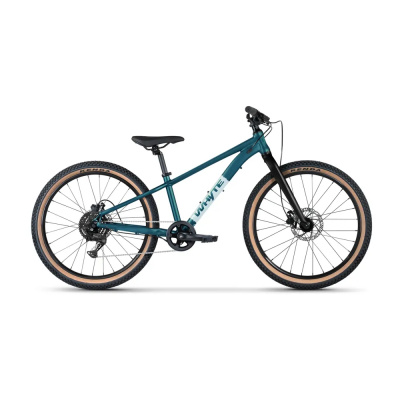
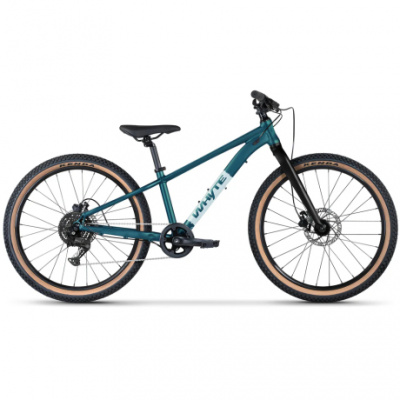
Whyte kids bikes aren't toys dressed up in trail colours - they're scaled-down versions of the same award-winning adult MTBs that have been thrashing UK singletrack for years. Whyte applies their Total Geometry philosophy to every youth model, which means a slacker head angle, lower centre of gravity, and a longer reach that stops smaller riders getting pitched forward on steep descents. That's not a marketing claim; it's a measurable difference in how a child handles a proper trail bike versus a cheap supermarket substitute.
The frames use lightweight hydroformed alloy throughout, keeping weights honest so a kid isn't wrestling a bike that outweighs their ability. Proportional components - particularly the narrow Q-factor cranks - are sized to protect young knees and produce genuinely efficient pedalling, not just adult parts bolted down to fit. Whether your rider is working up to their first red at Cannock Chase or exploring local woods on a weekend, the geometry and spec are set up to build real skill rather than mask bad habits. Whyte's full MTB range shares the same engineering DNA, and the youth lineup is a direct extension of that - no corners cut for the junior market.
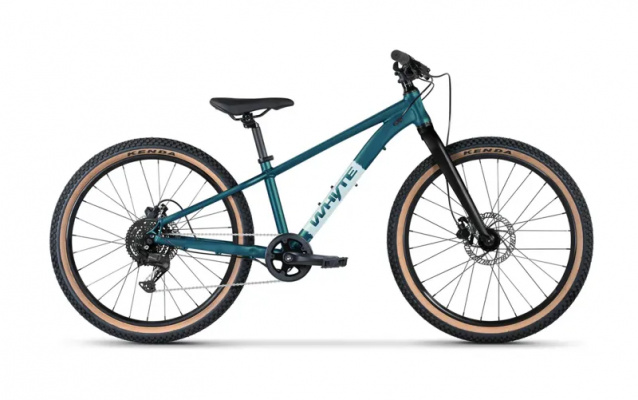
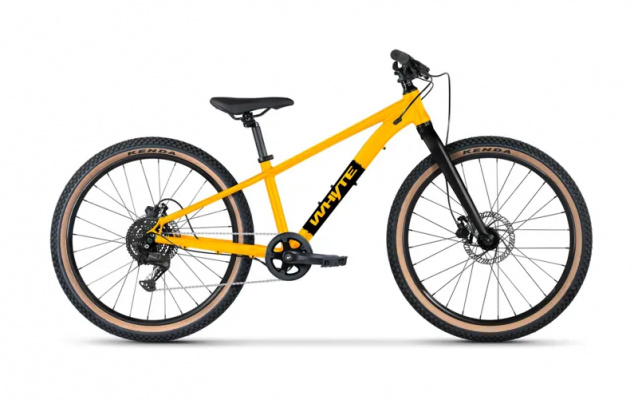
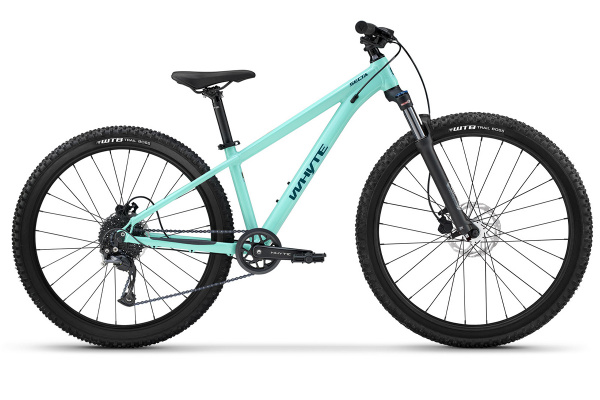
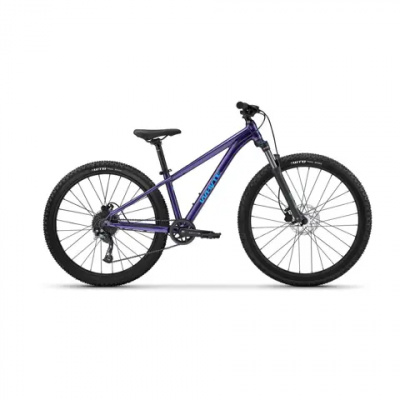
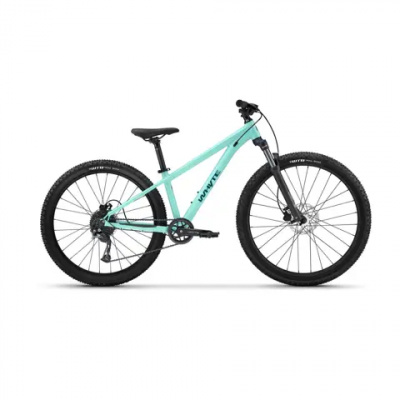
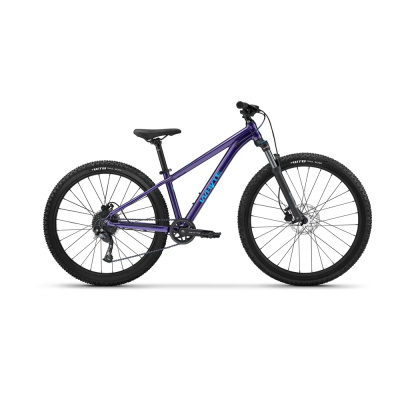
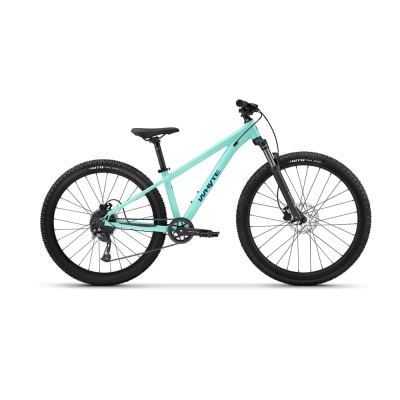
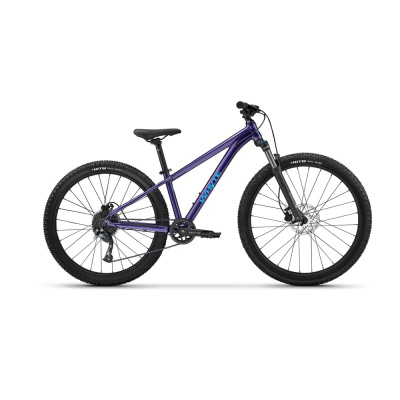
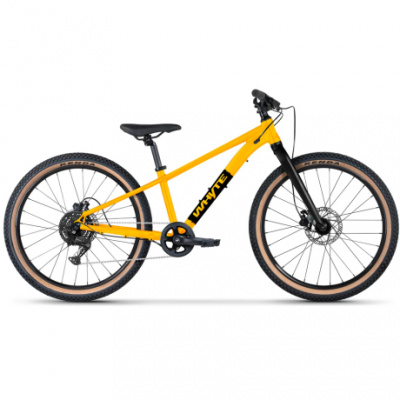
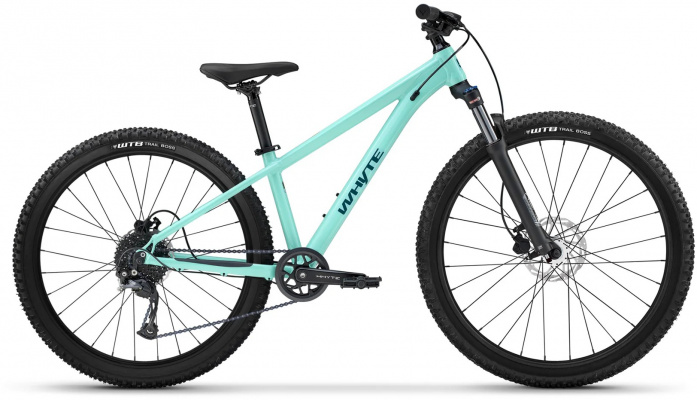
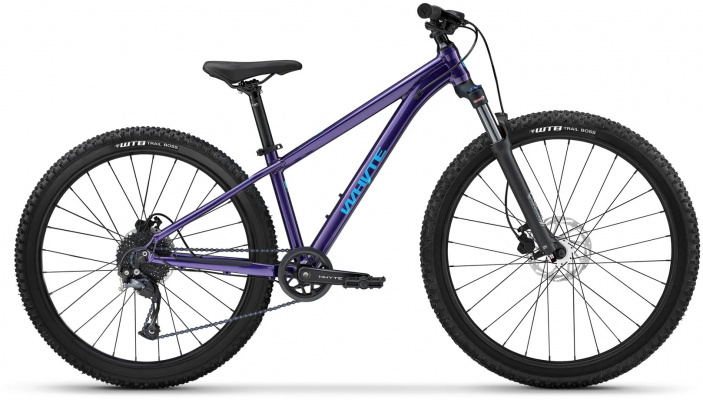
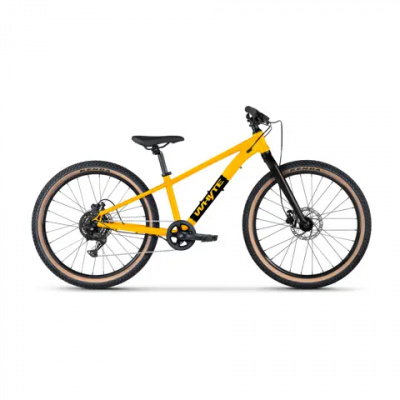
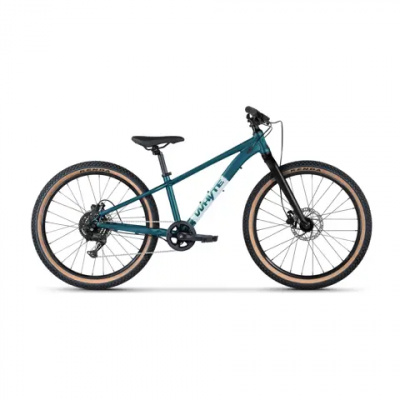
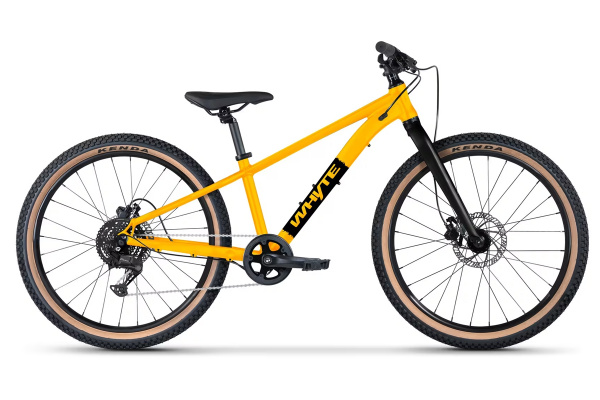
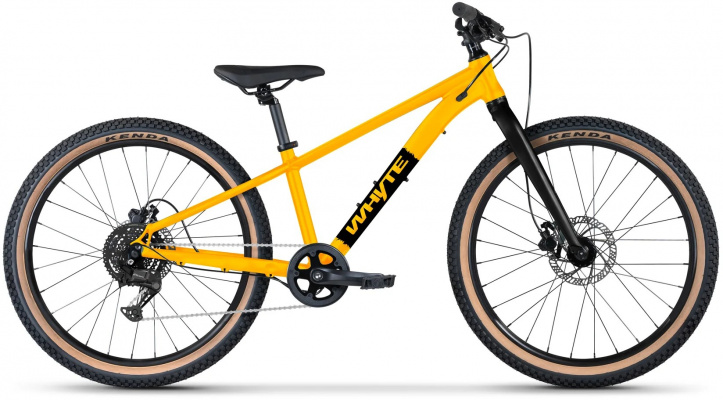
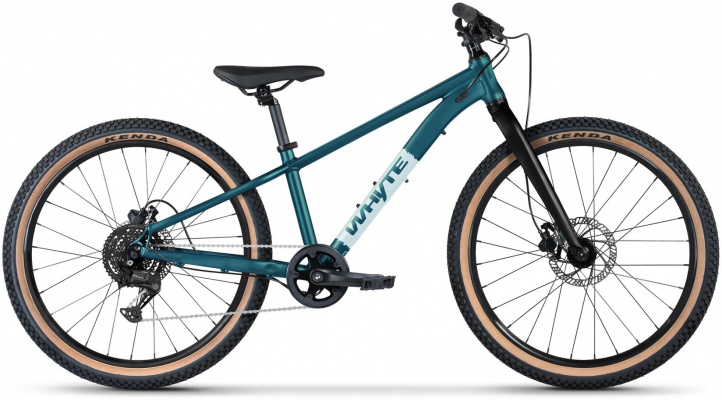
Prices and availability can change quickly. Delivery charges are not always included in listed prices.
Final price, stock status and delivery terms are set by retailer. We may receive a commission on purchases made.
Decoding the Whyte Kids Bike Lineup
Whyte structures its youth range around wheel size, and that's the right way to think about it - rider height is a far more reliable guide than age. The 200 series runs 20-inch wheels and suits riders roughly between 115cm and 130cm, covering the jump from balance bike confidence to proper geared trail riding. Step up to the 300 series on 24-inch wheels and you're into territory that handles genuine trail riding - rooty, off-camber, the kind of stuff that demands real geometry rather than a toy-spec fork.
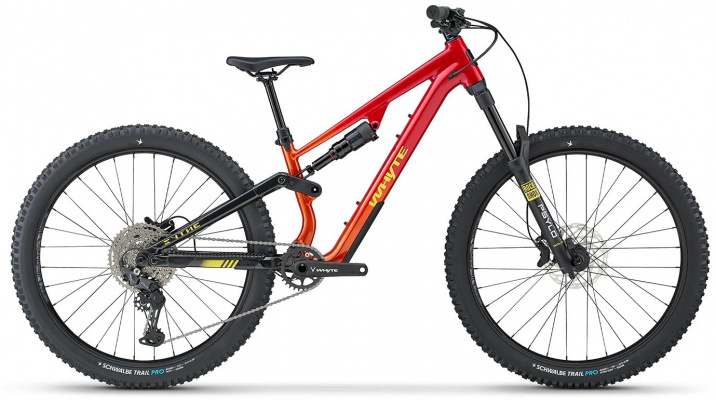
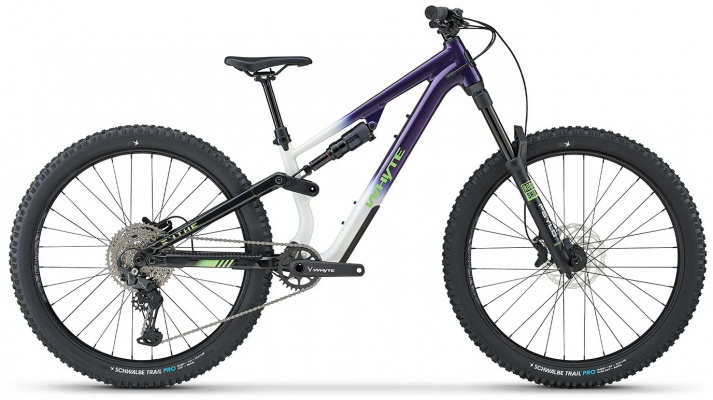
The 400 series is where things get serious. Running 26-inch or 27.5-inch wheels depending on the model, this is the range where Whyte's adult trail bike thinking really lands. The Whyte 403 is the entry point into the 400 series - still trail-capable, but specced for riders who are building confidence rather than chasing podiums. The Whyte 405 steps up with a higher-spec fork and drivetrain, aimed at younger riders who are already sessioning features and want components that keep pace with their ability. Both share the same SCR-specific frame and Total Geometry; the difference is in how much performance hardware you're pairing with that foundation. If your child is already hitting blue and red grades regularly, the 405 is worth the stretch. If they're still building trail awareness, the 403 gives them everything they need without the premium.
Don't get drawn into buying a bigger wheel size for growing room. A bike that fits now - correct standover, correct reach - will develop skills faster and keep them safer. Whyte's sizing steps are close enough that you won't wait long before the next model makes sense.
The Whyte Tech Philosophy: Scaled-Down Performance
Most junior bikes are adult frames shrunk on a photocopier. Whyte actually rethinks the geometry for smaller riders, and the difference is felt immediately on any descent with gradient. Total Geometry - the same system Whyte applies across their adult trail range - means the youth frames run a slacker head angle than you'd find on comparable kids' bikes, pushing the front wheel further forward. The result is stability at speed without the sluggish steering that a long wheelbase can produce on tighter trails. It keeps riders off the front wheel on drops and compressions, which is the most common cause of confidence-knocking moments for young riders learning to read trail features.
The SCR (Single Chain Ring) specific frame design is worth understanding. By building the frame around a single ring setup from the outset - rather than adapting a multi-ring frame - Whyte achieves symmetrical chainstays. That saves meaningful weight and, critically for UK riding, creates far better clearance between the tyre and frame. Thick winter mud, the kind you find clogging trails in the Welsh valleys or on Scottish forest tracks after three days of rain, has somewhere to go rather than packing solid and stopping the wheel. It's a small engineering decision with a big practical payoff.
Proportional cranks with a narrow Q-factor are the detail that separates a genuinely engineered junior bike from one that's simply been scaled visually. Adult cranks force young riders' feet wide apart, which loads the knees at an unnatural angle and kills pedalling efficiency. Whyte's cranks are designed around the narrower hip width of a child, so the pedalling motion is biomechanically sound. Over a long climb or a full trail day, that matters - less fatigue, less knee strain, more energy left for the descent. Pair the bike with a set of flat pedals and younger riders get immediate foot-placement feedback, which is exactly what you want at the skill-building stage.
Living with a Whyte Kids Bike in the UK
UK trail riding means mud, grit, and a lot of hosing down. Whyte's sealed cartridge bearings handle repeated washing without the deterioration you get from cheaper open-bearing setups, which start creaking within a season of British winter use. Internal cable routing keeps the gear and brake lines away from the worst of the debris, reducing both wear and the frequency of cable replacements. Neither of these details sound exciting in a showroom, but six months into trail-centre weekends you'll notice the difference against bikes that haven't been built with wet conditions in mind.
The standover height on Whyte's youth frames is deliberately low. That makes a real difference to how confidently a child can put a foot down on technical sections, and it also means you can move a rider onto the next size up earlier than you might expect without the bike feeling unmanageable. Resist the temptation to buy two sizes ahead for growing room - a bike that's too big actively slows skill development and makes steep sections genuinely intimidating. Whyte's sizing increments are close enough that trading up every two to three years is realistic, and these bikes hold their value well on the second-hand market, which softens the cost of stepping through the range.
On the component side, hydraulic disc brakes are standard across the upper 300 and 400 series, and that's not a luxury on UK trails - it's a practical necessity. A child with consistent, modulated stopping power on a muddy descent builds confidence faster than one fighting mechanical brakes that fade when wet. Check brake lever reach is set correctly for small hands before every ride; most levers have a reach adjuster and it takes thirty seconds. A well-fitted kids' helmet matters just as much as the bike spec - make sure the fit is snug and the retention system is adjusted, not just pulled on and left.
For parents comparing Whyte against other junior MTB options, the Whyte adult range gives useful context for understanding how seriously the brand treats geometry and frame engineering at every level. These aren't a separate, lesser product line - they're the same thinking applied to a different rider size.
Whyte Kids Bikes FAQs
Are Whyte kids bikes worth the money?
For trail-focused riding, yes. The lightweight alloy frames, proper youth geometry, and hydraulic disc brakes put Whyte well ahead of budget alternatives. They're also built to last and hold resale value solidly, so when your child outgrows one, you'll recover a reasonable chunk of the cost on the second-hand market.
What age is a Whyte 403 for?
Age is a rough guide at best - rider height is what matters. The Whyte 403 suits kids between roughly 135cm and 152cm (about 4'5" to 5'0"), which typically covers ages 9 to 12. Check standover clearance and reach before committing; a correctly sized bike will always develop skills faster than one bought for future growth.
How heavy is a Whyte kids bike?
The Whyte 403 comes in at around 12.5kg, which is notably light for a properly specced junior trail bike. The lightweight alloy frame construction keeps the weight proportional to a child's body weight, making climbs manageable and the bike easier to manoeuvre on technical sections compared to heavier budget alternatives.