
Trek Mitts
Trek cycling mitts are built around one straightforward idea: your hands should feel good at mile one and mile one hundred. Using Trek's proprietary inForm BioDynamic design, these short-finger gloves are anatomically mapped to shift pressure away from the ulnar nerve - that patch of your palm that goes numb on a rough A-road descent and ruins the rest of your ride. It's a real problem on UK chip-seal, and Trek's engineering approach addresses it directly rather than just piling on foam.
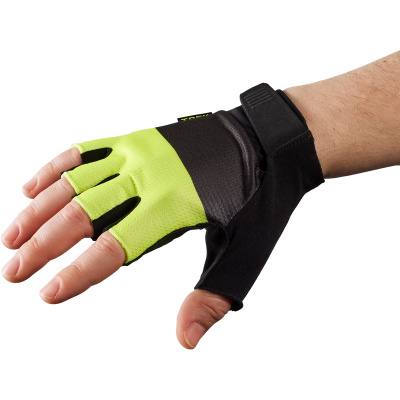
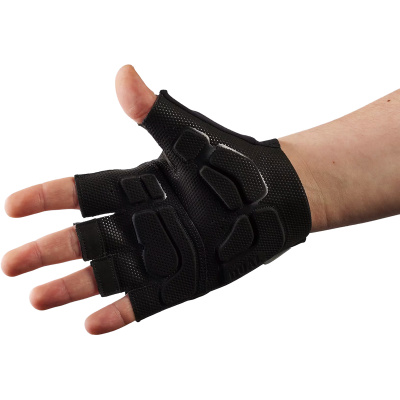
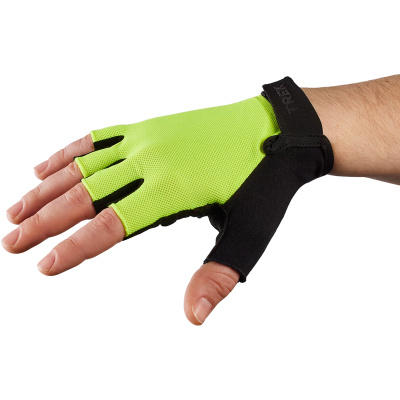
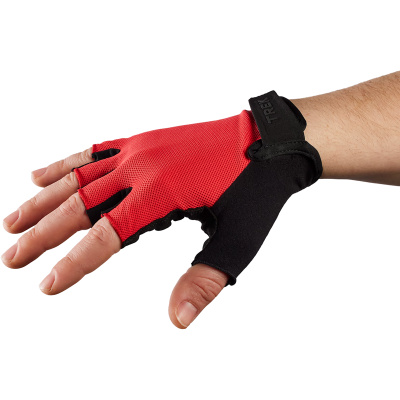
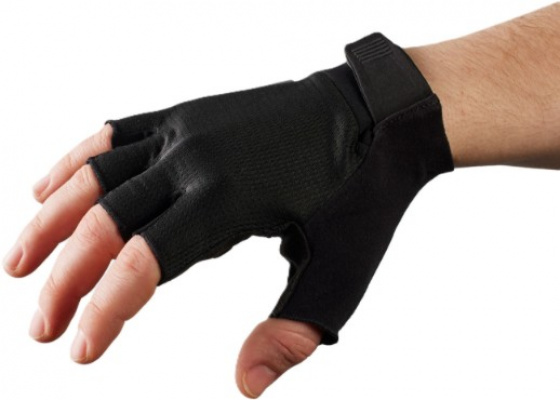
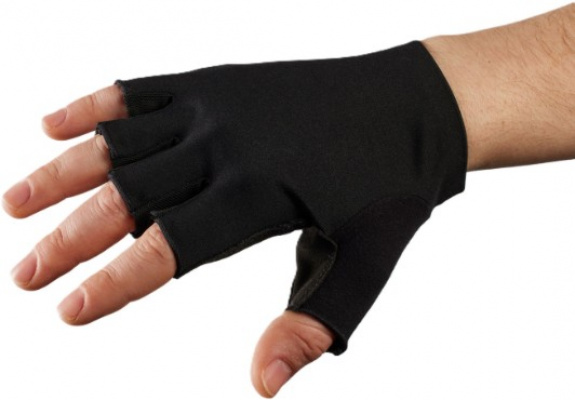
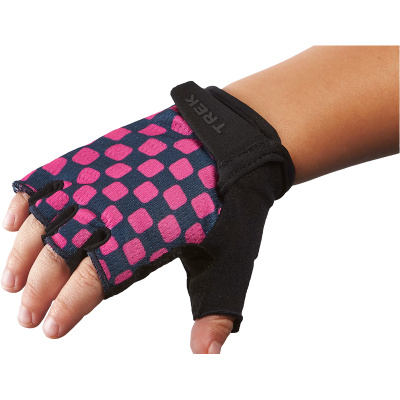
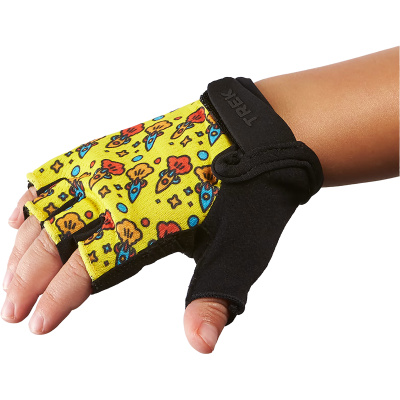
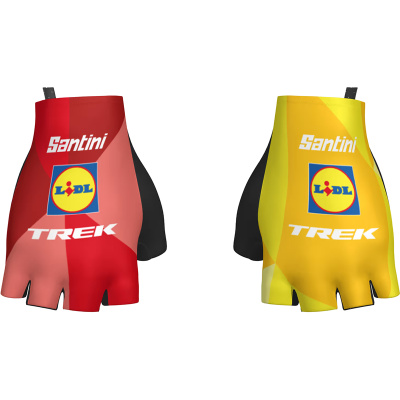
The range splits into two clear camps. Race-focused Trek cycling mitts keep padding minimal for raw bar feel and a barely-there fit that suits fast crits or sportives where you want connection over cushioning. The endurance models lean on inForm BioDynamic gel padding to soak up the kind of constant low-frequency buzz that long days in the saddle dish out. Both use AX Suede synthetic leather palms for grip and durability, paired with lightweight moisture-wicking mesh backs that keep air moving when you're grinding up a muggy summer climb. There's also an integrated thumb sweat-wipe - a small detail that earns its keep the moment a summer shower rolls in. Across the range, Trek cycling mitts balance breathability, protection, and fit without overcomplicating things.
Prices and availability can change quickly. Delivery charges are not always included in listed prices.
Final price, stock status and delivery terms are set by retailer. We may receive a commission on purchases made.
Fabric Tech and How It Handles UK Conditions
The AX Suede synthetic leather palm is the foundation of most Trek mitts. It's tougher than genuine suede, resists the scuffing that comes from repeated dabs and handlebar grip, and keeps its texture wash after wash. Grip stays consistent whether your palms are dry on a bright morning or damp halfway through a humid Surrey climb. That matters more than it sounds - a palm that goes slick when wet is next to useless.
Flip the mitt over and the back-of-hand construction is all about airflow. Lightweight moisture-wicking mesh panels move heat and sweat away rather than trapping it, which is exactly what you need when the air is thick and still on a July evening ride. UK summers are rarely scorching, but muggy humidity is its own problem, and a dense fabric back turns your hand into a radiator. The open mesh avoids that entirely.
The integrated thumb wipe is one of those details that sounds minor until you actually need it. Sweat dripping into your eyes on a long drag, or a light drizzle that's just enough to blur your vision - a quick swipe on the thumb sorts it without taking your hand off the bar. Worth having. The mesh back also dries quickly if you get caught in a shower, so you're not riding in soggy kit for the second half of a four-hour loop.
If you're coming from something like Castelli mitts, the AX Suede palm will feel familiar - both brands prioritise durability and grip in the palm construction. The difference tends to sit in the padding philosophy and fit shape, which we cover next.
The Trek Range and Getting the Fit Right
Trek's mitt range runs from stripped-back aero models to well-padded endurance options, and choosing between them comes down to how you ride and where. The race-focused mitts are lightly constructed - minimal padding, snug through the palm, and built for riders who want to feel every input from the bar. If you're doing a fast club run on a smooth sportive route or a criterium, the reduced bulk keeps your grip clean and precise. These aren't the mitts for a five-hour day on rougher roads.
The endurance-focused models are where inForm BioDynamic gel padding does its work. The padding is shaped and positioned to distribute pressure across the palm rather than concentrating it at the ulnar nerve - the nerve that runs along the outside edge of your hand and is the usual culprit for that deep, persistent numbness on long rides. The gel isn't just bulk; it's placed deliberately, and the difference on a chip-seal back road is noticeable. Think of it as the difference between a worn-out bar tape and a fresh layer of Trek bar tape - the underlying vibration is the same, but what reaches your hands is very different.
Fit should be snug without being restrictive. If the palm bunches up when you grip the bar, the mitt is too big - that bunching causes hot spots and blisters faster than you'd expect. Too tight and you'll restrict circulation, which defeats the point of the padding entirely. Trek's sizing runs consistently, so if you're between sizes, go smaller rather than larger. The pull-on construction - no wrist closure on some models - means there's no bulk at the back of the hand, which helps with a cleaner fit overall.
Getting the sizing right is also where the OverEasy pull-off tabs earn their keep. Removing sweaty mitts mid-ride or post-ride without the tabs is a fumbling, undignified experience. The tabs give you something to grip cleanly, even with tired hands. It's a small quality-of-life feature, but once you've used it you won't want mitts without it. For a different take on fit and padding, Giro mitts and Specialized mitts are worth comparing - all three brands approach ulnar nerve protection slightly differently, so it's worth trying each if you have the chance.
One thing to be clear on: this page covers short-finger mitts only. If you're looking for warmth and full-finger coverage for autumn rides or winter commutes, Trek's full gloves range is the right place to start - those are a separate category with different construction priorities.
Pairing your mitts with the right grips also changes how the whole system feels. If you're on flat bars, Trek grips are worth a look alongside your mitt choice - the two work together, and over-padding in both can actually reduce bar feel rather than improve it.
Keeping Them in Good Shape
Cycling mitts take a beating - sweat, sunscreen, road grime, the odd crash. A bit of basic care keeps them performing and stops the AX Suede palm from hardening up prematurely.
- Fasten any Velcro closures before washing. Loose Velcro in a washing machine will latch onto bib shorts, jersey fabrics, or anything else in the drum and cause real damage. Fasten it every time, without exception.
- Cool, gentle cycle only. Hot washes degrade the gel inserts over time and can cause the AX Suede to stiffen and crack. Thirty degrees on a delicate setting is plenty to shift sweat and grime.
- Air dry flat, away from direct heat. Tumble drying or hanging them directly over a radiator will shrink the fabric and stiffen the palm. Leave them somewhere with decent airflow and let them dry naturally - they'll hold their shape and stay soft.
Turn them inside out before washing to give the palm material a better clean, and if they develop a persistent smell, a soak in cool water with a small amount of sports detergent before the machine cycle usually sorts it. Don't use fabric softener - it clogs the moisture-wicking mesh and kills the breathability.
Trek Mitts FAQs
Are gel cycling mitts better for long rides?
For most riders on longer efforts, yes. Trek's inForm BioDynamic gel padding is specifically shaped to redistribute pressure away from the ulnar nerve - the main cause of hand numbness on extended rides. On rough UK roads especially, that targeted cushioning makes a genuine difference compared to unpadded or flat-foam alternatives.
How do I wash my Trek cycling mitts?
Fasten any Velcro before they go in - loose Velcro will shred your other kit. Wash on a cool, gentle cycle to protect the gel inserts and AX Suede palm, then air dry flat away from direct heat. Tumble drying or radiator drying stiffens the materials and shortens their life noticeably.
How should cycling mitts fit?
Snug enough that the palm sits flat against your hand with no bunching when you grip the bar - bunched material causes blisters fast. Not so tight that your fingers feel compressed or circulation is restricted. Trek's pull-on designs size consistently, and the OverEasy pull-off tabs make removal easy even when the fit is close.