
Syncros Messenger Bags
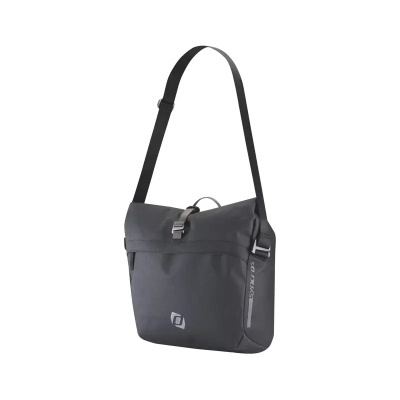
Syncros messenger bags are built for riders who need their kit to work as hard on the bike as it does off it - no high-street shoulder bags swinging into your front wheel, no soaked laptops, no load creeping round to your chest mid-sprint through city traffic. Syncros approaches urban carrying with the same technical rigour it applies to its componentry: the bags use a 3-point ergonomic harness with an under-arm stabilizer strap that pins the load to your mid-back, keeping it planted however aggressively you're threading through junctions.
The fabrics are high-denier and PU-coated, so road spray and UK drizzle don't turn your bag into a sponge. Covered zippers and non-porous base panels deal with the grit and standing water you'll find on every wet commute from October through to April. There's a suspended internal laptop sleeve too, engineered to absorb ground-impact shock - which matters more than you'd think when you're locking up in a hurry and the bag clips the floor.
Whether you're carrying a 15-inch work laptop, a heavy D-lock, and a change of clothes, or just running a slim daily kit, Syncros has a bag sized for the job. Reflective detailing keeps you visible on those dark winter mornings when the sun barely makes it above the roofline.
Prices and availability can change quickly. Delivery charges are not always included in listed prices.
Final price, stock status and delivery terms are set by retailer. We may receive a commission on purchases made.
Getting the Fit Right: Strap Systems and Internal Sizing
A messenger bag is only as good as how it sits on your back, and this is where Syncros separates itself from generic courier-style bags. The 3-point harness system pairs a wide main shoulder strap with an under-arm stabilizer strap - tighten the stabilizer and the bag stops its characteristic drift toward your front. That drift is what makes poorly fitted messenger bags genuinely dangerous on a bike; it throws your weight forward and blocks your shoulder check. With the cam-lock buckles properly cinched, the load stays centred on your mid-back even through sharp cornering or out-of-saddle efforts.
To set it up correctly: sling the main strap across your chest onto the opposite shoulder, pull it until the bag sits high - roughly between your shoulder blades - then clip and tighten the stabilizer until there's no lateral movement. Loosen the main strap slightly if you feel it cutting into your neck. It takes two minutes to dial in the first time, then you're set. The quick-release buckle means you can pull it off and onto the top tube without fiddling, which matters when you're locking up in the rain.
On internal compatibility, most Syncros messenger bag models offer either a 13-inch or 15-inch dedicated laptop sleeve. The sleeve is suspended from the bag's internal frame rather than sitting against the base panel, which is the key detail - if you put the bag down sharply on a kerb, the electronics don't take the direct hit. Check the listed internal dimensions before buying if you're running a larger work machine, as the 13-inch sleeve won't comfortably take a 14-inch laptop even if the overall bag volume looks generous.
If you'd rather keep weight off your back entirely and let the bike carry it, that's a legitimate call - especially on longer commutes or if you're running with a heavier load. Syncros pannier bags are the cleaner solution for rack-equipped bikes, while Syncros frame bags keep weight low and centred without touching the rider at all. For lighter loads, Syncros saddle bags free your back up completely.
Picking the Right Bag: Lightweight Commuter vs. Heavy-Duty Courier
Syncros runs two broad tiers in their messenger bag lineup, and the difference between them isn't just volume - it's the whole character of the bag. The lighter commuter-focused models are trimmer, use a thinner back panel, and are aimed squarely at daily riders carrying essentials: laptop, lock, a few bits. They're quick to move in, easy to sling off at the office, and they don't feel like you're wearing body armour on a warm September morning.
Step up to the courier-style bags and you're getting meaningfully thicker back-panel padding (your spine will notice on a longer ride), heavier-denier shell fabric, and in the top-tier options, welded seams rather than stitched ones. Welded seams are the real waterproofing upgrade - stitched seams, however tightly sewn, allow water ingress in sustained rain in a way welded seams simply don't. You also get upgraded magnetic buckles on some models in place of standard clips, which sounds minor until you're trying to get into the bag one-handed at traffic lights.
The honest trade-off: the heavier-duty bags add weight you'll feel on your back, and they're bulkier when you're walking around off the bike. If your commute is under half an hour and you're not regularly carrying more than a laptop and a lock, the lighter tier is the smarter pick. If you're covering serious distance daily or carrying kit for a full working week, the extra structure and weather protection of the courier models earns its weight.
Compared to similarly priced options from Chrome or Ortlieb, Syncros positions itself with stronger bike-specific ergonomics baked into the design from the start, rather than adapting a general bag for cycling use. Apidura takes a more minimalist approach if you're looking for something pared right back.
Keeping Your Bag Going Through a UK Winter
PU-coated fabric is tough, but it isn't indestructible - and the way you clean it makes a real difference to how long the water-repellent finish lasts. Road grit and salt are the main culprits on UK commutes, particularly from November onwards, and they'll work into the fabric weave if you leave them. After a wet ride, wipe the bag down with a damp cloth - warm water, nothing else. Avoid detergents, even mild ones; they strip the DWR (durable water repellent) treatment that sits on top of the PU coating, and once that's gone, the fabric wets out faster.
If the bag starts absorbing light rain rather than beading it off, the DWR has worn down. A quick spray with a proprietary DWR re-proofer (Nikwax or similar) and a low-heat tumble or hand-warm with a hairdryer will revive it. Do this once or twice a season on a heavily used commuter bag and the PU coating stays effective far longer.
The cam-lock buckles on the shoulder strap and stabilizer are worth checking periodically too. Grit ingress into the mechanism is what causes quick-release buckles to jam or release unpredictably, which is the last thing you want when you're trying to ditch the bag in a hurry. A rinse with clean water after muddy or heavily salted rides keeps the moving parts clear. The reflective detailing - usually applied as panel strips or piping - doesn't need special care, but avoid abrasive cloths on those sections or you'll dull the reflectivity over time.
Store the bag open or loosely packed between uses rather than compressed flat; it keeps the back panel from deforming and maintains the shape of the laptop sleeve over the long term.
Syncros Messenger Bags FAQs
Are messenger bags good for cycling?
Yes, provided they're designed for it. Cycling-specific messenger bags like Syncros models use stabilizer straps that stop the bag swinging forward while you ride - a problem that makes generic shoulder bags genuinely hazardous on a bike. They also allow quick access to your kit without fully removing the bag, which is handy at lights or when locking up.
How do you wear a cycling messenger bag?
Sling the main strap diagonally across your chest so it rests on the opposite shoulder, then pull it tight until the bag sits high on your mid-back around shoulder-blade height. Clip and tighten the under-arm stabilizer strap - this is the step most people skip, and it's what actually stops the load shifting when you're pedalling hard or cornering.
Are Syncros messenger bags fully waterproof?
Most are highly water-resistant rather than fully waterproof. The high-denier PU-coated fabrics and weather-resistant zippers handle typical UK showers without issue. For sustained heavy rain, look for models with welded rather than stitched seams - those offer proper waterproofing. If you're regularly riding through downpours, check the spec of the specific model before buying.