
Specialized Knee Warmers
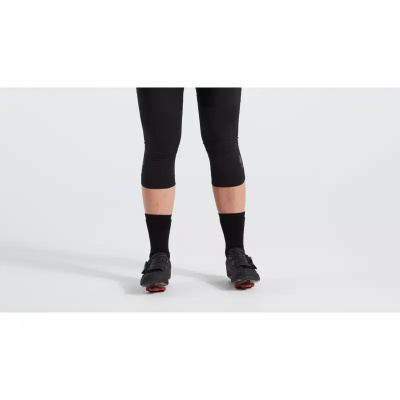
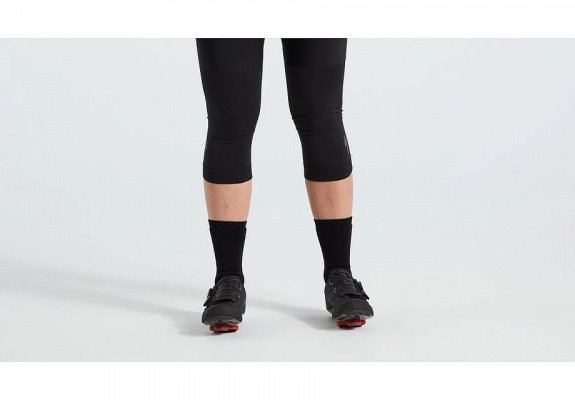
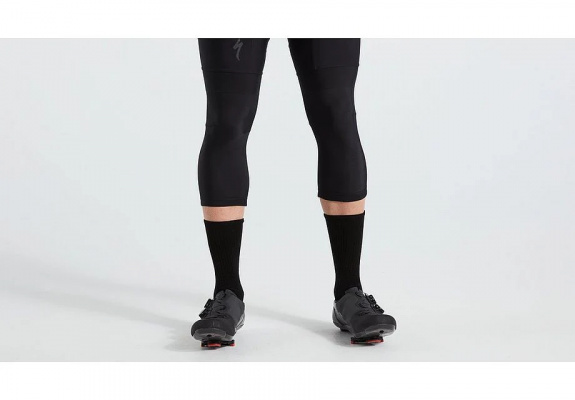
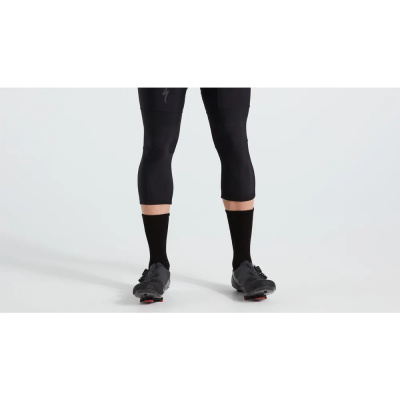
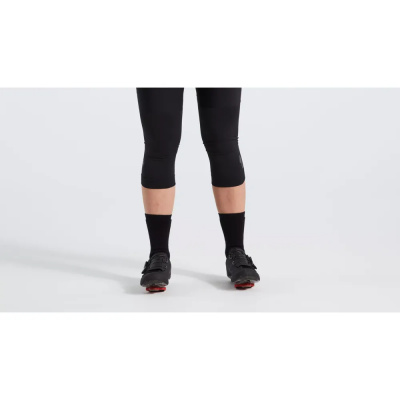
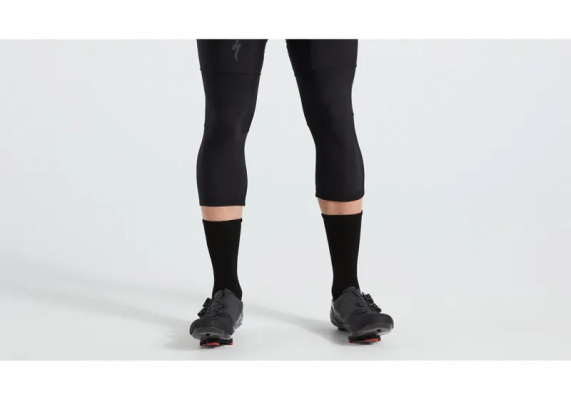
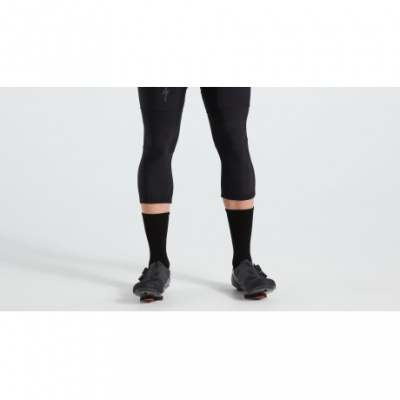
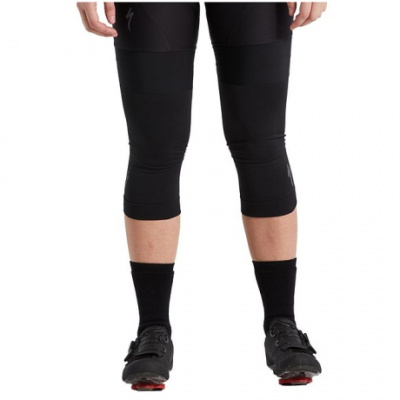
Specialized knee warmers are one of those pieces of kit you'll wonder how you ever managed without - particularly once the clocks change and British mornings start biting back. They let you run your favourite summer bib shorts well into October (and again from March) without committing to full leg warmers when the afternoon might turn out warmer than the forecast suggested.
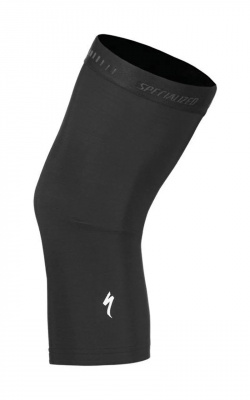
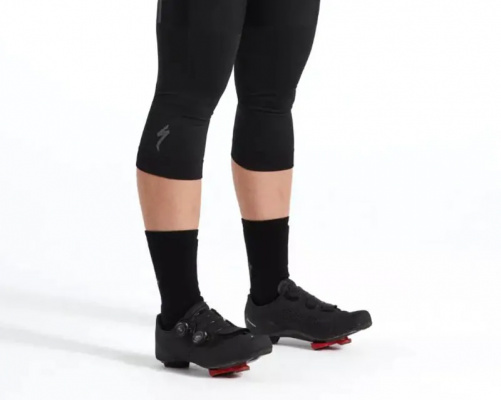
The range is built around Specialized's Therminal™ fleece, which traps heat close to the knee joint - the bit that really suffers on a cold descent - while actively pulling moisture away from your skin when the road tilts upward. Seamless construction options mean there's nothing to rub on longer efforts, and fold-over silicone grippers keep everything exactly where you put it, however aggressive your pedalling gets.
Critically, they're packable enough to stuff into a jersey pocket when the sun breaks through. That's the real selling point for UK riding: you're rarely dealing with one consistent temperature for a full four-hour ride. Specialized's articulated, pre-curved design means they work with your pedal stroke rather than fighting it, so there's no bunching behind the knee when you're grinding up a long drag.
Prices and availability can change quickly. Delivery charges are not always included in listed prices.
Final price, stock status and delivery terms are set by retailer. We may receive a commission on purchases made.
What the Therminal Fabric Actually Does
Specialized's Therminal™ insulating fleece is the core technology across the range. Think of it as a fine-brushed interior that traps a thin layer of warm air against your knee without adding the kind of bulk that makes your legs feel like they're wrapped in a sleeping bag. On a cold, exposed descent - the sort you get dropping off the North York Moors or bombing down into a Welsh valley - that wind-blocking quality makes a noticeable difference to how long your knees stay comfortable.
Where it earns its keep on UK rides is the two-way performance. The fleece isn't just insulating; it's moisture-wicking, which matters a lot when you're pushing up a punchy climb on a damp September morning. Overheating is a real issue with cheaper warmers that trap sweat and leave you clammy. Therminal fabric moves that moisture out before it becomes a problem, keeping you dry on the way up and warm on the way down. It's a fabric that suits the shoulder season properly - not just cold-dry days, but the humid, grey, changeable stuff that defines most of the British cycling calendar.
Breathability also means you can leave them on longer into a ride without needing to strip them off. That matters if you're riding somewhere remote and pocketing them mid-route isn't straightforward.
Standard Thermal vs Seamless: Which Fits Your Riding?
Specialized offers two main construction approaches, and the difference is worth understanding before you buy. The standard Thermal knee warmers use traditional panelled construction with flatlock seams - well-finished and comfortable for most riders across most ride lengths. If you're doing club runs, sportives, or anything up to a few hours, they're absolutely fine.
The Seamless options are where things get more refined. Knitted as a single piece, they eliminate the seams entirely, which removes any potential for irritation on longer days in the saddle. If you're prone to hot spots or you're doing extended autumn audax-style riding, seamless construction is worth the step up. There's less to go wrong, and the fit tends to feel more like a second skin rather than a separate garment.
Both versions use an articulated, pre-curved design - meaning the warmer is shaped at rest to match the bent position your knee holds while pedalling. This is more important than it sounds. A flat-cut warmer pulls tight at the back of the knee and loosens at the front as you pedal, which creates drag and discomfort. The pre-curved cut sits neutral throughout the stroke. If you've ever had warmers that feel like they're fighting you on a long climb, this is usually why.
Fit-wise, go true to your bib shorts sizing. These aren't a category where sizing up for comfort works - the silicone grippers need to sit snugly to do their job, and excess fabric below the knee just bunches. Check Specialized's size guide and, if you're between sizes, size down rather than up.
Do Knee Warmers Go Over or Under Bib Shorts?
Always under. The bib short leg sits over the top of the knee warmer - this keeps the gripper in place and stops cold air finding a gap at the top. It also looks neater, for what it's worth. Pull the warmer up to mid-thigh, smooth out any wrinkles, then pull your bib leg down over it. The silicone gripper on Specialized's warmers folds over at the top, which doubles the grip surface and stops them creeping down even on longer rides. It's a small detail that makes a genuine difference by the third hour.
Temperature Range and When to Reach for Them
As a working guide, knee warmers make sense roughly between 10°C and 16°C - that broad shoulder season window where full leg warmers feel excessive but bare legs leave you regretting it by the first descent. Below about 8°C, most riders find Specialized leg warmers or bib tights are a better call, since knee warmers leave the lower leg exposed and calves get cold faster than people expect.
In practice for UK riding, that means knee warmers are your April, May, September, and October staple - mornings where you might start at 9°C and finish at 14°C, and you need something you can pocket rather than commit to for the full ride. Specialized's Therminal warmers are light enough that stowing them in a jersey pocket mid-ride is genuinely realistic rather than theoretical. That packability is what makes them a more versatile proposition than a heavier thermal piece.
On particularly blustery days - the sort of headwind riding you get along the Yorkshire coast or the exposed Cambridgeshire fens - the wind-blocking properties of Therminal fabric let you push the lower temperature boundary a bit further than you'd expect from the weight of the garment.
How Specialized Stacks Up Against the Alternatives
Specialized sit in a competitive part of the market. Castelli knee warmers are a frequent comparison - Italian-made, with their own Thermoflex fabrics, and similarly well-regarded for fit. Castelli tend to run slightly slimmer through the leg, so if you've found their bib shorts cut works for you, their warmers likely will too. dhb knee warmers offer a credible budget-friendly alternative with decent thermal performance, though the construction and gripper quality don't quite match Specialized at the higher end of the range.
What Specialized do well is consistency between their warmers and their bib shorts fit - if you're already riding in Specialized bib shorts, the warmers are designed to work with that same cut, which removes some of the guesswork around compatibility. Pair them with Specialized arm warmers and you've got a layering system that works off the same sizing logic throughout.
For riders who also want to protect the lower leg on colder days, it's worth looking at Specialized overshoes alongside knee warmers - combining both covers the two areas that lose heat fastest on a cold British descent without committing to a full winter outfit.
Specialized Knee Warmers FAQs
Do knee warmers go over or under bib shorts?
Under, always. You pull the knee warmer up first, then bring the bib short leg down over the top of it. This keeps the silicone gripper in place, seals the gap at the top against cold air, and stops the warmer working its way down during the ride. Specialized's fold-over gripper design helps significantly here.
What temperature are cycling knee warmers good for?
Most riders find knee warmers useful between roughly 10°C and 16°C - the shoulder season range where full leg warmers are overkill but bare legs leave you cold on descents. Below about 8°C, full leg warmers or bib tights are a better option, since knee warmers leave the lower leg exposed.
How should Specialized knee warmers fit?
Snug, without restricting circulation. The silicone gripper needs firm contact with your leg to stay in place, so don't size up hoping for comfort - it just creates bunching. Use Specialized's size guide and, if you're between sizes, go down rather than up. There should be no excess fabric gathering behind the knee when your leg is bent.
Are Specialized seamless knee warmers worth the extra cost?
For shorter rides and club runs, the standard Thermal warmers are genuinely hard to fault. The seamless versions pay off on longer efforts - audax rides, big sportive days - where eliminating seams removes the only real source of irritation over several hours. If chafing has been an issue with other warmers, seamless construction is worth prioritising.
Can I pack Specialized knee warmers into a jersey pocket mid-ride?
Yes, and that's one of their most practical qualities. Specialized's Therminal warmers are light and compact enough to roll up and fit into a standard rear jersey pocket when the temperature climbs during a ride. It's not quite as tidy as a lightweight gilet, but it's manageable - and far better than suffering through an overheating second half.