
Salewa Gilets
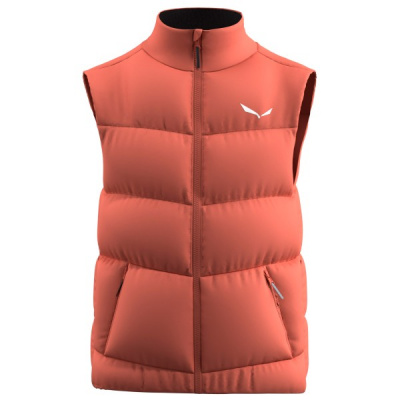
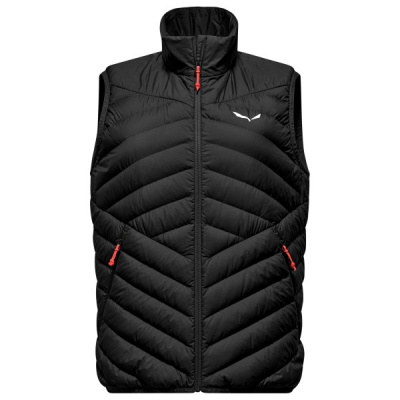
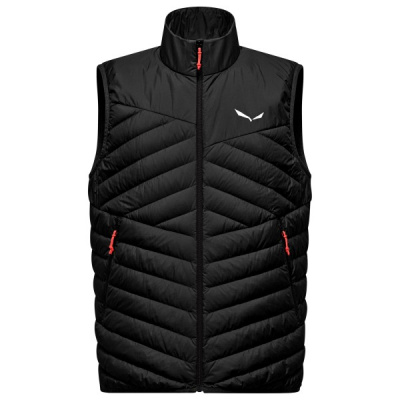
Salewa gilets have earned their place in the pockets of riders who know that a chilly descent or a bitter headwind can materialise out of nowhere on a British ride. Born from decades of alpine engineering in the Dolomites, Salewa brings genuine technical credibility to cycling layering - and these aren't just repurposed hiking vests dressed up for the road. The windproof front panels do real work against icy gusts, while the breathable, moisture-wicking rear construction means you won't be wringing yourself out at the top of a climb. Durastretch fabrics give you four-way movement without the gilet riding up or pulling across the shoulders, and the PFC-free DWR coating handles the light drizzle and road spray that's part of everyday UK riding life. The insulated models bring TirolWool® Responsive into the mix for serious cold-weather core warmth without the bulk of a full jacket. Most pack down small enough to stuff into a jersey back pocket before a long drag, and pull back out when the temperature drops on the other side. If you want protection that travels light and earns its place on every ride, a Salewa gilet is a genuinely practical choice.
Prices and availability can change quickly. Delivery charges are not always included in listed prices.
Final price, stock status and delivery terms are set by retailer. We may receive a commission on purchases made.
Fabric Tech & Weather Performance
The front panel is where a gilet earns its keep. Salewa's wind-resistant construction blocks the kind of cold airflow that hits you hard on a long exposed descent - think the top of a Pennine moor road or a fast run off a Welsh ridge. That windproof shell across the chest and shoulders is paired with a breathable back section, often using laser-cut or mesh detailing, so you're not trapping heat and sweat during the climb that precedes it. It's a body-mapped approach: different fabrics doing different jobs, rather than one compromise fabric doing nothing particularly well.
The PFC-free DWR coating is worth understanding clearly. It's a Durable Water Repellent finish applied to the outer face of the fabric, causing light rain and road spray to bead and roll off rather than soak in and chill you. This isn't waterproofing - water will eventually work through in sustained heavy rain - but for the persistent drizzle and damp air that defines so much of UK riding, it's more than adequate. The PFC-free formulation matters too; older DWR chemistries used fluorocarbons that were persistent pollutants, and Salewa have moved away from that across their range.
Where Salewa's insulated gilets step things up is with TirolWool® Responsive - a blend that combines the natural thermo-regulating properties of Merino-style wool with synthetic performance fibres. In practice, that means the insulation actively responds to your body temperature, dampening down when you're working hard and retaining warmth when you're not. For winter riding where effort levels swing dramatically between climbs and flat sections, that's a more intelligent solution than static synthetic fill. Compared with something like an Endura gilet that leans purely on windproof membranes, the TirolWool models add genuine insulation depth for genuinely cold days.
The Durastretch fabric used across much of the range deserves a mention too. Four-way stretch with genuine abrasion resistance is a harder combination to achieve than it sounds - stretch fabrics often sacrifice durability, and tough fabrics often fight your movement. Durastretch manages both, which means the gilet moves with you rather than against you when you're pushing hard over the bars on a gravel stretch or reaching forward on a road bike.
Understanding the Salewa Fit and Range
Salewa's Athletic Fit is cut close to the body - minimal material to flap in a crosswind, no bunching under a pack strap, and a silhouette that sits cleanly over a road or gravel jersey. If you're riding at pace and want the gilet to disappear into your kit rather than announce itself, this is the cut to go for. It's what you'd want for fast group rides on exposed roads or mixed-surface gravel routes where wind resistance and freedom of movement both matter.
The Regular Fit gives you a bit more room - enough to layer over a heavier winter jersey or a casual sweatshirt for commuting or more relaxed trail riding. It's also the more practical choice if you want the gilet to double as a casual layer off the bike. Neither fit is wrong; they just suit different use cases, so think about what you're predominantly doing before you choose.
On sizing: Salewa's Athletic Fit runs true to size for most riders wearing a standard cycling base layer or short-sleeve jersey underneath. If you're planning to wear the gilet over a thick fleece-backed winter jersey, go a size up. The fit is designed to be snug, and there isn't much excess to play with. If you're between sizes and tend to layer heavily through October to February, size up and use the Athletic Fit's cinched hem and cuffs to keep the wind out. Riders who've tried Castelli gilets will find the Salewa Athletic Fit lands in a similar territory - performance-oriented, body-close, no wasted material.
Layering and Care for UK Riding
A gilet lives or dies by its versatility, and Salewa's packable shell construction makes it genuinely useful across a wide chunk of the calendar. In spring, it works over a short-sleeve jersey when the mornings are still biting but you know you'll warm up by mid-ride - stuff it in your back pocket once you're moving and forget about it. In autumn, layer it over a long-sleeve base and under a softshell for the kind of damp, eight-degrees-and-grey days that make up a lot of riding in the UK between September and November.
When the weather turns properly foul - sustained rain, low single-digit temperatures - the gilet works best as a mid-layer rather than an outer. Pull a waterproof shell over the top, and the gilet's breathable back panel helps manage moisture build-up between the layers. This is where the TirolWool insulated models earn their place: they add warmth without the thickness that makes layering under a jacket feel restricting. If you're regularly riding in those conditions, it's worth comparing against something like an Altura gilet that's built specifically around British winter commuting - both approaches have merit, and the right choice depends on how much of your riding is sustained hard effort versus stop-start urban miles.
Care is straightforward but worth doing properly. Wash at 30°C using a technical apparel wash - nothing with fabric softener, which clogs the breathable pores and kills the DWR performance over time. After washing, tumble dry on a low heat setting for around 15 minutes. The gentle heat reactivates the DWR finish, restoring the beading performance that makes the coating useful. Skip that step regularly and you'll notice the fabric starting to wet out rather than repel. It takes about two minutes of actual effort and meaningfully extends the life of the coating. Riders who've previously used 7mesh gilets will be familiar with the same care routine - it's standard practice for any DWR-treated technical layer.
Salewa Gilets FAQs
Are Salewa gilets true to size for cycling?
In the Athletic Fit, yes - they run true to size when worn over a standard cycling jersey or base layer. If you're planning to layer over a thick winter jersey, go a size up. The fit is intentionally close, so there's not much room to absorb extra bulk underneath.
Are Salewa gilets waterproof or just windproof?
Windproof, with a PFC-free DWR coating that handles light drizzle and road spray well. They're not waterproof - breathability and packability take priority over full waterproofing. For sustained heavy rain, you'd want a waterproof shell over the top rather than relying on the gilet alone.
How do you wash a Salewa gilet to maintain its DWR coating?
Wash at 30°C with a technical gear wash and no fabric softener - softeners block the breathable pores and degrade the DWR over time. After washing, tumble dry on low heat for around 15 minutes. That gentle heat step reactivates the DWR finish and keeps water beading properly.