
Pinned Gps Computers
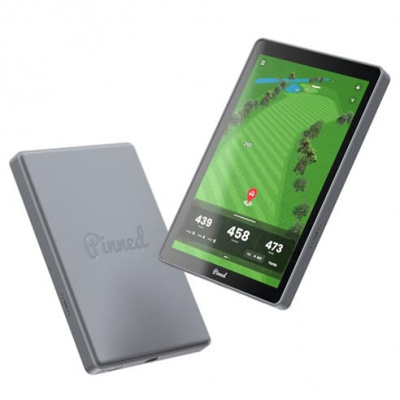
Pinned GPS Computers bring crisp, reliable data to your bars without demanding a engineering degree to set them up. Whether you're threading a new gravel route across the Dales or holding a wheel on your local chain gang, these head units deliver multi-band GNSS accuracy that holds its lock even when the lane narrows and the canopy closes overhead. Connectivity is dual-protocol - ANT+ and Bluetooth/BLE side by side - so your power meter, heart rate strap, and smart trainer all talk to the device without drama.
For UK riders, the practical details matter as much as the headline specs. Pinned units carry IPX7 water resistance, which means a January washout on the A-roads or a soaking on the South Downs bridleways isn't a cause for panic. The high-contrast displays are tuned for the kind of flat, grey British light that makes lesser screens all but unreadable. Auto-sync to Strava, TrainingPeaks, and Komoot keeps your data moving the moment you're back in signal range. Scroll through the range below and find the model that fits how you ride.
Prices and availability can change quickly. Delivery charges are not always included in listed prices.
Final price, stock status and delivery terms are set by retailer. We may receive a commission on purchases made.
Connectivity and the App Ecosystem
The backbone of any modern GPS computer is how well it talks to everything else on your bike - and Pinned handles this through simultaneous dual ANT+ and Bluetooth/BLE protocols. That dual-channel approach means you're not forced to choose between a legacy ANT+ power meter and a newer BLE heart rate monitor. Run both at once. Pair a Pinned accessory or a third-party sensor and the handshake is quick, the dropout rate low.
Third-party platform integration is where day-to-day usability lives, though. Pinned's companion app connects the device to Strava, TrainingPeaks, and Komoot without you having to manually export files. Strava Live Segments push to the screen mid-ride, so you know exactly where you sit on a local KOM effort without fumbling with your phone at a gate. Komoot route transfer is straightforward - build the route on your laptop, push it to the device over Wi-Fi or Bluetooth, and the turn-by-turn navigation is loaded before you've finished your coffee. If you're comparing the ecosystem depth here against something like Garmin GPS computers or Wahoo GPS computers, the honest answer is that those brands have longer-established app marketplaces - but Pinned's core integrations cover the platforms most UK riders actually use daily.
Battery Life in the Real World
Manufacturer battery figures are always measured under ideal conditions - steady temperature, single-band GPS, minimal sensor load. Real riding looks nothing like that. With multi-band GNSS active, turn-by-turn navigation running, and a couple of ANT+ sensors in the mix, you'll trim the quoted runtime noticeably. Plan for roughly 15 - 20 hours under normal conditions; treat anything above that as a bonus.
Cold weather is the factor most riders underestimate. Lithium-ion cells lose capacity as the mercury drops, and UK winter riding - think sub-five-degree mornings in the Peak District or a damp February sportive in the Chilterns - will accelerate drain faster than the spec sheet suggests. On long winter rides, starting with a full charge is non-negotiable, and USB-C fast charging means a short top-up while you're sorting kit doesn't require planning the evening around it. Screen brightness also pulls current; dialling it back one or two notches on overcast days costs you nothing perceptible in readability and buys back meaningful runtime. The display itself handles flat British light well - contrast is high enough that you're not squinting through a grey veil to catch your power numbers mid-effort. Compare the approach to Hammerhead GPS computers if large-screen mapping is a priority, though Pinned's more compact form factor keeps bar clutter minimal and weight honest.
Getting It Set Up and Keeping It Dry
Out of the box, the first thing worth doing is a firmware update before you ever roll out the door. Connect via Wi-Fi or Bluetooth through the companion app, let it pull the latest build, and you're starting with the most stable software available. It takes ten minutes and sidesteps a surprising number of the pairing issues that new owners report.
Mounting uses a standard quarter-turn out-front system, compatible with most aftermarket bar mounts already on the market. Fit the tether. It's a small loop of rubber or cord that clips the unit to the mount and saves it from a tarmac burial if you clip a pothole or take a tumble - don't skip it because it looks fiddly. The out-front position keeps the screen in your natural sightline and frees up the stem for a cleaner cockpit.
IPX7 waterproofing covers the unit against submersion to one metre for thirty minutes, so road spray, puddle water, and prolonged rain are well within its tolerance. The single point of vulnerability is the USB-C charging port. That rubber cover needs to be pressed firmly shut before you leave the car park - a loose or partially seated cover lets water track in along the cable recess, and repeated ingress will eventually cause corrosion. Check it every time, especially after charging. It takes two seconds. On longer wet rides in Scotland or Wales, it's worth a quick confirm at café stops too. For rides where you want to carry extra gear, pairing the computer with Pinned's outdoor equipment range gives you compatible mounting and storage options designed around the same system.
Pinned bike computer setup is genuinely quick for most riders - pair your sensors in the app, authorise your third-party platforms, load a route, and you're ready. The menu structure is logical rather than deep, which suits riders who want the data without spending an evening in settings screens. If you're coming from a device with a steeper configuration curve, the relative simplicity here will feel like a relief rather than a limitation.
Pinned Gps Computers FAQs
How do I sync my Pinned GPS computer to Strava?
Open the Pinned companion app on your phone, connect to the device via Bluetooth, then head into the integration settings and authorise your Strava account. After that it's automatic - save a ride on the unit, and once the device reconnects to your phone it pushes the activity straight to Strava without any manual export.
What is the real-world battery life of a Pinned GPS?
Expect 15 - 20 hours of continuous use under typical riding conditions. That figure drops when you're running multi-band GNSS, active turn-by-turn navigation, and multiple ANT+ or BLE sensors simultaneously. Cold UK winter temperatures also reduce lithium-ion output noticeably, so starting fully charged on long winter rides is sensible rather than optional.
Are Pinned bike computers fully waterproof?
Pinned GPS computers carry an IPX7 rating, covering submersion to one metre for up to thirty minutes - more than enough for British rain and constant road spray. The one thing to check every time is the rubber USB-C port cover; make sure it's firmly seated before riding in wet conditions to prevent water ingress at the charging point.