
Fjallraven Gilets
Fjallraven gilets aren't cut from the same cloth as your typical race-day kit, and that's precisely why they've become essential for gravel riders, bikepackers and touring cyclists who need gear that works as hard off the saddle as on it. Built around the brand's signature G-1000 Eco fabric - a tightly woven blend of polyester and cotton - these vests shrug off brambles on Ridgeway singletrack and block wind on exposed fenland roads without the crinkly rustle of conventional shells. The Fjallraven Down Promise guarantees every feather is ethically sourced and fully traceable, a detail that matters when you're investing in a garment designed to last seasons, not months. Whether you're after a mens Fjallraven bodywarmer for pre-dawn starts or a womens G-1000 gilet that transitions seamlessly from saddle to café, the real trick lies in Greenland Wax impregnation: rub it in yourself to dial up weather resistance for wet commutes, or leave the fabric breathable for summer tours. Think of them as the camp-and-ride layer that bridges the gap between technical cycling kit and durable outdoor wear.
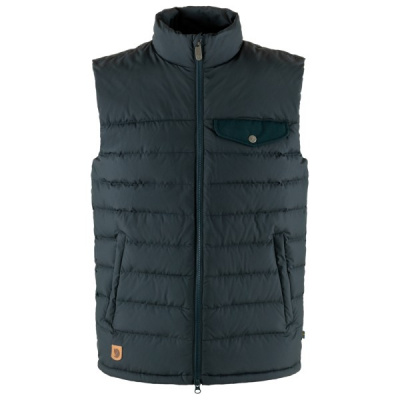
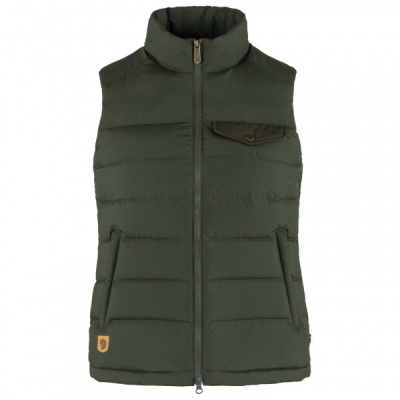
Prices and availability can change quickly. Delivery charges are not always included in listed prices.
Final price, stock status and delivery terms are set by retailer. We may receive a commission on purchases made.
Engineering Durability: G-1000 and Weatherproofing
G-1000 fabric doesn't behave like the polyester or nylon you'll find in most cycling gilets. The weave is dense, almost canvas-like, with a 65/35 polyester-cotton split that gives it genuine abrasion resistance - handy when you're squeezing past gorse on Exmoor bridleways or leaning your bike against rough stone walls. It's not stretchy. It won't hug your torso like a Castelli gilet, but that's the trade-off for a fabric that won't snag or tear when you're wrestling kit out of a frame bag.
The real versatility comes from Greenland Wax, a beeswax and paraffin blend you apply yourself. Rub it into the fabric, warm it with a hairdryer or iron, and you've just transformed a water-resistant vest into something that'll shed drizzle on a Lake District loop. Need more breathability for a hot July ride through the Cotswolds? Skip the wax. This customisable approach to hydrophobic properties means you're not locked into a single-use garment. Are Fjallraven gilets waterproof? Not out of the box - they're water-resistant - but a few coats of wax will get you close enough for most UK conditions short of a downpour.
G-1000 also comes in Lite and Air variants for warmer months, though the Eco version (made from recycled polyester and organic cotton) is the most common in the gilet lineup. All are PFC-free, so you're not trading weather protection for environmental harm.
Layering for Gravel and Bikepacking
Fjallraven gilets sit somewhere between a cycling vest and a hiking bodywarmer, which makes them brilliant for riders who don't spend the entire day in the drops. The cut is boxier than race-fit gear - think relaxed through the shoulders and chest - so you can layer a merino base and a flannel shirt underneath without feeling like a sausage. That extra room also means you can wear it over a thicker mid-layer when temperatures drop, or throw it on at camp after a long day on the South Downs Way.
For gravel and bikepacking, this fit works. You're not chasing aero gains; you want something that won't restrict movement when you're shouldering your bike over a stile or reaching back to adjust a saddlebag. The lack of a tight race cut also means pockets - if the model has them - are actually usable, unlike the token offerings on some road-specific gilets. Compare that to the more tailored approach of 7mesh gilets, which prioritise on-bike ergonomics, and you'll see the difference immediately.
As a layering piece, a Fjallraven cycling vest functions best as a robust outer shell in dry cold, or as a mid-layer under a proper waterproof when the weather turns. Pair it with a packable rain jacket for unpredictable Scottish Highlands rides, or wear it solo over a long-sleeve jersey for crisp autumn mornings in the Chilterns. The thermal regulation isn't as precise as a dedicated cycling gilet with mesh panels and dropped hems, but the durability and versatility more than compensate.
Insulation Guide: Down vs. Synthetic
Fjallraven offers both down and synthetic insulation across its gilet range, and the choice matters more than you might think. The Fjallraven expedition down lite vest uses ethically sourced down with a high fill power, delivering exceptional warmth-to-weight ratio. It packs small, stuffs into a pannier easily, and provides serious insulation when you're stationary - perfect for evening stops at bothies or waiting for mates at a trailhead car park. But down has a weakness: get it wet, and it clumps, losing most of its thermal efficiency. Fine for dry cold snaps in the Cairngorms; less ideal for a typical drizzly February commute through Manchester.
That's where G-Loft Supreme synthetic insulation earns its keep. It's bulkier and slightly heavier than down, but it retains warmth even when damp - a non-negotiable trait for UK riding conditions where you might start dry and finish soaked. G-Loft also dries faster, so if you're touring multi-day and can't guarantee a tumble dryer, synthetic makes more sense. How do you wash a Fjallraven down vest? Use a gentle 40°C cycle with specialist down detergent, then tumble dry on low with tennis balls to break up clumps and restore loft. Synthetic versions are more forgiving - standard tech wash, line dry, done.
For most riders splitting time between gravel rides and everyday use, a synthetic gilet offers better year-round practicality. Save the down for alpine tours or winter wild camping when weight and packability trump all else. And if you're curious about other durable options, Cotopaxi gilets offer a similar sustainable ethos with vibrant colourways, though they lean more casual than Fjallraven's Scandi restraint.
Swedish Roots, Global Conscience
Fjallraven started life in 1960 designing packs for Swedish wilderness treks, and that heritage still shapes every gilet they make. The focus has always been on durable, repairable gear rather than disposable fast fashion. Does Fjallraven use ethical down? Absolutely - the Fjallraven Down Promise ensures 100% traceability, with down sourced as a byproduct of the food industry and zero tolerance for live-plucking or force-feeding. It's a standard that puts most outdoor brands to shame.
Sustainability extends beyond down. G-1000 Eco fabric incorporates recycled polyester and organic cotton, and the brand has phased out PFC-based treatments in favour of wax impregnation. That's a tangible commitment, not greenwashing. For environmentally conscious cyclists who want sustainable outdoor vests that don't compromise on performance, Fjallraven delivers without the usual eco-premium guilt trip. Filson gilets share a similar buy-it-for-life philosophy, though their waxed cotton leans heavier and more workwear-inspired.
The Swedish design language - muted earth tones, minimal branding, clean lines - also means these gilets don't scream 'cyclist' when you're off the bike. Wear one to the pub after a muddy Quantocks ride and you'll blend in perfectly. That versatility is rare in cycling kit, where most gear looks out of place the moment you step off the pedals. If you're after something with a bit more road-specific refinement, Endura gilets offer closer-cut options with better on-bike ergonomics, but you'll sacrifice the all-day, all-context wearability that makes Fjallraven so appealing.