
Chapeau Gilets
Chapeau gilets are built around a simple truth: British weather doesn't commit, so your kit shouldn't have to either. A cold snap on the descent, a headwind that appears from nowhere, a light shower that turns the lane into a greasy mess - a good gilet handles all of it without adding bulk to your back pocket or weight to your conscience.
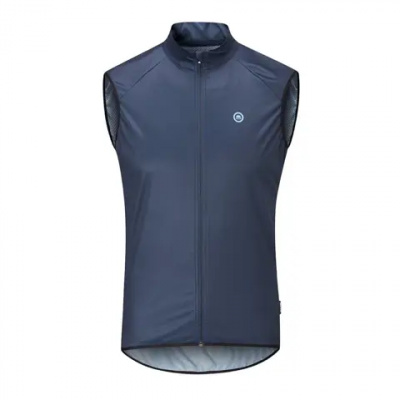
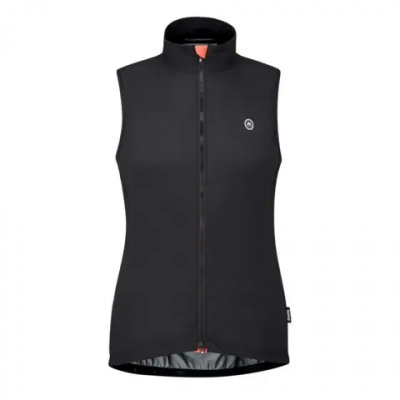
What makes Chapeau's approach work is the dual-fabric construction. Windproof, DWR-treated front panels take the brunt of windchill and road spray, while breathable mesh rear panels stop you overheating on the climbs. The two-way YKK zips let you vent or pack away without stopping to undress. It's a layering tool, not a fashion statement - though Chapeau's understated, classic styling means you won't look like a bin bag on the bike.
The range splits broadly into the race-cut Etape line and the more relaxed Club cut, so whether you're chasing segments or just getting the miles in before work, there's a fit that makes sense. Pair one with a Chapeau jersey and you've got a layering system that covers most of the UK calendar without a second thought.
Prices and availability can change quickly. Delivery charges are not always included in listed prices.
Final price, stock status and delivery terms are set by retailer. We may receive a commission on purchases made.
Fabric Tech and Weather Performance
The front-to-back split in Chapeau gilets isn't a stylistic choice - it's the whole point. The windproof front panels block the windchill that hits you hardest on open roads and fast descents, where a thin jersey alone leaves your core working overtime to compensate. Combined with a DWR coating, the front fabric sheds light showers and road spray well enough to keep you comfortable through the kind of drizzle that shows up uninvited on an autumn club run in the Dales.
Flip it around, and the mesh back panels are doing the opposite job. On any decent climb, heat builds fast. Without a breathable rear, you end up cooking in your own moisture - gilet on means overheating, gilet off means cold. The mesh solves that by letting excess heat and sweat escape during hard efforts, so your core temperature stays stable rather than swinging between extremes.
The two-way zip is more useful than it first sounds. Crack it from the bottom to vent your stomach on a climb, then close it back up for the descent. You can also unzip from the hem to access your jersey pockets without pulling the whole gilet off - which, on a wet road at 30 mph, is genuinely useful. It's a small detail that riders who've fumbled with a top-only zip will appreciate immediately.
For comparison, Castelli gilets often use similar windproof-front constructions, while Le Col gilets lean into a more performance-oriented, body-mapped approach. Chapeau sits between the two - less aggressively technical than Le Col, more considered in fit than many entry-level options.
Fit Profiles and Sizing Across the Range
Chapeau splits its gilet range clearly, and getting the right cut matters more than most riders think. The Etape line is a close, aerodynamic fit - designed to sit flush against the body so there's no flapping at speed and no excess fabric bunching under a jacket. It's cut for riders in a dropped position, so the rear hem is longer and the front shorter to account for your position on the bike. If you're racing or ride regularly at pace, this is the one.
The Club range is a more relaxed cut - still performance-oriented, but with a little more room through the chest and shoulders. It works better over heavier mid-layers, and it's the more sensible choice if you're riding upright, commuting, or just prefer not to feel shrink-wrapped. Either way, Chapeau gilets generally run true to size, but if you're planning to layer the gilet over a winter jersey or a heavier base layer, sizing up is worth considering - particularly in the Etape line, where the close cut leaves little room for extra fabric underneath.
The styling across both ranges is deliberately low-key. No loud graphics, no sponsor logos. That restraint makes Chapeau gilets versatile - they work with most kit without clashing, which matters when you're mixing and matching across a layering system that changes week to week.
Albion gilets take a similarly understated approach if you're after an alternative with a comparable aesthetic, though Chapeau's range depth gives you more options at each fit profile.
Layering and Care for UK Riding
A gilet works hardest as the middle piece in a flexible layering system. For autumn riding - think October mornings in the Peak District where it starts at five degrees and climbs to twelve - pair a Chapeau gilet with a long-sleeve jersey and a thermal base layer. That combination handles the cold start and the warming middle section without requiring a full stop to strip off. In cooler summer months, the same gilet over a short-sleeve jersey gives you enough coverage at the top of a climb without committing to full sleeves.
The packability is what makes this work in practice. Zip it halfway, fold the sides in to match the width of your jersey pocket, and roll it tightly from the collar down. You're left with a compact cylinder that drops into a rear pocket cleanly. If you're running Chapeau bib shorts, the rear pockets are cut to work well with exactly this kind of packed layer - worth knowing before you try to stuff it into a jersey that's already carrying a phone, a bar, and a tube.
For longer rides, Chapeau bib tights paired with the gilet cover the full-body cold-weather brief without going to a full jacket - useful when the forecast is unreliable enough that you want options.
On care: wash at 30 degrees, and avoid fabric softener. It sounds like fussy advice, but fabric softener actively degrades DWR coatings - within a few washes, you'll notice water no longer beading off the front panel. Air dry rather than tumble dry for the same reason. If the DWR starts to lose effectiveness over time, a low-heat iron or tumble on a no-heat setting can reactivate it. It's worth the small effort to keep the fabric performing as it should.
Chapeau Gilets FAQs
Are Chapeau gilets true to size?
Generally, yes - Chapeau gilets run true to size. The Etape line is a close race fit, so if you're layering over a winter jersey or bulkier base layer, size up. The Club range has more room through the chest and shoulders, making it more forgiving if you're between sizes or prefer a bit more freedom of movement.
How do you pack a cycling gilet into a jersey pocket?
Zip it halfway, fold the sides inward to match the width of your jersey pocket, then roll tightly from the collar down to the hem. Rolling pushes the air out and leaves you with a compact cylinder that sits cleanly in a rear pocket without taking up the space you need for a phone or a snack.
Is a windproof or thermal gilet better for UK cycling?
A lightweight windproof gilet is the more versatile choice for most UK riders. You can pair it with different jerseys and base layers across spring, summer, and autumn, adapting to whatever the day throws at you. Thermal gilets make sense for deep winter when core insulation is the priority - but for the rest of the year, a windproof with a good DWR coating covers far more situations.