
Brooks Running Shoes
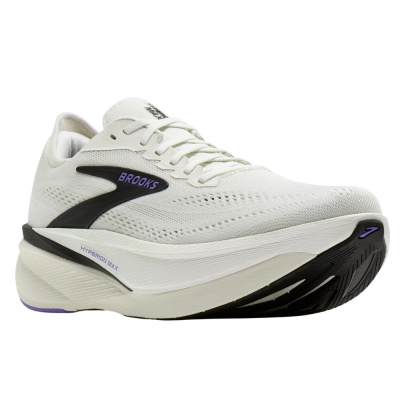
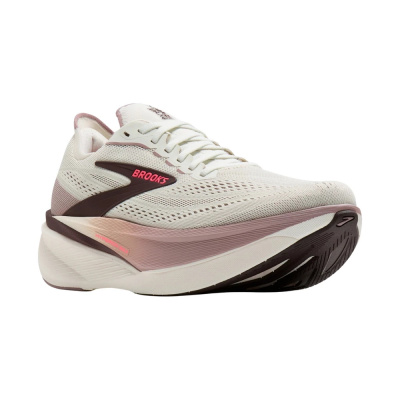
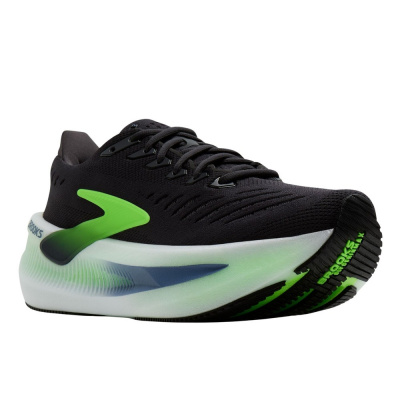
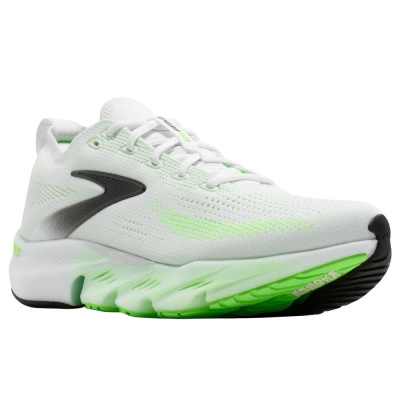
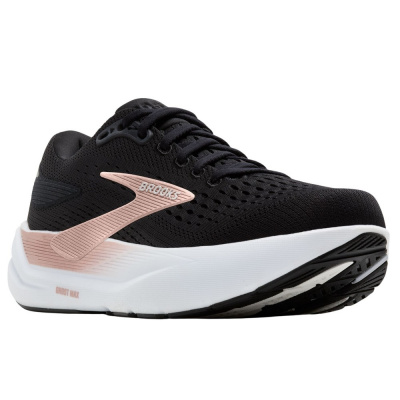
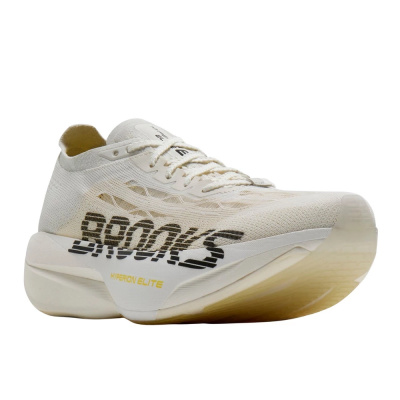
Brooks Running Shoes combine biomechanical engineering with a 'Run Happy' philosophy that's less marketing fluff, more lab-tested efficiency. If you're cross-training off the bike or tackling brick workouts where the transition from saddle to pavement matters, Brooks delivers footwear that understands how your body moves under fatigue. The range splits neatly into two camps: neutral models like the Ghost and Glycerin for runners with a stable gait, and support options such as the Adrenaline GTS that deploy the GuideRails system to keep excess motion in check. It's a proper science-first approach, not just another cushioned trainer with a catchy name.
What sets Brooks apart is the attention to fit variability. You'll find multiple width options - narrow B, standard D, wide 2E, and extra-wide 4E - plus uppers engineered with 3D Fit Print that stretch where your foot swells during long efforts but hold structure where you need it. Whether you're logging road miles around Richmond Park or prepping for a trail ultra in the Peaks, there's a model dialled for your gait pattern and the surface underfoot.
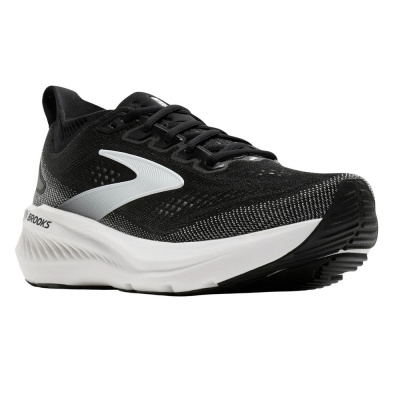
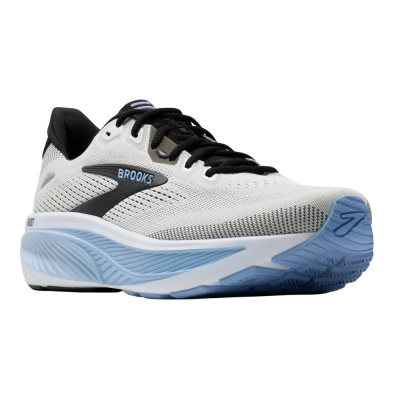
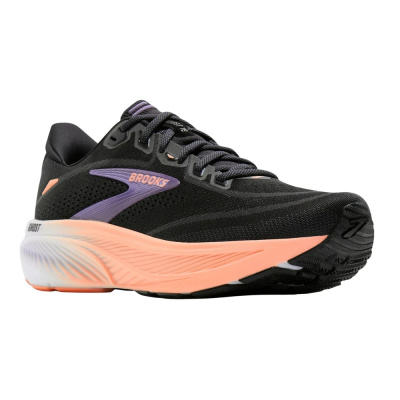
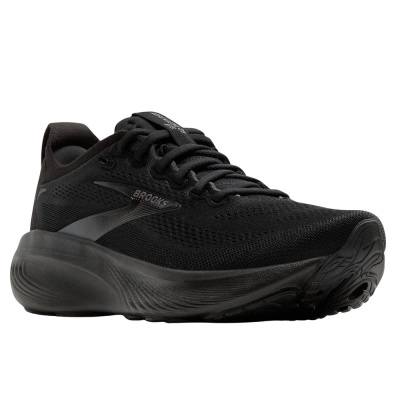
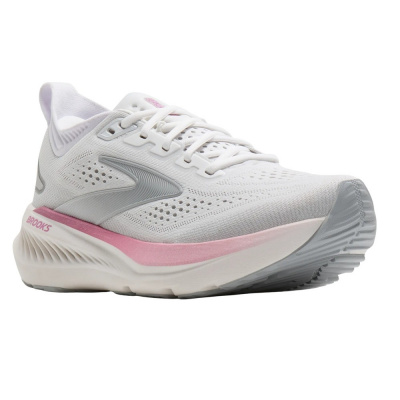
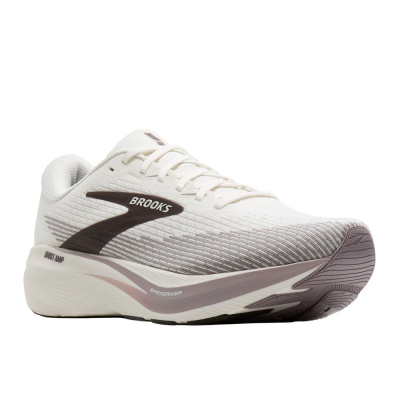
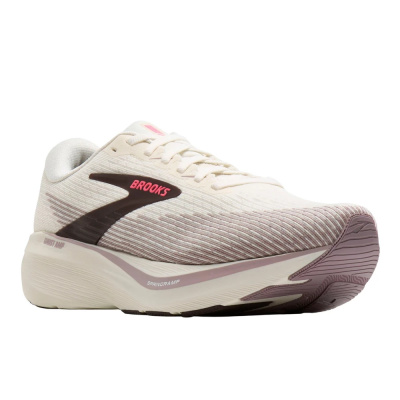
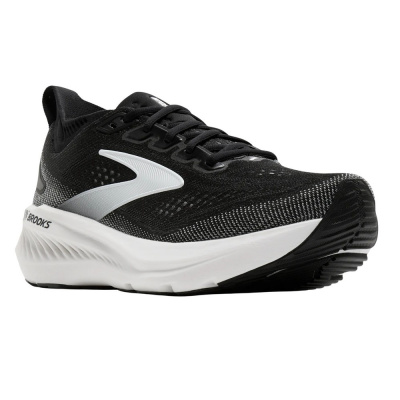
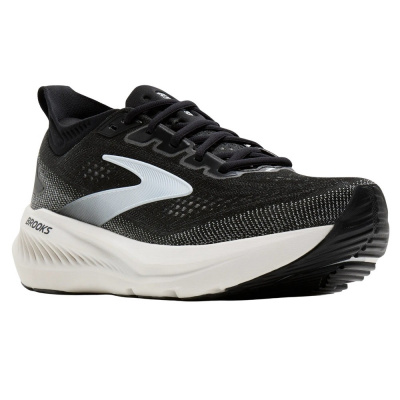
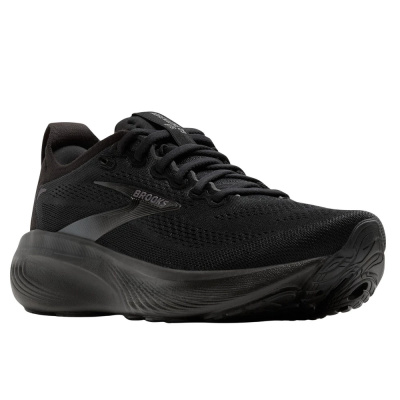
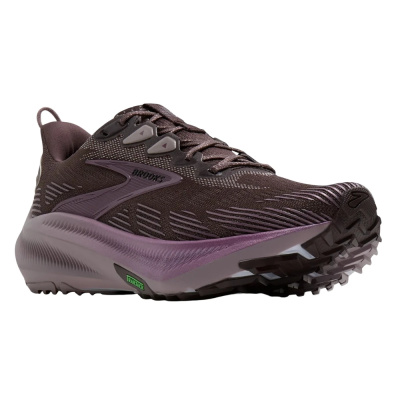
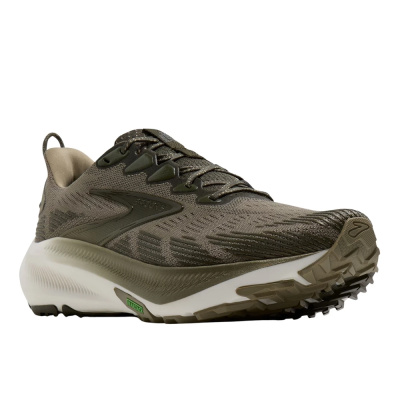
Prices and availability can change quickly. Delivery charges are not always included in listed prices.
Final price, stock status and delivery terms are set by retailer. We may receive a commission on purchases made.
Midsole Engineering: DNA Technology Explained
Brooks leans hard on proprietary foam compounds, and the headline act is DNA LOFT v3 - a nitrogen-infused cushioning that's softer than previous iterations without the mushy, unstable feel that plagues some max-cushion designs. Nitrogen bubbles create a lighter, more responsive cell structure, so you get impact absorption on descents without sacrificing snap when you push the pace. It's the sort of tech that matters when you're three hours into a long run and every footstrike counts.
DNA AMP takes a different tack. Found in models like the Levitate, it's a high energy return foam that bounces back rather than just absorbing shock. Think of it as the difference between landing on a pillow versus a trampoline. For tempo work or intervals, that rebound translates to less muscular effort per stride. BioMoGo DNA, the adaptive midsole cushioning in older or entry-level models, adjusts firmness based on your weight and pace - handy if you're varying intensity across the week. The heel-to-toe drop varies by model, typically 10 - 12 mm for traditional runners, 8 mm for those chasing a more natural stride. Choose based on your Achilles flexibility and whether you're transitioning from cycling cleats where your heel sits higher.
Biomechanics & Stability: The GuideRails System
Traditional stability shoes jam a dense medial post under your arch to fight overpronation. Brooks ditched that script. The GuideRails support system sits further back, flanking the heel and midsole to limit excess movement at the knee joint rather than forcing your foot into a prescribed path. It's a holistic take: your knee tracks straighter, your hips stay aligned, and your foot still moves naturally through the gait cycle.
Which Brooks running shoe is best for stability? The Adrenaline GTS is the go-to, blending GuideRails with DNA LOFT cushioning for a ride that's supportive without feeling rigid. If you overpronate heavily - say your old trainers show serious medial wear - the Beast (men) or Ariel (women) ramps up the pronation control with firmer rails and a wider base. For neutral runners, the Ghost and Glycerin skip the GuideRails entirely, trusting your biomechanics to self-correct. It's worth a gait analysis if you're unsure; many UK running shops offer free treadmill assessments, and the difference between neutral and support can prevent niggles that derail training blocks.
Road vs. Trail: Outsole Design & Protection
Road models prioritise smooth transitions and grip on wet tarmac. The Glycerin and Ghost feature a Segmented Crash Pad - a modular outsole that adapts to your footstrike angle, whether you're a heel-striker pounding pavements or a midfoot lander chasing Strava segments. Rubber compounds are sticky enough for greasy London streets in November but wear-resistant over hundreds of miles. Expect around 400 - 500 miles before the foam compresses noticeably, longer if you rotate pairs.
Trail geometry shifts the brief. The Cascadia, Brooks' flagship trail runner, deploys deeper lugs (4 - 5 mm) and a Ballistic Rock Shield - a flexible plate that deflects sharp stones without adding clunky stiffness underfoot. If you're tackling Peak District grit or Scottish scree, that shield saves your metatarsals from bruising. Outsole rubber is stickier, trading longevity for traction on wet roots and muddy singletrack. The Caldera sits between road and trail, suited to canal towpaths or forest fire roads where you don't need aggressive lugs but want more protection than a pure road shoe offers. Worth noting: trail models run slightly heavier due to reinforced uppers and beefier outsoles, so they're less ideal for tempo work on asphalt.
Fit, Sizing & Upper Construction
Do Brooks running shoes run true to size? Generally yes, but size up half from your casual trainers to account for foot swelling during long efforts. Brooks also offers specific width fittings - narrow B, standard D, wide 2E, extra-wide 4E - so you're not stuck with a one-size-fits-all toe box. The 3D Fit Print upper tech uses a heat-applied overlay that provides structure without stitched seams that rub or add bulk. It stretches across the forefoot as your toes splay but locks the midfoot and heel for stability.
Toe-box volume varies by model. The Ghost and Adrenaline offer moderate room; the Glycerin runs slightly more generous, useful if you've got wider feet or prefer thicker socks on winter runs. Trail models like the Cascadia add a reinforced toe cap to fend off rock strikes. If you're coming from cycling shoes with a snug race fit, Brooks will feel roomier - that's intentional, giving your foot space to expand over hours. The brand's roots trace back to 1914, but the modern focus is squarely on running biomechanics rather than heritage storytelling. They've invested heavily in their Run Signature lab, analysing thousands of gaits to inform design tweaks, and it shows in the granular fit options.
What is the difference between Brooks Ghost and Adrenaline? The Ghost is a neutral shoe for stable gaits, while the Adrenaline GTS adds GuideRails for overpronators. Both share DNA LOFT cushioning, similar heel-to-toe drops, and comparable weights, so the choice hinges purely on whether you need that extra support. If your knees track inward when you fatigue, the Adrenaline keeps you honest. If your gait stays clean, the Ghost shaves a few grams and feels marginally livelier underfoot.
For triathletes juggling brick sessions - bike to run transitions - Brooks road models pair well with running accessories like quick-lace systems and moisture-wicking socks. The cushioning absorbs the shock your legs aren't used to after hours in the saddle, and the wider fit accommodates feet that've been compressed in cycling shoes. Compared to On Running shoes, Brooks skews softer and more forgiving, trading some ground feel for long-distance comfort. On's CloudTec appeals if you want a firmer, more responsive ride; Brooks suits those prioritising plush landings over race-day snap.