
Bicycle Line Jerseys
Bicycle Line jerseys come out of Italy with a clear focus: well-engineered fabrics, a considered cut, and pricing that doesn't assume you've got a pro team budget. The range spans everything from featherweight summer jerseys with micro-perforated mesh to brushed thermal long-sleeves built for grey November mornings - so whether you're chasing a local crit podium or grinding up a Welsh sportive in humid July air, there's a jersey in the lineup aimed squarely at you.
The fabrics do real work. Moisture-wicking properties are baked into the construction rather than added as an afterthought, and UPF 50+ UV protection on the summer models means long days in the saddle don't have to mean a sunburnt neck. Silicone waist grippers keep everything anchored when you're deep in the drops, and YKK camlock zippers mean you're not fighting a flapping collar at 30mph. Reflective detailing on several models is a practical nod to the reality of UK riding - where late-afternoon light disappears fast, especially through autumn and winter.
Fit runs true to Italian form: close, precise, and shaped for time on the bike rather than off it. If you're new to the brand, that's worth knowing before you order. More on that below.
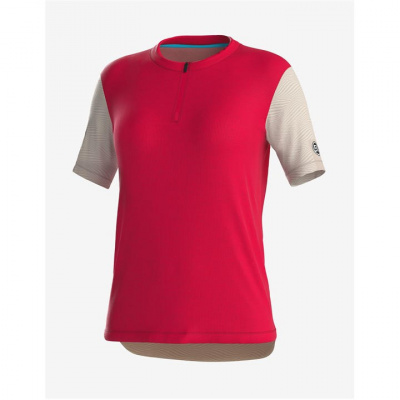
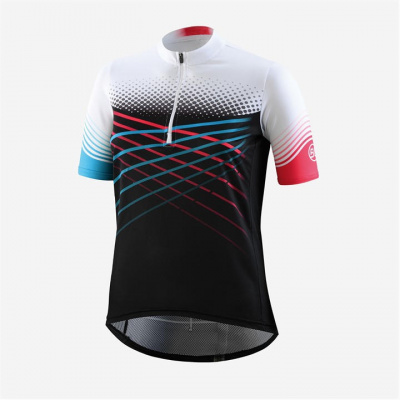
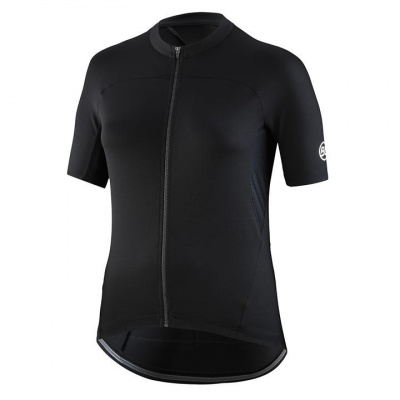
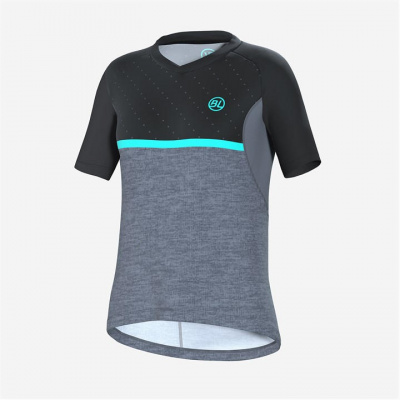
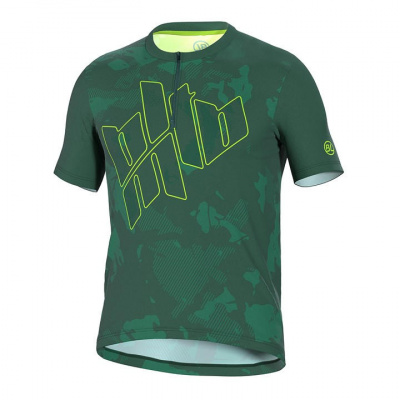
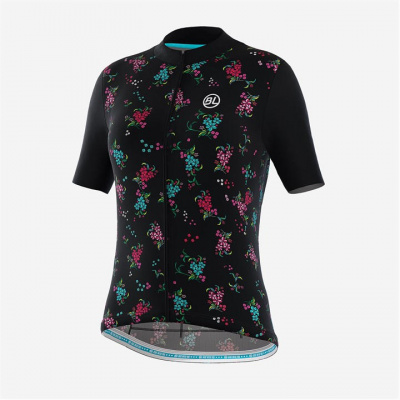
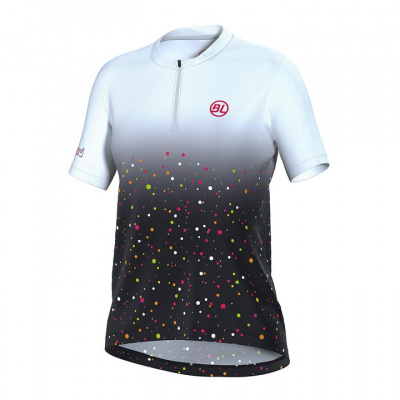
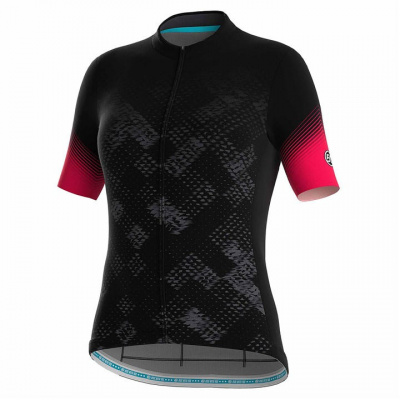
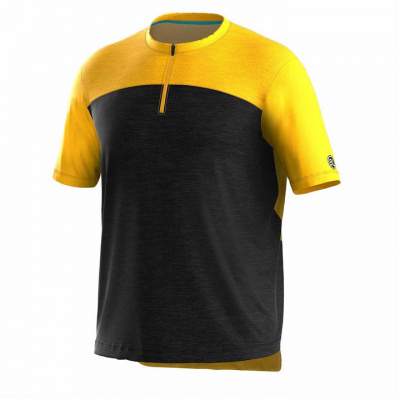
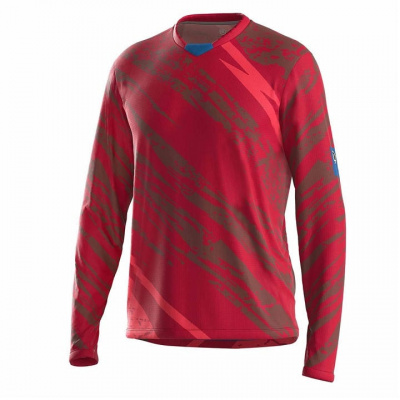
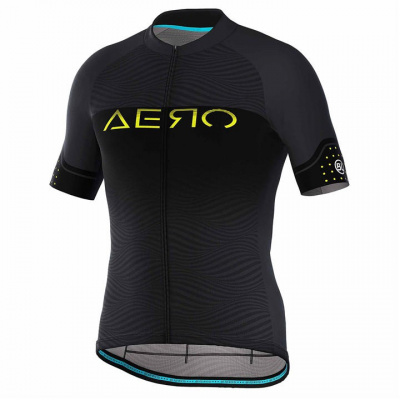
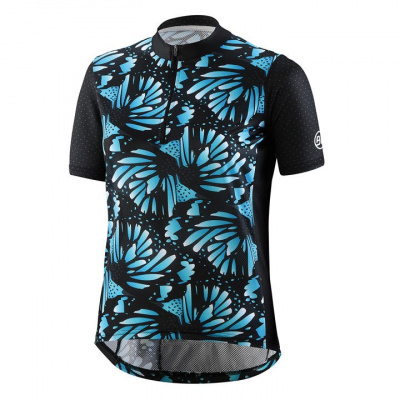
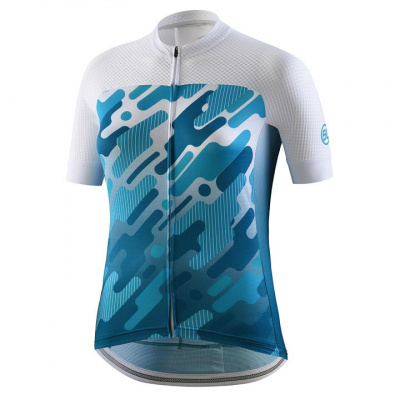
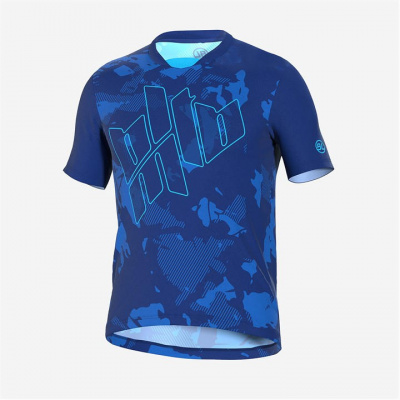
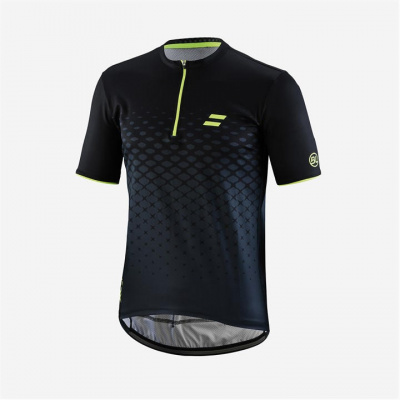
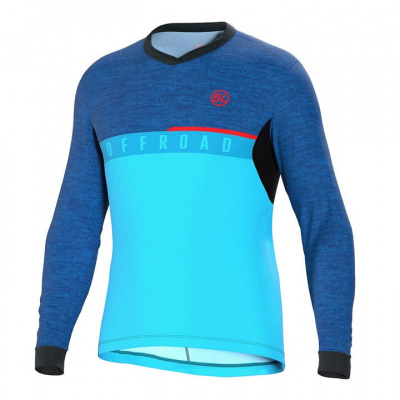
Prices and availability can change quickly. Delivery charges are not always included in listed prices.
Final price, stock status and delivery terms are set by retailer. We may receive a commission on purchases made.
Fabric Tech and Weather Performance
The foundation of most Bicycle Line summer jerseys is their micro-perforated Italian mesh fabric. The tiny perforations aren't just cosmetic - they create airflow channels across the back and underarms that pull heat away during hard efforts. On a humid climb in the Surrey Hills or a slow-grinding sportive where the air barely moves, that breathable mesh earns its keep. Moisture-wicking moves sweat away from the skin quickly enough that you're not sitting in a damp second layer by the top of the hill.
UPF 50+ UV protection is built into the summer-weight options, which matters more than riders often expect on long British summer days - cloud cover doesn't block UV the way most people assume. The protection is woven into the fabric itself, so it doesn't wash out over time the way topical treatments do.
At the other end of the range, the long sleeve thermal cycling jerseys switch to a brushed-fleece interior that traps a layer of warm air without adding serious bulk. These aren't waterproof - pair them with a gilet or a light shell if rain is likely - but they handle wind chill and damp cold well enough for the bulk of UK winter training days. The transition between summer and winter options in the Bicycle Line range is fairly clean; there's no muddled middle-ground model that tries to do everything and does none of it convincingly.
Reflective detailing is worked into the construction on a number of models, which is a practical detail rather than a styling choice. On overcast afternoons or early-morning winter rides, being seen matters, and a few well-placed reflective hits do more than a single logo patch on the back.
Understanding the Bicycle Line Fit and Range
Bicycle Line splits their jersey range broadly into two fit profiles, and choosing correctly matters more than the model itself. The race or aero fit is cut close - genuinely close, not just marketing-close. Raw-cut sleeve edges eliminate the bunched fabric that drags in an aggressive position, and the shorter front hem is designed specifically for riders spending time in the drops or on clip-on bars. It's a second-skin cut shaped around the bike, not around standing upright. If you're comparing to something like Castelli jerseys, the Bicycle Line aero fit sits in similar territory: precise, performance-oriented, unforgiving of a size misjudgement.
The relaxed or club fit is more generous through the chest and midsection - enough room that a full deep breath mid-climb doesn't feel restricted, and comfortable across a four-hour café ride without the fabric pulling anywhere. It's not baggy; it's just not designed to make you feel like you're being measured for something. Riders who spend more time on endurance rides or mixed-pace club runs will find this cut more practical day-to-day.
On sizing: as an Italian brand, Bicycle Line sizes run close to the body and tend to fit smaller than UK or US equivalents. If you're between sizes, size up. If you're a broader build through the shoulders - common enough among British club riders - size up regardless of where the chest measurement puts you. The drop tail at the rear keeps coverage sorted even when the jersey fits trim through the torso, so you won't be showing a strip of back every time you reach for a bottle. For a full kit approach, their Bicycle Line bib tights and Bicycle Line regular shorts follow similar sizing logic, so once you've found your jersey size, the rest of the range should line up consistently.
How does this compare to other Italian brands? Bicycle Line sits closer to Alé jerseys than to the more extreme race cuts you'd find at the top of the Assos range. There's precision in the cut, but it's not designed exclusively for riders with a racer's build.
Layering and Care for UK Riding
A short-sleeve Bicycle Line aero jersey paired with arm warmers and a packable gilet covers most of what spring and autumn in the UK throws at you. The arm warmers roll down cleanly over the sleeve edge, the gilet stuffs into a rear pocket at the top of the climb, and you're not carrying dead weight. This is how most British riders manage the nine-month shoulder season - not by buying three different jerseys, but by building around one good base and adding or removing layers as the ride demands.
In genuinely cold conditions, the long sleeve thermal cycling jersey from Bicycle Line works well as a standalone piece down to around five or six degrees, depending on your pace and the wind. Below that, you're looking at a base layer underneath and a wind-resistant outer on top. Their Bicycle Line regular tights pair naturally with the thermal jerseys for those full-winter days when you just want to get it done.
Wash care is straightforward but worth doing properly to keep the fabric performing. Thirty degrees, delicate cycle, zip the full-length YKK zipper fully closed before it goes in the machine - an open zip in a drum is how mesh panels get snagged and silicone grippers get distorted. Skip the fabric softener entirely; it coats the fibres and progressively kills the moisture-wicking properties. The reflective detailing also degrades faster with softener. Hang to dry rather than tumble drying, and these jerseys will last a long time.
A note on the silicone gripper at the waist: if yours feels like it's lost its grip after washing, check whether softener crept in. A few washes without it and the gripper usually recovers. It's a small thing, but it's the difference between a jersey that stays put on a long descent and one you're constantly yanking down.
Bicycle Line Jerseys FAQs
How do Bicycle Line jerseys fit compared to other Italian brands?
Bicycle Line follows traditional Italian sizing - close-fitting and cut smaller than UK or US equivalents. Compared to brands like Alé, the fit is similarly precise but slightly less extreme than top-end race cuts from Assos. If you're between sizes or carry any extra width through the shoulders or chest, size up. Getting this right first time saves the hassle of a return.
Are Bicycle Line jerseys good for hot weather riding?
Yes, particularly the summer-weight models. Micro-perforated mesh panels push heat away and wick moisture effectively during hard efforts - useful on humid UK climbs where airflow is limited. UPF 50+ protection is built into the fabric on most summer options, so you get meaningful sun protection without relying on sunscreen alone during long days in the saddle.
What is the difference between aero and relaxed fit cycling jerseys?
An aero fit is cut like a second skin - raw-edge sleeves, a shorter front hem, shaped specifically for riding in an aggressive or dropped position without any fabric bunching or flapping. A relaxed club fit is more forgiving through the chest and waist, built for comfort across long or casual rides rather than aerodynamic efficiency. Neither is better; they suit different riders and different types of riding.