
Bergamont Hybrid Bikes
Bergamont hybrid bikes are designed in the gritty St. Pauli district of Hamburg, where the roads are rough, the winters are relentless, and nobody has time for a bike that can't pull its weight. That practical, no-nonsense attitude runs through every model in the range - from snappy urban fitness bikes to fully loaded trekking rigs that'll handle a Sustrans route with panniers aboard.
Backed by Scott Sports, Bergamont punches well above its price bracket. You get access to genuinely good manufacturing processes and Syncros components that you'd normally find on bikes costing considerably more. The frames are built to carry loads, fit mudguards without fuss, and survive daily commuting without quietly falling apart.
The lineup covers a lot of ground. If you want something fast and lean for city riding, the Sweep is worth a close look. If you need a comfort-forward trekking bike with racks pre-fitted and dynamo lights ready to go, the Horizon is the more sensible call. There's also the Vitess for riders who want a lighter, more performance-oriented setup, and the Belami for anyone who finds swinging a leg over a traditional frame more trouble than it's worth.
Looking for pedal-assist commuter models? Head over to our Bergamont E-Bikes page instead.
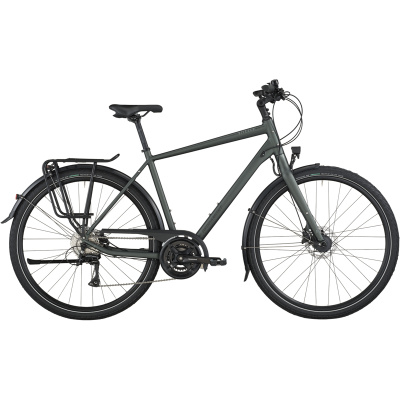
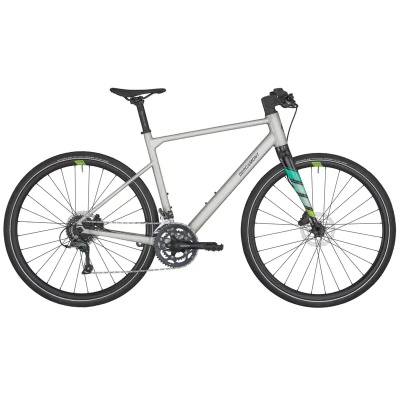
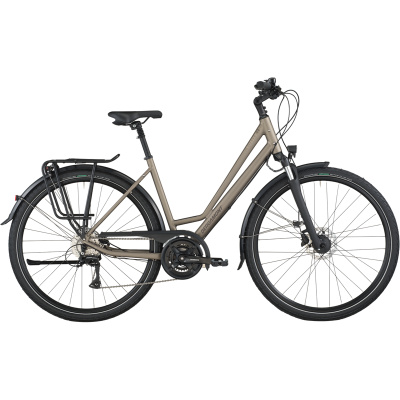
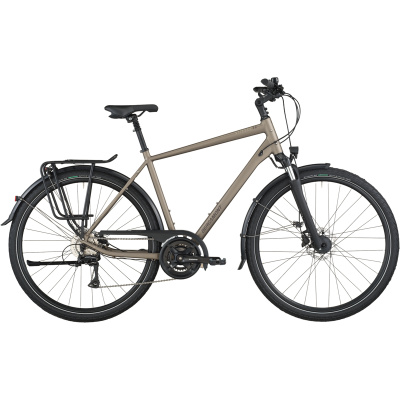
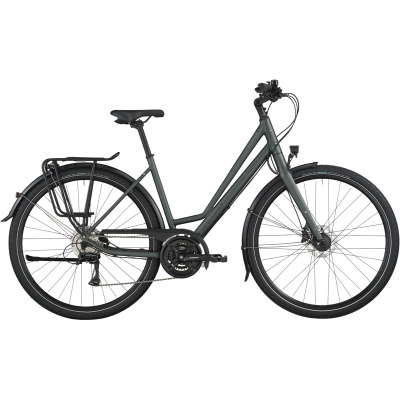
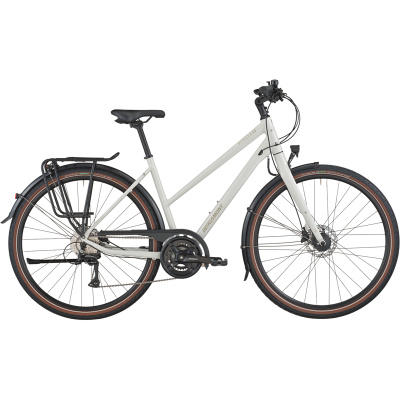
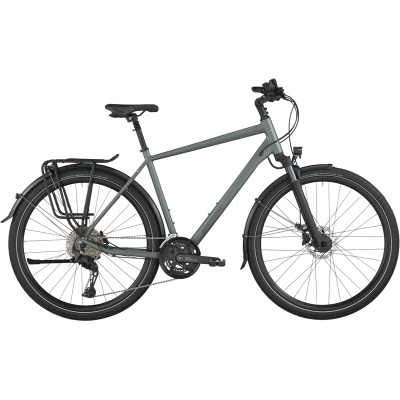
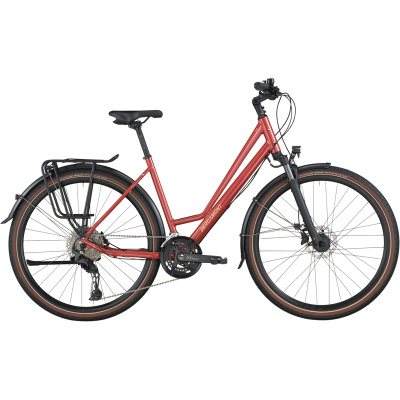
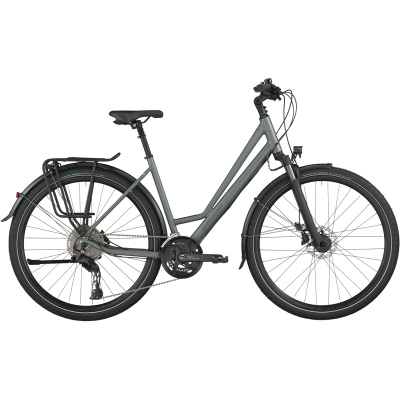
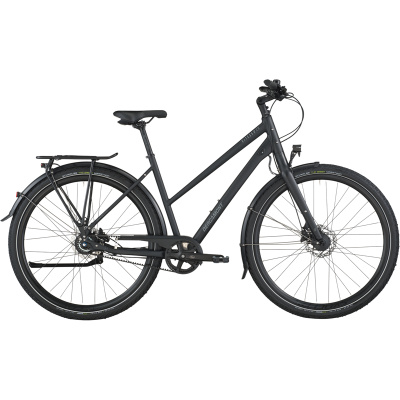
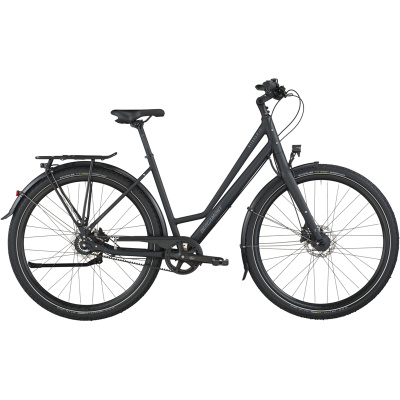
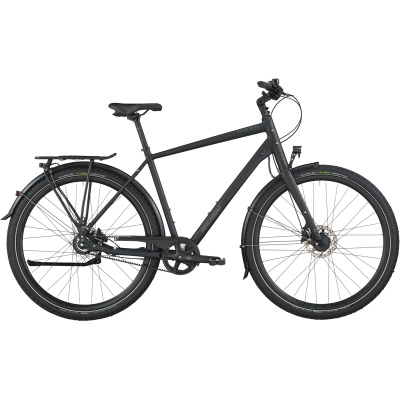
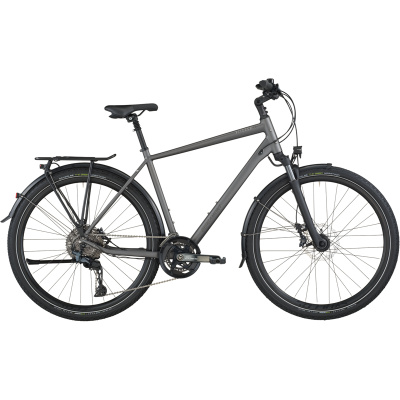
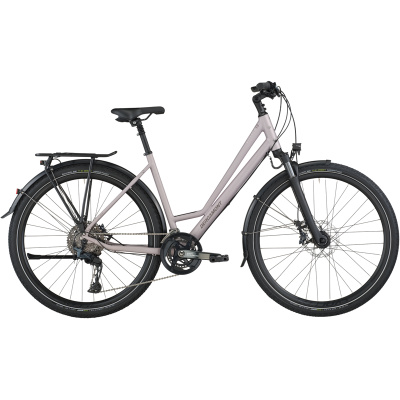
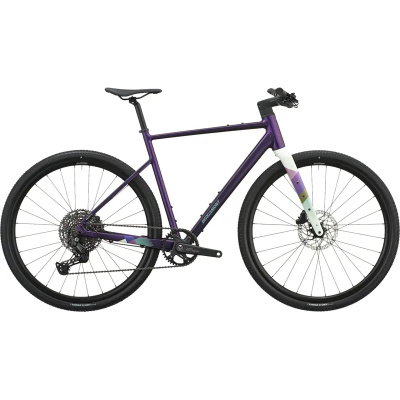
Prices and availability can change quickly. Delivery charges are not always included in listed prices.
Final price, stock status and delivery terms are set by retailer. We may receive a commission on purchases made.
Decoding the Bergamont Hybrid Lineup
Four main families cover the range, and they're more different from each other than a quick glance at the catalogue suggests. Getting the right one matters more than squabbling over trim levels.
The Sweep is Bergamont's urban fitness bike - rigid fork, relatively aggressive geometry for a hybrid, and built around speed and agility in stop-start city traffic. St. Pauli Urban Geometry is the design principle behind it: shorter head tubes, a more forward riding position, and geometry that makes sense when you're threading through junctions rather than cruising a towpath. It's the closest thing in the range to a flat-bar road bike, and it rides like one. If your commute involves distance and you want to cover it quickly, start here.
The Horizon takes a different approach entirely. Suspension fork, upright geometry, and it comes with racks and mudguards fitted as standard rather than as an afterthought. This is a proper trekking bike - BGM Trekking integrated carrier systems mean the rack is part of the frame design, not a bolted-on compromise. It's heavier than the Sweep, but you're getting a genuinely practical machine that's ready for a loaded weekend without modification.
The Vitess sits in interesting territory. Rigid fork like the Sweep, but with a more relaxed trekking geometry and access to higher-end drivetrains - you'll find Shimano Deore and even Alfine internal gear hubs on certain trim levels. Silent Drive integration (Bergamont's term for Gates Carbon Belt Drive compatibility) appears on the premium Vitess builds, which makes genuine sense if you're riding year-round and want a drivetrain that genuinely doesn't care about road salt.
Then there's the Belami - a classic step-through frame with an ultra-low standover height. It's not a performance bike and doesn't pretend to be. What it does offer is a supremely comfortable, accessible ride for anyone who wants to get on and off the bike without performing a yoga pose. Trim levels across the range run from base Edition specs up through N8 and Elite builds, broadly tracking from entry drivetrains and mechanical brakes to hydraulic discs, internal gear hubs, and Syncros finishing kit.
The Bergamont Tech Philosophy: Built for the City
The St. Pauli origin story isn't just branding. Hamburg's roads are potholed, the weather is grim for a good chunk of the year, and cyclists there actually use their bikes rather than polishing them. That context shapes the spec decisions in ways that translate well to British riding conditions.
Mudguard and rack integration is taken seriously. BGM Trekking integrated carrier systems mean the eyelets are in the right places, the rack sits at the right height, and the mudguards clear wide tyres without rattling loose after three months. It's the sort of detail that sounds dull until you've bought a bike that doesn't have it.
Syncros components - bars, stems, saddles - appear across the mid and upper trim levels as a direct benefit of Scott Sports ownership. These are components that appear on Scott's own performance road and mountain bikes, so finding them on a mid-range hybrid represents genuine value. The saddle in particular is worth checking: Syncros spec tends to be a step up from the generic fare that often comes with bikes at this price point.
Internal gear hubs are available on several models, most commonly Shimano Nexus 8-speed on mid-range builds. An internal hub means fewer moving parts exposed to grit and water, low maintenance, and the ability to change gear while stationary - which matters more than it sounds when you're clipped into traffic lights. Gates Carbon Belt Drive compatibility on the premium Vitess builds takes that logic further: no chain to degrease, no stretched links, just a clean, quiet drivetrain that keeps working regardless of what the weather's doing. If you're commuting daily and hate bike maintenance, that spec is worth the premium.
It's also worth noting that Bergamont's frame finishes tend toward understated. Dark colours, clean graphics, minimal logos. In a high-theft city centre, a bike that doesn't shout about its own value is a practical advantage.
Living with a Bergamont in the UK
British roads will test any hybrid bike, and there are a few specifics worth knowing before you commit. Tyre clearance on models like the Sweep runs to 35c and beyond, which is wide enough to absorb the kind of sharp-edged pothole damage that destroys narrower tyres. If your commute runs through an urban area with particularly rough surfacing - think post-winter Manchester side streets or a London borough that's fallen behind on road maintenance - that clearance matters. Running at lower pressures also helps, and the wider rims on Bergamont's trekking models support that.
Factory-fitted mudguards and dynamo lighting on Horizon builds make a real difference for winter riding. A dynamo light runs off the wheel hub and doesn't need charging - which sounds minor until you've forgotten to charge your clip-on light two mornings in a row in December. Full-coverage mudguards keep your back dry and stop the rider behind you from getting a face full of spray. Both of these things sound obvious, but plenty of bikes at this price point still treat them as optional extras.
One sizing note worth flagging: Bergamont frames are German-designed, and they tend to sit slightly taller than equivalent-sized frames from some UK-focused brands. If you're on the cusp between two sizes - say, medium and large - check the geometry chart carefully rather than defaulting to your usual size. Standover height and stack in particular can catch riders out. Most retailers will have geometry tables available, and it's worth a few minutes of cross-referencing before ordering online.
If you want to compare how Bergamont sits against the broader hybrid market, Cube hybrid bikes and Boardman hybrid bikes cover similar ground - Cube leans heavily into trekking spec, Boardman toward fitness and commuting efficiency. Carrera hybrid bikes are worth a look if budget is the primary constraint. For Bergamont's own performance-oriented options, their road bikes and gravel bikes are worth a browse if you find the hybrid range too relaxed in its ambitions.
Whatever model you land on, sorting your lighting early is sensible - especially if the bike doesn't come with dynamo spec. Our Bergamont lights page is a good starting point for compatible options.
Bergamont Hybrid Bikes FAQs
Are Bergamont bikes good quality?
Yes, genuinely. Bergamont is owned by Scott Sports, which means they share manufacturing standards and benefit from Syncros components that appear across Scott's broader performance range. The hybrid frames are built for daily use and load-carrying, with durability that holds up well over years of commuting rather than just the first season.
Where are Bergamont bikes made?
Bergamont bikes are designed and engineered in Hamburg, Germany - specifically the St. Pauli district, which shapes the brand's practical, urban-focused design philosophy. Frame production takes place in Taiwan, which is standard across the industry for quality bicycle manufacturing at every price point.
What is the difference between the Bergamont Sweep and Horizon?
The Sweep is a rigid-fork urban fitness bike with a more forward riding position - it's built for covering distance quickly in city traffic. The Horizon is a trekking bike with a suspension fork, upright geometry, and factory-fitted racks and mudguards. Pick the Sweep if speed matters most; pick the Horizon if comfort and practicality are the priority.