
Assos Chamois Cream
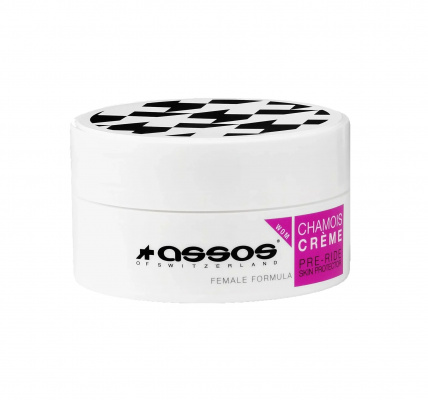
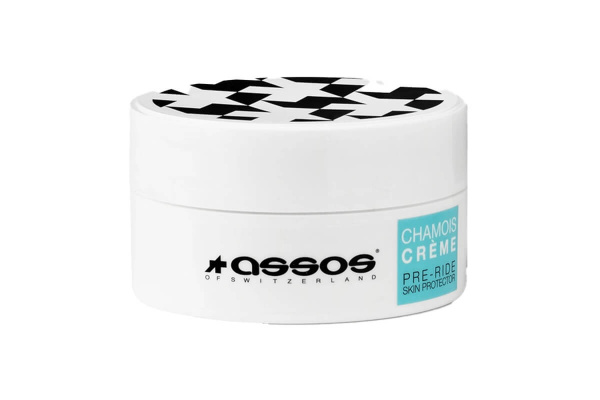
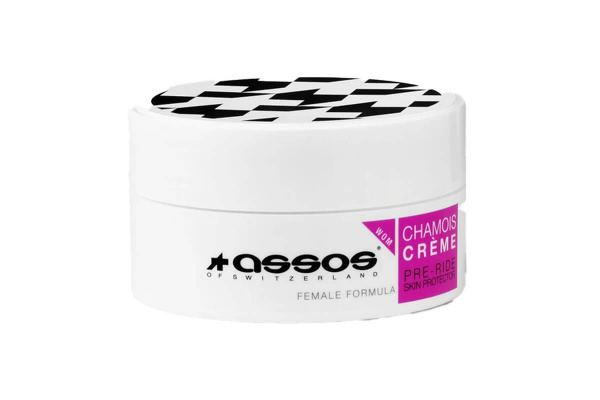
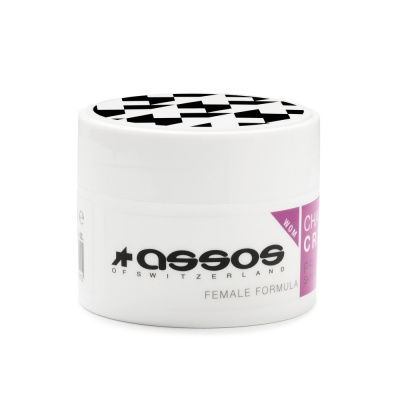
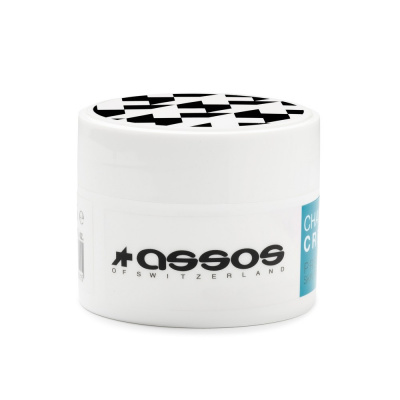
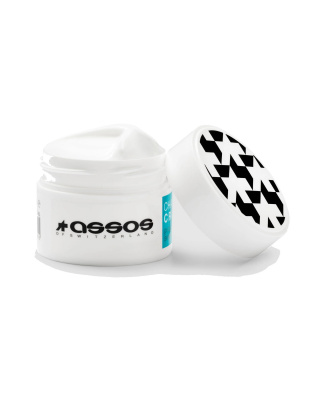
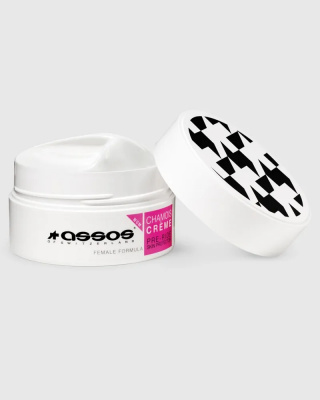
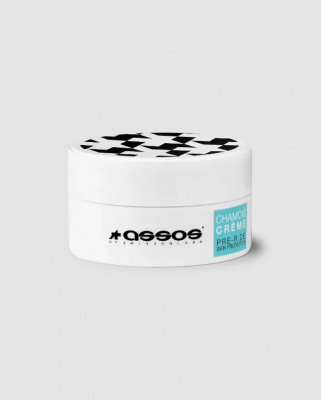
Assos Chamois Cream sits at the top of the pile when it comes to skin protection for cyclists - and it's earned that position through formula, not marketing. It works by laying down a high-viscosity barrier between your skin and the chamois pad, cutting the shear stress that turns a four-hour ride into a painful ordeal. The antibacterial properties get to work in the warm, damp environment that builds up inside your bib shorts, stopping the bacterial cycle that leads to saddle sores before it even starts. Then there's the mild menthol extract - a cooling sensation that takes the edge off already-irritated skin, which you'll notice most on those long summer days in the saddle or grinding through a wet winter century in the Peaks. If you're clocking serious hours on the indoor trainer, where static position and sweat combine to create their own particular kind of friction hell, this is the cream that holds up. One application comfortably covers a four to five-hour ride, and the formula won't degrade your shorts' pad or synthetic fibres. For riders who take skin protection seriously, this is the one to reach for.
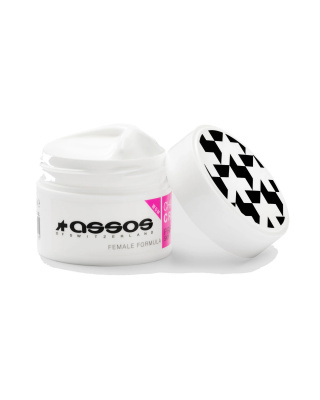
Prices and availability can change quickly. Delivery charges are not always included in listed prices.
Final price, stock status and delivery terms are set by retailer. We may receive a commission on purchases made.
Why the Formula Actually Works
At its core, Assos Chamois Cream is about friction reduction - specifically, stopping the repetitive skin-on-pad shear stress that accumulates over hours in the saddle. The high-viscosity formula doesn't just sit on the surface; it maintains a consistent, stable barrier even as you move, sweat, and generate heat. That thickness is the key difference between a cream that lasts twenty miles and one that holds up through a full sportive.
The antibacterial component is just as important as the slipperiness. Saddle sores aren't purely a friction problem - they're also a bacterial one. Warm, damp chamois pad conditions are near-ideal for microbial build-up, and once that cycle starts, you're off the bike. The antibacterial properties in this cream interrupt that process directly at the skin surface, which matters most on back-to-back riding days when full recovery between rides isn't always possible.
The menthol extract is the part riders notice immediately. It delivers a genuine cooling effect - not aggressive, but enough to calm already-sensitised skin and signal that the barrier is in place. On a hot August day on exposed roads, or a long indoor Zwift session where ventilation is minimal, that sensation is more than cosmetic. It's a useful indicator that the cream is doing its job.
How to Apply Chamois Cream for Best Results
Application method matters more than most riders assume. Take a two-finger scoop and apply directly to your skin - the sit bones and perineum, the areas that take the most consistent load against the pad. That direct skin application is where the cream does its most effective work, so don't skip it in favour of just loading up the chamois pad.
For ultra-endurance rides - anything heading beyond four or five hours, a long audax, or a multi-day trip - add a light secondary layer directly to the chamois pad itself. This two-point application keeps the barrier topped up as the ride extends and conditions change. It's the difference between arriving comfortable and arriving in bits.
One practical note: never double-dip with dirty fingers. Scoop once with clean hands before you kit up. Introducing bacteria from mid-ride contact back into the tub defeats the antibacterial purpose entirely. If you're stopping to reapply on a long day, use a fresh scoop or bring a small decant.
How you apply the cream also depends on your shorts. Riders using Assos Bib Shorts with a contoured, high-density pad will generally need less cream than those using a more basic pad - the ergonomics are doing some of the work already. If you're training in Assos Liner Shorts layered under baggies for off-road or mixed riding, apply the same way: skin first, pad second if the ride is long.
Shorts Compatibility and What to Do After the Ride
One concern riders raise - reasonably - is whether chamois cream will wreck expensive shorts. With Assos Chamois Cream, it won't. The formula is water-soluble, which means it rinses clean without leaving an oily residue that degrades synthetic fibres or breaks down the memory foam structure of a high-end pad. That's not a given across all chamois creams, so it's worth noting.
What you do after the ride matters as much as the cream itself. Get your shorts into a wash as soon as you can after finishing - ideally within the hour. Leaving sweat and cream residue sitting in the pad allows bacterial build-up to restart, and no amount of good application before the next ride will fully compensate for a pad that wasn't properly cleaned. Use the Assos Cleaning Kit, which is formulated to work with the brand's technical fabrics - a gentle 30-degree cycle with a dedicated sports detergent removes all residue without stressing the fibres or compromising the pad's structure.
This routine - apply properly, wash immediately - is what separates riders who rarely deal with saddle sores from those who battle them constantly. The cream is part of a system, not a standalone fix. Pair it consistently with quality shorts and a disciplined post-ride wash, and you remove most of the variables that cause skin problems in the first place.
It's also worth thinking about the UK-specific conditions that put chamois cream under pressure. Road spray on wet winter rides carries grit that can work its way into the interface between skin and pad, and lighter creams can be washed away faster than you'd expect. The thicker barrier Assos provides holds up better under those conditions - a point that matters on a long January ride in the Dales where you're spending four hours in persistent drizzle. Equally, static indoor riding on the trainer creates a different challenge: no airflow, high moisture accumulation, and consistent pressure on the same contact points throughout. That combination rewards a robust anti-chafe cream that won't break down mid-session.
Related searches:
Assos Chamois Cream FAQs
Do you put chamois cream on your skin or the pad?
Apply it directly to your skin first - sit bones and perineum, wherever friction is highest. That's where it works best. For longer rides pushing past four hours, add a light secondary layer to the chamois pad itself for extended protection. Skin application is the priority; the pad layer is a top-up.
How long does Assos chamois cream last on a ride?
A proper application will hold through a four to five-hour ride in normal conditions without issue. In heavy UK rain or on the indoor trainer where sweat builds fast, rides beyond that threshold may benefit from a reapplication - either mid-ride or via that secondary pad layer applied before you set off.
Does Assos chamois cream wash out of bib shorts?
Yes, completely. It's water-soluble and won't leave residue that degrades synthetic fibres or breaks down memory foam pads. Wash your shorts promptly after every ride on a gentle 30-degree cycle with a dedicated sports detergent - the Assos Cleaning Kit is the sensible pairing here - and the pad will be fresh for next time.