
226ers Hydration & Electrolytes
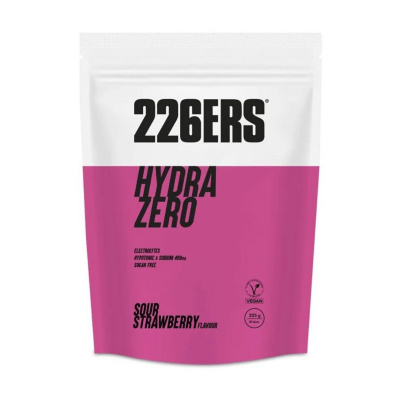
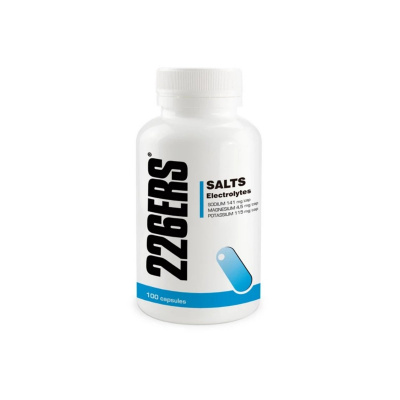
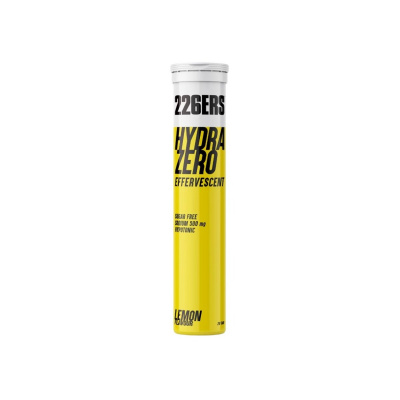
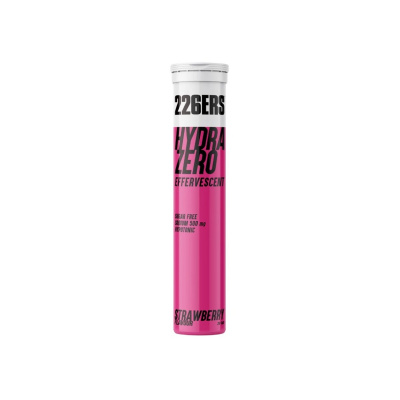
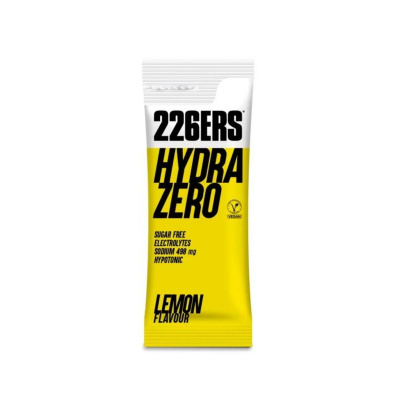
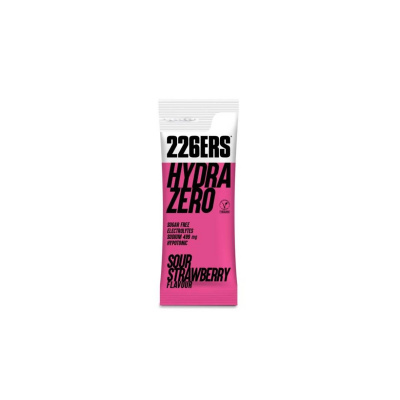
Four hours in and your legs are starting to talk to you - that's where 226ERS Hydration & Electrolytes earn their place in your bottle cage. Water alone doesn't replace what you're actually losing: sodium, potassium, and the minerals that keep your muscles contracting cleanly. Once those drop, cramping isn't a matter of if, it's when. 226ERS take a properly clinical line on this. Their Hydrazero mix delivers 500mg of sodium per serving in a hypotonic formula - meaning it crosses the gut wall faster than plain water, not slower. No sugar, no sticky mouthfeel, sweetened with stevia so it stays easy on the stomach across multi-hour efforts. Then there's their isotonic range for when you need carbohydrates alongside your minerals. Two distinct tools, two different jobs. For UK riders, the stakes are higher than you might think. A humid July sportive through the Cotswolds or a sweaty Zwift session in an unventilated spare room both drain sodium fast - often before you feel thirsty. Getting your mineral balance right isn't a marginal gain reserved for pros. It's straightforward physiology, and 226ERS make it genuinely straightforward to act on.
Prices and availability can change quickly. Delivery charges are not always included in listed prices.
Final price, stock status and delivery terms are set by retailer. We may receive a commission on purchases made.
Osmolarity, Sodium, and Why the Numbers Matter
The core of the 226ERS hydration range sits in understanding osmolarity - the concentration of dissolved particles in a drink relative to your blood plasma. Get it wrong and fluid absorption slows, or worse, you pull water from your cells rather than into them. Hydrazero is formulated as a hypotonic solution, sitting below blood plasma concentration, which means it empties from the stomach rapidly and moves across the intestinal wall without resistance. That's a meaningful difference on hour three of a hard ride.
The 500mg sodium figure in Hydrazero isn't arbitrary. Heavy sweaters - and most of us qualify on a warm day or under a roof with a fan struggling in the corner - can lose between 1,000mg and 2,000mg of sodium per hour. One serving of Hydrazero per 500ml addresses a substantial chunk of that deficit before cramping becomes a real conversation. Compare that to many mainstream sports drinks that front-load sugar and treat sodium replenishment as an afterthought.
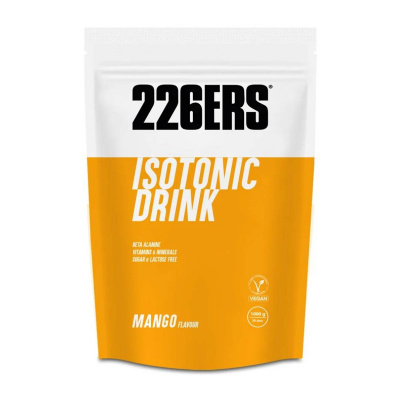
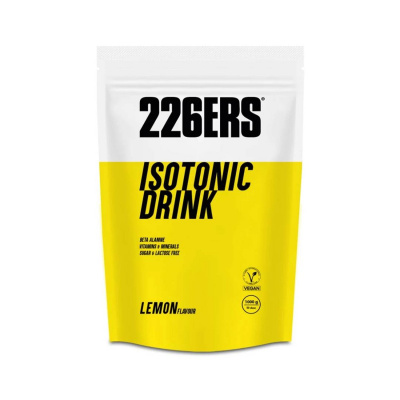
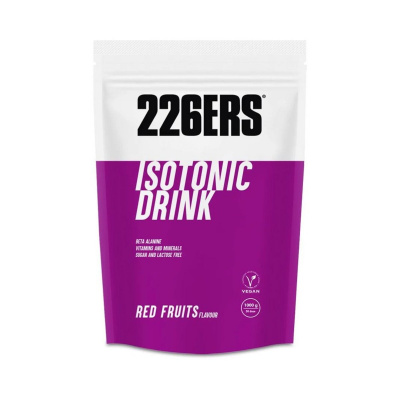
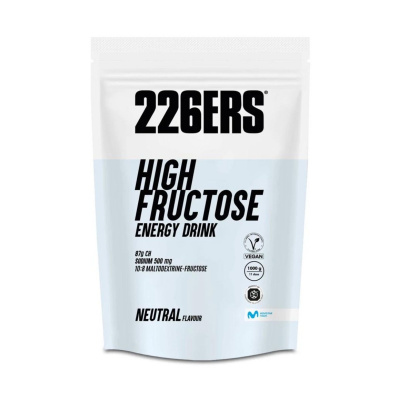
For riders who need fuel alongside hydration, the isotonic range uses amylopectin - a fast-digesting, high-molecular-weight starch - rather than simple sugars. Amylopectin clears the gut quickly without the insulin spike associated with high-glycaemic carbs, keeping energy delivery steady rather than peaky. Hydrazero, by contrast, is sweetened purely with stevia and contains zero carbohydrates. That separation matters: it keeps your hydration strategy independent of your fuelling strategy, which gives you much more control. Brands like Precision Fuel & Hydration and Skratch Labs operate in similar territory, though 226ERS lean harder into the zero-sugar hypotonic angle with Hydrazero specifically.
Practical Mixing and Drinking Strategy
One sachet or scoop of Hydrazero goes into 500ml of water. That's it. Don't concentrate it further hoping for more effect - you'll tip the osmolarity the wrong way and slow absorption down. Shake it properly; the powder dissolves cleanly and doesn't clump in cold water, which matters when you're filling bottles at a feed station in January.
On the bike, drink to thirst rather than on a rigid clock, but use volume as a sanity check. In mild UK conditions - say, a dry day in the Peaks with a decent breeze - 500ml per hour is a reasonable baseline. Crank the heat or move indoors, and 750ml to 1,000ml per hour is more realistic for matching your actual sweat rate. Indoor turbo sessions deserve particular respect here. An unventilated room with no airflow means sweat isn't evaporating and cooling you - it's just dripping off you, taking sodium with it. Riders consistently underestimate how aggressively a hard Zwift session depletes minerals.
Pre-loading is worth knowing about before a big event. Drinking a full bottle of electrolytes the evening before a race or long sportive helps maximise blood plasma volume going into the effort - essentially, you start better hydrated at a cellular level rather than playing catch-up from kilometre one. It's a simple protocol that requires no special equipment, just a bit of forward planning.
One honest trade-off: because Hydrazero contains no carbohydrates, it does nothing for your energy levels on its own. That's a feature, not a flaw - but only if you've planned your fuelling separately. Forget your gels and you'll stay hydrated while running out of gas. Keep that distinction clear in your race-day bag.
Stacking Hydration With Your Fuelling Plan
Treating hydration and fuelling as separate systems is the smarter approach once you're pushing past 90 minutes. When you mix carbohydrates and electrolytes in the same bottle, adjusting one means adjusting the other. By keeping Hydrazero purely for mineral replenishment, you can dial your carbohydrate intake independently through solid food, bars, or 226ERS energy gels and chews - hitting the 60 - 90g of carbs per hour that hard efforts demand without compromising your hydration concentration.
This separation also pays off when conditions change mid-ride. If it cools down and you need less fluid, you're not accidentally reducing your carb intake at the same time. Conversely, if you're sweating harder than expected on a muggy North Yorkshire moor, you can increase your electrolyte intake without overloading on sugar. Flexibility is the practical upside.
Post-ride, the priority shifts from sodium to protein and glycogen restoration. 226ERS Recovery Drinks & Protein handle that window - the 30-minute period after a hard effort where your muscles are most receptive to nutrients. Running a hydration product into a recovery product without that transition is a common gap in riders' nutrition plans.
For those comparing options across the category, Science in Sport and Maurten offer their own takes - Maurten particularly with a hydrogel approach that packages carbs and electrolytes together. Whether you want that integration or 226ERS's separation philosophy depends entirely on how you prefer to manage complexity on the bike.
226ers Hydration & Electrolytes FAQs
How much 226ERS hydration mix should I use per hour?
One serving mixed into 500ml of water is the starting point for moderate efforts. If you're working hard in the heat or grinding through an indoor turbo session, scale up to 750ml - 1,000ml per hour. Your sweat rate varies more than most riders realise, so use thirst and urine colour as ongoing checks rather than sticking rigidly to a fixed number.
What is the difference between 226ERS Hydrazero and Isotonic drinks?
Hydrazero is a zero-sugar, hypotonic formula focused purely on sodium replenishment - 500mg per serving - for fast fluid absorption with no carbohydrates. The Isotonic range adds amylopectin-based carbohydrates to deliver energy alongside minerals in one drink. Use Hydrazero when you're fuelling separately; reach for the isotonic version when you want both in one bottle.
Do 226ERS electrolytes contain carbohydrates?
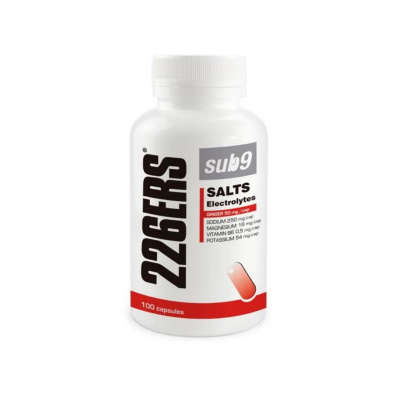
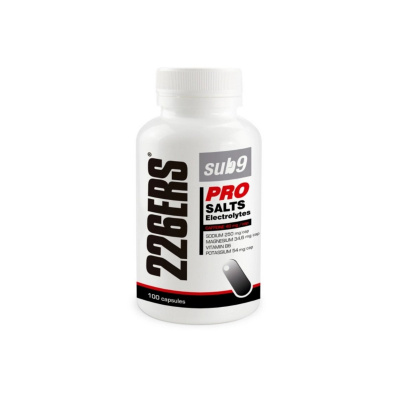
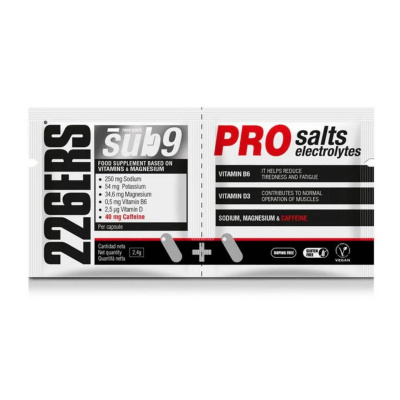
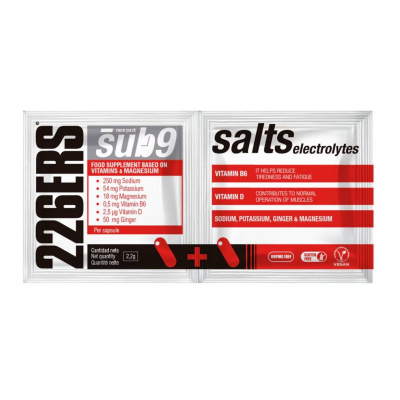
It depends on the product. Hydrazero contains zero carbohydrates and is sweetened with stevia - it's purely a mineral replacement drink. The Isotonic and Sub9 race-day mixes do include carbohydrates, using amylopectin for quick gastric clearance. Check the specific product label before building your race-day plan around it.