
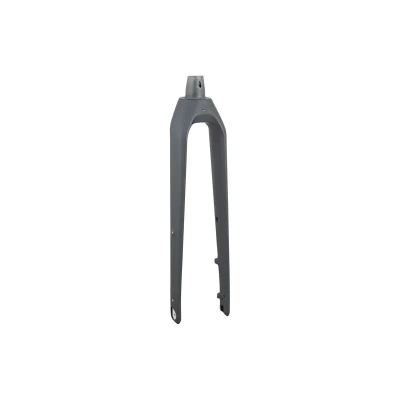
Trek Dual Sport 3
Your perfect one-bike solution for commuting, fitness rides, and weekend adventures without the faff.
- Alpha Gold aluminium frame with carbon fork
- 650b wheels with 50c tyres for mixed terrain
- Shimano CUES 1x10 drivetrain simplicity
- Hydraulic disc brakes for all-weather stopping
- Equipped package: lights, rack, mudguards included
- Tubeless Ready rims with puncture protection
Trek Dual Sport 3 Deals

Prices and availability can change quickly. Delivery charges are not always included in listed prices.
Final price, stock status and delivery terms are set by retailer. We may receive a commission on purchases made.
Bikesy's Verdict
The Trek Dual Sport 3 hits that rare sweet spot where practical meets properly enjoyable to ride. Trek's decision to ditch the suspension fork for rigid carbon was inspired - you get the comfort benefits without the weight penalty or maintenance complexity. This isn't just a commuter bike that can handle the odd adventure; it's a genuinely capable machine that happens to excel at getting you to work.
The equipped package transforms this from a bike purchase into a complete transport solution. No hunting for compatible lights or racks, no compatibility headaches - just clip in your panniers and ride. The 650b wheels with chunky rubber provide that perfect balance of urban agility and rough-road confidence that makes every ride more enjoyable. If you want one bike that genuinely does it all without compromise, this is it.
Pros
- Versatile across road, gravel, and light trail terrain
- Carbon fork reduces weight whilst improving comfort
- Equipped package includes lights, rack, and mudguards
- Simple, reliable 1x10 drivetrain with wide gear range
- Hydraulic disc brakes provide consistent stopping power
- Tubeless Ready rims for easy tyre upgrades
Cons
- Heavier than pure road or unequipped hybrids
- Geometry prioritises comfort over outright speed
- Internal cable routing complicates some maintenance
About the Trek Dual Sport 3
Trek's Dual Sport 3 represents the sweet spot where commuter practicality meets weekend adventure capability. This isn't your typical plodding hybrid - the Gen 5 redesign ditched the old suspension fork for a rigid carbon unit, transforming the bike's character from comfort-first to genuinely agile. You get the upright position and stability that makes city riding confidence-inspiring, but with a chassis that actually wants to pick up pace when the tarmac opens up.
The 'Equipped' badge means business here. Trek's bundled lights, rack, and mudguards into the package, so you're not hunting down accessories or wrestling with compatibility issues. It's the difference between buying a bike and buying a transport solution. The 650b wheels with chunky 50c rubber strike that crucial balance - nimble enough for urban manoeuvres, but with enough air volume to smooth out pothole-riddled commutes and the odd gravel detour.
What sets this apart from the usual hybrid crowd is how Trek's managed to keep the weight sensible whilst loading it with practical kit. The Alpha Gold aluminium frame keeps things light, the carbon fork shaves crucial grams up front, and that 1x10 Shimano CUES drivetrain strips away front derailleur complexity without leaving you short of gears when the road tilts skyward.
Trek Dual Sport 3 Gen 5 geometry
The geometry here speaks fluent 'confident comfort' - you're sat upright enough to scan traffic and pedestrians, but not so bolt-upright that you're fighting headwinds like a sail. The head angle progression from 69.8 degrees on the small to 71.8 on the XL keeps handling predictable across the size range, whilst the consistent chainstay length maintains that stable, planted feel regardless of your frame choice.
Trek's dialled the reach and stack numbers to put you in that goldilocks zone where your back isn't screaming after an hour, but you can still put some meaningful power through the pedals when needed. The slightly longer wheelbase compared to a pure road bike translates to straight-line stability that's particularly welcome when you're loaded up with shopping or navigating through urban chaos. It's geometry that prioritises real-world usability over racing pretensions.
Component choices & upgrades
The stock build here is genuinely well-considered - Trek's clearly thought about what actually matters for mixed-use riding rather than just hitting price points. The Shimano CUES drivetrain might not have the cachet of higher-tier groupsets, but it's robust, shifts cleanly, and that 11-48T cassette range covers everything from traffic light sprints to proper climbs. The hydraulic disc brakes deliver consistent stopping power that'll inspire confidence in all conditions.
If your riding evolves towards more demanding terrain, the Bontrager Kovee rims are already Tubeless Ready, so swapping to tubeless tyres is straightforward and worthwhile for puncture resistance and ride quality. Riders tackling longer distances might consider upgrading the saddle to something more personally suited, whilst those venturing onto rougher surfaces could explore wider tyre options within the generous clearance limits. The beauty of this build is that it works brilliantly as-is, with upgrade paths available when your ambitions outgrow the spec.
Where the Trek Dual Sport 3 Gen 5 excels
This bike absolutely nails the daily commute - particularly the messy, real-world kind that involves dodging roadworks, cutting through parks, and occasionally hopping onto canal towpaths. The equipped package means you're immediately weather-ready, whilst the 650b wheels and wide tyres laugh off the surface changes that would have narrower-tyred bikes skittering about. It's equally at home on weekend fitness rides where the route might include some gravel sections or bridleways.
The Dual Sport 3 also shines for riders who want one bike to handle multiple roles without compromise. Commuting Monday to Friday, family rides at weekends, the occasional sportive - it's genuinely capable across this spectrum. The geometry and component choices prioritise versatility and reliability over outright performance in any single discipline.
Where it's less ideal is for riders whose primary focus is speed on tarmac (a proper road bike will always be faster) or serious off-road adventures (a mountain bike or gravel bike offers more capability). It's also not the lightest option if you're regularly carrying it up flights of stairs, though the carbon fork helps keep the front end manageable.
Trek Dual Sport 3 Gen 5 FAQs
What is the difference between Trek Dual Sport 2 and 3? The Dual Sport 3 steps up with hydraulic disc brakes versus mechanical on the 2, plus higher-tier components throughout the drivetrain. The 3 also typically comes with the carbon fork as standard, whilst the 2 makes do with aluminium.
Is the Trek Dual Sport 3 good for mountain biking? It'll handle light trails and bridleways confidently, but it's not designed for proper mountain biking. The rigid fork and hybrid geometry limit its capability on technical terrain, though the wide tyres provide decent grip on easier off-road routes.
How much does the Trek Dual Sport 3 Gen 5 weigh? A medium frame comes in around 12kg, which is reasonable for a fully-equipped hybrid with mudguards, rack, and lights. The carbon fork helps keep weight down compared to earlier generations.
What is the tyre clearance on a Trek Dual Sport Gen 5? Maximum clearance is 27.5 x 2.0 inches, giving you plenty of scope for wider rubber if you want more cushioning or grip. The stock 50c tyres leave room for experimentation with different tread patterns too.
Can I put suspension forks on a Trek Dual Sport Gen 5? Whilst technically possible, you'd be undoing one of the Gen 5's key improvements. The rigid carbon fork is lighter, more efficient, and still provides excellent vibration damping through the material properties and tyre choice.
Is the 1x drivetrain on the Trek Dual Sport 3 sufficient for hills? The 11-48T cassette provides a genuinely low climbing gear that'll get you up most hills, whilst the 40T chainring offers enough top-end for cruising speeds. It's well-matched to the bike's intended use.
Key Features & Benefits
- Carbon fork with rigid design: Reduces weight whilst absorbing road vibrations for comfort without suspension complexity
- 650b wheels with 50c tyres: Perfect balance of agility and cushioning for mixed terrain riding
- Shimano CUES 1x10 drivetrain: Simple shifting with wide 11-48T range covers climbs and cruising speeds
- Equipped package with lights and rack: Ready for immediate commuting and utility use without additional purchases
- Hydraulic disc brakes: Reliable stopping power in all weather conditions with minimal maintenance
Trek Dual Sport 3 2023 differences
The 2023 model introduced the Gen 5 redesign with its game-changing move from suspension to rigid carbon fork, alongside the switch to 650b wheels with 50c tyres. However, the drivetrain differed slightly, using Shimano Deore M4100 shifters and M5120 rear derailleur with an 11-46T cassette, compared to the 2024's Shimano CUES components with the wider-range 11-48T cassette. The 2024 update also brought refined internal cable routing and updated colour options, whilst maintaining the same frame geometry and equipped package that made the Gen 5 redesign so successful.
Alternatives to Consider
Within Trek's range, the Dual Sport 2 offers similar versatility at a lower price point, though you'll sacrifice the hydraulic brakes and carbon fork for mechanical stoppers and an aluminium fork. Step up to the Dual Sport 4 and you'll gain higher-tier Shimano components and potentially lighter wheels, though the core character remains similar.
Cross-brand competitors include the Specialized Sirrus 3.0, which offers comparable component levels but typically runs 700c wheels for a more road-focused feel. The Giant Escape 1 provides similar hybrid versatility with reliable components, whilst the Cannondale Quick 4 emphasises urban agility with a slightly more aggressive geometry. For riders wanting more off-road capability, the Specialized Diverge E5 brings proper gravel bike credentials with drop bars and wider tyre clearances, though at the cost of the upright riding position that makes hybrids so practical for daily use.
Reviews
The Gen 5 redesign has earned widespread praise from testers, with the move to a rigid carbon fork being consistently highlighted as a masterstroke. Reviewers note how this change transformed the bike's character from a comfort-focused plodder to something genuinely engaging to ride, whilst maintaining the practical benefits that make hybrids appealing. The weight reduction up front is immediately noticeable, improving handling without sacrificing the vibration-damping qualities that keep longer rides comfortable.
Component choices receive positive feedback, with testers appreciating the simplicity and reliability of the Shimano CUES drivetrain. The gear range is consistently described as well-judged for the bike's intended use, whilst the hydraulic disc brakes earn praise for their consistent feel and stopping power. Several reviews specifically mention the value proposition of the 'Equipped' package, noting that the included accessories would cost significantly more if purchased separately and are properly integrated rather than afterthought additions.
The 650b wheel and tyre combination draws particular acclaim for its versatility. Testers consistently note how the setup provides confidence on varied surfaces whilst maintaining reasonable rolling efficiency on tarmac. Minor criticisms tend to focus on the weight penalty of the equipped nature and occasional suggestions that more demanding riders might benefit from component upgrades, though these are generally framed as observations rather than significant shortcomings.
Full Specification
| Frame | Alpha Gold Aluminum |
| Frame Construction | Lightweight aluminum with internal cable routing |
| Frame Features | Rack and fender mounts, post mount disc brake mount, kickstand mount, mounts for Bontrager Adventure frame bags |
| Tyre Clearance | 27.5x2.0" |
| Fork | Trek Dual Sport carbon fork |
| Drivetrain | 1x10 speed |
| Shifters | Shimano CUES U6000 with optical gear display |
| Rear Derailleur | Shimano CUES U6000 GS, long cage |
| Crankset | Prowheel alloy, 40T narrow-wide ring |
| Crank Length | 170mm (Size M), 175mm (Sizes L, XL) |
| Cassette | Shimano CUES LG300, LINKGLIDE, 11-48T, 10-speed |
| Chain | Shimano LG500, 9/10/11 speed |
| Brakes | Hydraulic Disc Brakes |
| Brake Levers | Shimano MT201 |
| Calipers | Shimano UR300 |
| Rotors (Front) | 160mm |
| Rotors (Rear) | 160mm |
| Rims (IW) | Bontrager Kovee, double-wall, Tubeless Ready, 28-hole, 23mm width |
| Spokes (count/gauge) | 28-hole, 14g stainless steel |
| Hubs (Front) | Formula DC-20, alloy, 6-bolt, 5x100mm QR |
| Hubs (Rear) | Formula DC-22, alloy, 6-bolt, Shimano 8/9/10 freehub, 135x5mm QR |
| Axles (Front) | 5x100mm QR |
| Axles (Rear) | 135x5mm QR |
| Tyres (Front) | Bontrager GR0 Expert, wire bead, puncture protection, 60 tpi, 650x50c |
| Tyres (Rear) | Bontrager GR0 Expert, wire bead, puncture protection, 60 tpi, 650x50c |
| Tubeless Ready | Yes |
| Handlebar (Width/Rise/Sweep/Clamp) | Bontrager Comp Lowriser, alloy, 31.8mm clamp, 15mm rise, 600mm (S), 660mm (M, L), 690mm (XL) |
| Stem (Length/Angle/Clamp) | Bontrager Elite, 31.8mm clamp, Blendr-compatible, 7-degree, 70mm (S), 80mm (M, L), 90mm (XL) |
| Seatpost (diameter/travel) | Bontrager alloy, 27.2mm diameter, 12mm offset, 330mm length |
| Saddle | Bontrager H1 |
| Weight (Approx) | 12.05 kg / 26.57 lbs (Size M) |