
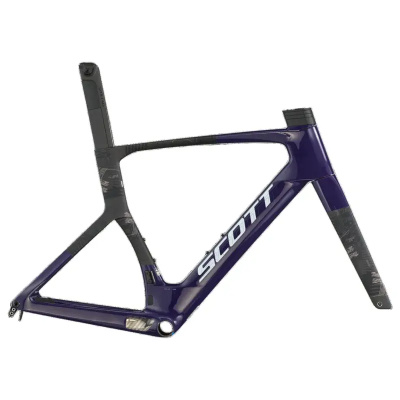
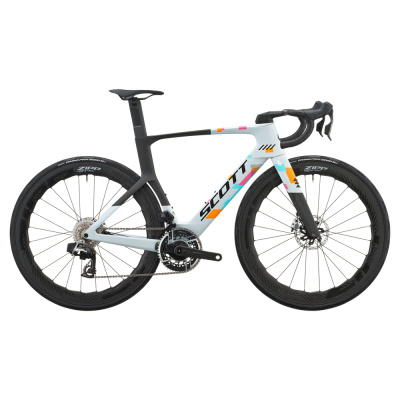
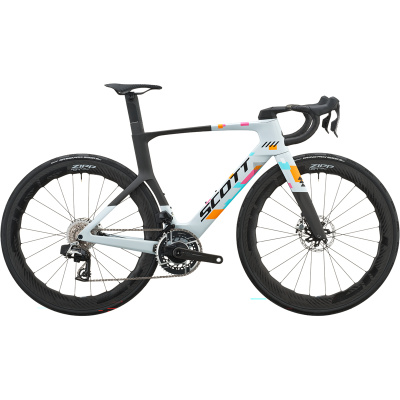
Scott Foil RC Team
Race-ready aero speed with genuine comfort and explosive sprint punch for tarmac podiums and personal bests.
- SRAM RED AXS wireless shifting with integrated power meter
- Zipp 303S carbon hoops: fast, stable, tubeless-ready
- Duncan SL Aero seatpost balances stiffness with compliance
- Integrated Syncros cockpit slices drag, cleans the front end
- Clears 30mm rubber for real-world road comfort
- Approximately 7.4 kg ready to race
Scott Foil RC Team Deals

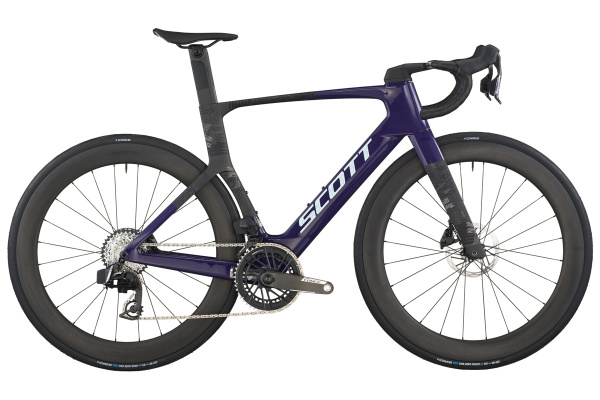
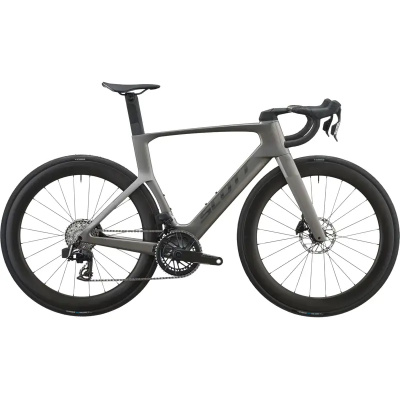
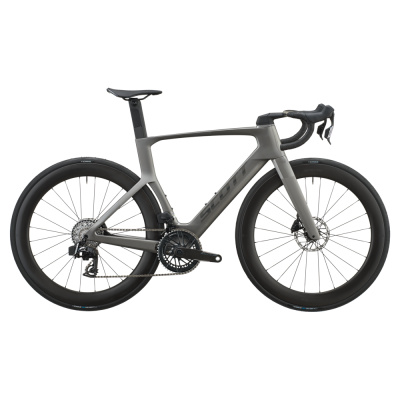
Prices and availability can change quickly. Delivery charges are not always included in listed prices.
Final price, stock status and delivery terms are set by retailer. We may receive a commission on purchases made.
Bikesy's Verdict
The Scott Foil RC Team is a proper race bike that doesn't ask you to suffer for speed. It's aerodynamically ruthless, light enough to climb with purpose, and stiff enough to sprint out of every corner - yet the ride quality won't leave you battered after a long effort. SRAM RED AXS with an integrated power meter, Zipp 303S carbon wheels, and a frame that balances wind-cheating efficiency with real-world comfort make this a package that works straight out of the box.
If your ambitions involve podiums, personal bests, or simply holding the wheel ahead when the pace lifts, the Foil RC Team will meet you there. It's not a bike for gravel detours or armchair comfort, but on tarmac - where it belongs - it's outstanding. Sharp handling, explosive acceleration, and a spec that's already sorted mean you can focus on riding fast rather than upgrading parts. This is a machine built to win, and it feels like it from the first pedal stroke.
Pros
- Exceptional aerodynamic efficiency without punishing ride quality
- SRAM RED AXS wireless shifting with integrated power meter
- Approximately 7.4 kg - light enough to climb, stiff enough to sprint
- Zipp 303S carbon wheels: fast, stable, tubeless-ready
- Sharp, predictable handling rewards committed cornering
Cons
- Race-focused geometry less forgiving if you're after all-day comfort
- 30 mm tyre clearance generous for road, limiting if you stray onto gravel
- Integrated cockpit beautiful but less flexible for fit adjustments
About the Scott Foil RC Team
Scott's Foil RC Team arrives as the sharpest expression of the brand's aero road philosophy: a bike engineered to win sprints, hold breakaways, and deliver WorldTour speed without the bone-rattling harshness that plagued earlier aero machines. Built around Scott's HMX carbon layup and refined through wind-tunnel hours, the Foil RC Team pairs slippery tube profiles with a seatpost that actually absorbs chatter. You're looking at a race bike that doesn't ask you to choose between watts saved and comfort preserved.
The frame weighs in around 945 grams for a medium, yet the complete build tips the scales at roughly 7.4 kilograms - light enough to dance up climbs, stiff enough to sprint out of every corner. SRAM's RED AXS drivetrain brings wireless precision and an integrated power meter, while Zipp's 303S carbon wheels strike the sweet spot between aerodynamic depth and crosswind manners. Schwalbe's PRO ONE Aero tyres, fitted at 28 millimetres, offer the grip and rolling speed modern road racing demands. It's a package that feels cohesive rather than cobbled together, every piece chosen to amplify the frame's intent.
This isn't a bike for Sunday pootles or gravel detours. The Foil RC Team exists to go fast on tarmac - criteriums, road races, long solo efforts where every watt counts. If your ambitions include podiums, personal bests, or simply holding the wheel ahead when the pace lifts, this machine will meet you there.
Scott Foil RC Team geometry
The Foil RC Team's geometry leans firmly into race-day aggression. Reach figures hover around 389 millimetres across the mid-sizes, paired with stack heights that drop you into a wind-cheating crouch without folding you in half. The head angle steepens as you size up - 72 degrees on a small, 73.3 on the XXL - which sharpens steering response and rewards committed cornering. You'll feel the bike pivot beneath you rather than lumber through transitions, a trait that pays dividends when you're chasing wheels or diving into technical descents.
Chainstays hold steady at 410 millimetres across every size, a short-ish measurement that snaps the rear end around and keeps power transfer immediate. When you stamp on the pedals out of the saddle, the frame doesn't wallow or flex - it just goes. The trade-off? Stability at very high speeds can feel a shade twitchier than longer-wheelbase endurance frames, though most riders adapt quickly and come to appreciate the nimbleness.
Stack grows predictably as you move up the size run, so taller riders won't feel cramped, but the overall posture remains low and forward. If you're used to an endurance bike's upright perch, expect a learning curve. Once you're dialled in, though, the position feels natural at speed: aerodynamic without being punishing, aggressive without locking your lower back into a vice. It's a geometry that assumes you're fit, focused, and ready to ride hard.
Component choices & upgrades
Out of the box, the Foil RC Team arrives with a spec that's already race-ready. SRAM's RED AXS groupset delivers crisp, wireless shifts and the integrated power meter means you're tracking effort from day one - no need to budget for an aftermarket crank or pedal system. The Zipp 303S wheels are tubeless-compatible, reasonably light, and aerodynamically sound; they'll serve you well through seasons of racing and fast club rides. Schwalbe's PRO ONE Aero tyres roll fast and grip predictably, though you might experiment with pressure to fine-tune comfort on rougher roads.
That said, if you're chasing marginal gains or have specific demands, a few thoughtful upgrades can sharpen the package further. Swapping to a deeper-section wheelset - say, a 60- or 80-millimetre rim - will shave seconds on flat time trials or windy solo efforts, though you'll sacrifice some crosswind stability and add a bit of weight. If your local roads are particularly rough or you're logging big miles, consider a slightly wider tyre - the frame clears 30 millimetres, so a 30C setup will smooth out chipseal without much rolling-resistance penalty.
The Syncros Belcarra saddle works for many riders, but saddles are deeply personal; if you're not comfortable after a few long rides, don't hesitate to swap in your preferred perch. Similarly, the integrated Syncros cockpit is beautifully clean and aero, but if you need a different reach or drop shape, aftermarket options exist - just be prepared for a more involved installation and potentially compromised cable routing. For most riders, though, the stock build is sorted. Save your money for race entries or a training camp; this bike doesn't need rescuing from mediocre parts.
Where the Scott Foil RC Team excels
The Foil RC Team is built for one thing above all: going fast on smooth to moderately rough tarmac. Road races, criteriums, time trials, and spirited club rides are its natural habitat. When the pace lifts and the group starts to fracture, this bike rewards every watt you put through the pedals. Its aerodynamic frame and wheels slice through the air, and the stiff rear end translates power into forward motion with minimal lag. Sprinting out of corners or holding a solo breakaway, you'll feel the bike working with you rather than sapping energy through flex or drag.
It climbs surprisingly well for an aero machine. The relatively low weight and efficient frame mean you won't be dropped on long ascents, and the sharp handling lets you pick lines and accelerate out of switchbacks. Descending is confident and composed - the bike tracks true at speed, and the hydraulic disc brakes offer plenty of modulation and stopping power, even in the wet. The Duncan SL Aero seatpost adds a layer of compliance that older aero bikes lacked, so you're not beaten up by road buzz on long efforts.
Where does it falter? Rough gravel, technical off-road sections, and ultra-endurance comfort are not its strengths. The geometry is race-focused, so if you're looking for an upright, all-day tourer or a bike to tackle bridleways and forest tracks, look elsewhere. The 30-millimetre tyre clearance is generous for a pure road racer, but it's not gravel-bike territory. And while the ride quality is improved over previous generations, this is still a stiff, responsive machine - if you prioritise plush comfort over speed, an endurance frame will suit you better. But if your goals involve racing, fast group rides, or personal bests on tarmac, the Foil RC Team is outstanding.
Scott Foil RC Team FAQs
What is the best tyre size for the Scott Foil RC?
The frame officially clears 30 millimetres, and that's the sweet spot for balancing comfort, grip, and rolling speed on real-world roads. The stock 28-millimetre Schwalbe PRO ONE Aero tyres are excellent, but if you're tackling rougher tarmac or want a touch more cushion on long rides, a 30-millimetre setup will smooth things out without much penalty. Going narrower than 28 millimetres offers minimal aero benefit and sacrifices comfort.
How does the Scott Foil RC compare to the Specialized Tarmac?
Both are top-tier race bikes, but the Foil RC leans harder into pure aerodynamics, while the Tarmac SL8 strikes a slightly more balanced all-rounder profile. The Foil's integrated cockpit and aero-focused tube shaping give it an edge in wind-tunnel numbers, but the Tarmac often feels a shade more planted and versatile across varied terrain. If you're chasing outright speed and race-day watts, the Foil is compelling; if you want one bike for racing, training, and the occasional sportive, the Tarmac's broader appeal might win you over.
Is the Scott Foil RC comfortable for long rides?
For an aero race bike, yes - it's notably more comfortable than older-generation aero machines, thanks largely to the Duncan SL Aero seatpost's compliance. You'll still feel road chatter more than on a dedicated endurance frame, but the Foil RC won't punish you on a four-hour sportive or long training ride. Fit 30-millimetre tyres, dial in your saddle position, and most riders find it manageable for extended efforts. Just don't expect armchair comfort; this is a race bike first.
What is the weight of the Scott Foil RC Team?
The complete bike weighs approximately 7.4 kilograms, with the frame alone coming in around 945 grams for a medium. That's impressively light for an aero road bike, making it nimble on climbs and responsive in sprints without sacrificing the stiffness needed for hard efforts.
What are the key aerodynamic features of the Scott Foil RC?
Scott's F01 AERO Tech shapes every tube and junction to minimise drag, with dropped seatstays that hug the rear wheel and an integrated Syncros cockpit that eliminates cable clutter. Internal routing keeps everything tucked away, and the frame's truncated airfoil profiles balance aerodynamic efficiency with structural stiffness. The Duncan SL Aero seatpost also contributes, blending slippery shaping with compliance.
What is the bottom bracket standard on the Scott Foil RC?
It uses SRAM's DUB PF ROAD 86.5 standard - a press-fit system designed for SRAM's DUB cranks. It's straightforward to service if you have the right tools, and it keeps the bottom bracket area stiff and low for efficient power transfer.
Can I fit wider tyres on the Scott Foil RC?
The frame officially clears up to 30 millimetres, so you've got room to move from the stock 28-millimetre rubber. A 30-millimetre tyre will fit comfortably and offer a bit more cushion and grip, especially on rougher roads. Going beyond 30 millimetres isn't advisable - you'll risk rub and compromise the bike's aerodynamic intent.
What is the intended use for the Scott Foil RC?
Road racing, criteriums, time trials, and fast group rides on tarmac. It's designed for riders who prioritise speed, aerodynamic efficiency, and race-day performance. If your goals involve podiums, personal bests, or holding wheels when the pace lifts, this bike is built for you. It's not intended for gravel adventures, touring, or ultra-endurance comfort.
Key Features & Benefits
- FOIL HMX carbon frame with F01 AERO Tech: Slices drag and saves watts without adding weight or harshness, so you stay fresher on long, fast efforts.
- Syncros Duncan SL Aero CFT seatpost: Blends aerodynamic shaping with vertical compliance, smoothing road chatter while keeping the rear end stiff for sprints.
- SRAM RED AXS 2×12 with integrated power meter: Wireless, precise shifting and real-time power data let you train smarter and race harder without extra hardware.
- Zipp 303S carbon wheels with Schwalbe PRO ONE Aero tyres: Fast-rolling, tubeless-ready hoops and grippy rubber balance aero speed with crosswind stability and real-world traction.
- Integrated Syncros Creston iC SL Aero cockpit: Clean, cable-free front end reduces drag and looks sharp, while internal routing keeps maintenance tidy.
Scott Foil RC Team 2024 & 2023 differences
The 2025 Foil RC Team continues the aerodynamic platform introduced in the 2022 redesign, with only minor refinements over the 2024 model. Both the 2024 and 2025 Team editions feature SRAM RED AXS electronic shifting, though the 2025 spec explicitly includes the integrated power meter as standard, whereas some 2024 builds left it as an optional upgrade. Wheel choice varies slightly: the 2025 model ships with Zipp 303S carbon hoops, while some 2024 Team builds used Syncros Capital wheels depending on region and retailer.
The 2023 Foil RC Pro (a step up from the Team in that year's hierarchy) featured Zipp 454 NSW wheels and a claimed weight of 7.22 kilograms, making it marginally lighter than the 2025 Team's 7.4-kilogram figure. Carbon layup and tube shaping remain consistent across 2023 - 2025, with the core aerodynamic design unchanged. The Duncan SL Aero seatpost and integrated Syncros cockpit have been standard since the 2022 overhaul, so ride quality and front-end integration are effectively identical across recent years. If you're considering a previous-year model, check the specific component spec - groupset tier and wheelset can vary - but the frame performance and geometry are stable across the 2023 - 2025 run.
Alternatives to Consider
Within Scott's own stable, the Addict RC offers a lighter, more climbing-focused alternative if pure weight and all-day comfort matter more than outright aero speed. It's less aggressive in posture and more forgiving on rough roads, though you'll sacrifice some of the Foil's slippery efficiency on flat, fast sections. For riders who race in the mountains or prefer a more versatile road bike, the Addict RC is the natural counterpoint.
Cross-brand, the Specialized S-Works Tarmac SL8 is the benchmark all-rounder that blends aero gains with climbing prowess and a slightly more planted ride feel. It's often praised for its versatility - fast enough for crits, light enough for cols, comfortable enough for long sportives. The Trek Madone SLR 7 Gen 8 leans harder into integration and adjustable compliance, with an IsoSpeed decoupler that lets you tune ride quality; it's a touch heavier but offers more comfort adjustability. The Cervélo S5 is a direct aero rival, known for its aggressive geometry and wind-tunnel pedigree, though some riders find it less forgiving on rough tarmac. For a slightly more accessible price point without sacrificing much speed, the Merida Reacto Team delivers impressive aerodynamics and a well-sorted build, often flying under the radar but punching above its weight in real-world performance. Each of these bikes trades blows with the Foil RC Team depending on your priorities - pure aero speed, climbing weight, comfort, or value - but the Scott holds its own in the upper echelon of race-ready tarmac machines.
Reviews
Aerodynamic efficiency stands out immediately: the Foil RC Team feels faster than the power you're putting down, especially when you're holding a steady tempo on flat roads or chasing a breakaway. That slippery frame and those Zipp 303S wheels work together to reduce drag in a way you can sense rather than just measure, and the integrated cockpit keeps everything tucked and clean. Sharp handling inspires confidence through technical sections - the bike pivots quickly, tracks true at speed, and rewards precise line choices.
Climbing performance surprises many riders expecting a pure aero machine to lumber uphill. The relatively low weight and stiff rear end mean the Foil RC responds crisply when you stand and accelerate, and the geometry keeps you balanced over the front wheel without feeling cramped. When the road tilts down, stability and control remain composed; the hydraulic disc brakes offer plenty of modulation, and the bike doesn't get skittish even when you're carrying serious speed into corners.
Comfort has improved markedly over older aero designs. The Duncan SL Aero seatpost absorbs enough road buzz to keep you fresh on long rides, and the 28-millimetre tyres (with room for 30s) strike a sensible balance between speed and cushion. It's not an endurance bike - you'll still feel rough patches - but it's far from punishing. SRAM RED AXS shifts with wireless precision, and the integrated power meter means you're tracking effort without bolting on extra hardware. Because the frame is so stiff laterally, sprinting feels immediate and explosive; every watt goes forward rather than flexing the bike beneath you.
On truly rough surfaces or extended gravel detours, the Foil RC's race-focused intent becomes clear. It's not designed for that, and while it won't fall apart, you'll wish for more tyre clearance and a slacker geometry. But on tarmac - smooth, chipped, or moderately rough - this bike excels. Fast group rides, road races, criteriums, and solo efforts all play to its strengths. The integrated cockpit looks stunning and works brilliantly, though fit adjustments are less flexible than a traditional stem-and-bar setup. For riders chasing speed, podiums, or personal bests on the road, the Foil RC Team delivers.
Full Specification
| Spec | Value |
|---|---|
| Frame | FOIL RC HMX Carbon |
| Frame Construction | Aero road race geometry with internal cable routing |
| Frame Features | Internal cable routing, replaceable derailleur hanger, drop seat stays, integrated cockpit design |
| Tyre Clearance | Up to 30mm |
| Bottom Bracket | SRAM DUB PF ROAD 86.5 |
| Rear Axle | Syncros SL Axle with removable lever |
| Frame Weight (approx, size M) | 945g |
| Drivetrain | 2x12 speed electronic |
| Shifters | SRAM RED AXS HRD Shift-Brake System |
| Rear Derailleur | SRAM RED AXS, 24 speed electronic |
| Front Derailleur | SRAM RED AXS electronic |
| Crankset | SRAM RED Power meter, 48/35 |
| Cassette | SRAM RED XG1290, 10 - 33 |
| Chain | SRAM RED |
| Brakes | Hydraulic disc brakes |
| Brake Levers | SRAM RED AXS HRD Shift-Brake System |
| Calipers | SRAM RED AXS HRD |
| Rotors (Front) | SRAM CENTERLINE XR, 160mm |
| Rotors (Rear) | SRAM CENTERLINE XR, 160mm |
| Wheels | Zipp 303S Carbon tubeless disc-brake |
| Rims (Internal Width) | Zipp 303S |
| Hubs (Front) | Integrated with Zipp 303S, Syncros SL Axle |
| Hubs (Rear) | Integrated with Zipp 303S, Syncros SL Axle |
| Tyres (Front) | Schwalbe PRO ONE Aero, TL-Easy, Fold, 700x28C |
| Tyres (Rear) | Schwalbe PRO ONE Aero, TL-Easy, Fold, 700x28C |
| Tubeless Ready | Yes |
| Handlebar | Syncros Creston iC SL Aero |
| Stem | Integrated with handlebar (Syncros Creston iC SL Aero) |
| Headset | Acros AIF-1138 |
| Seatpost | Syncros Duncan SL Aero CFT |
| Saddle | Syncros Belcarra V 1.0 NEO Cut Out |
| Weight (approx) | 7.4 kg |