
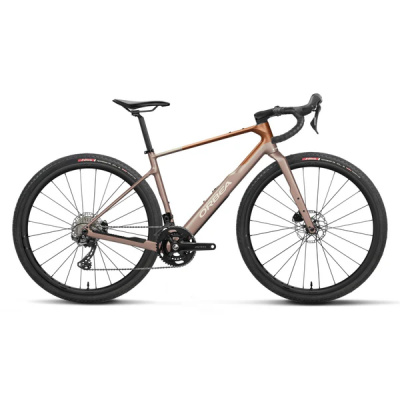
Orbea Terra Team
A gravel generalist that blends long-distance comfort, stable handling, and genuine versatility for riders who refuse to pick just one discipline.
- LOCKR XXL downtube storage: 35% more volume for spares
- 700×50mm tyre clearance: float over rough gravel
- Integrated carbon cockpit with GPS mount (2026)
- UDH compatibility: future-proof drivetrain swaps
- MyO customisation: tailor geometry, paint, and spec
- Relaxed 70° head angle: stable on loose descents
Orbea Terra Team Deals
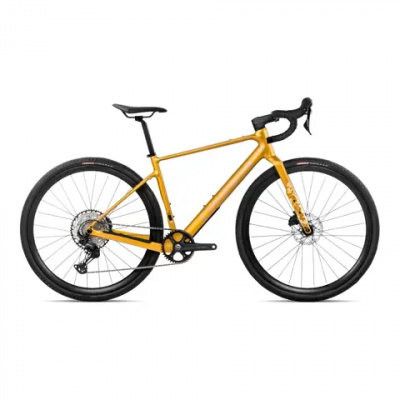
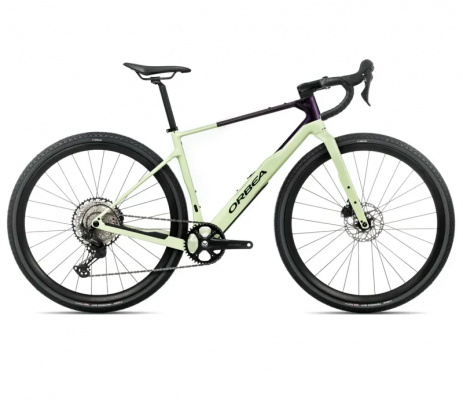
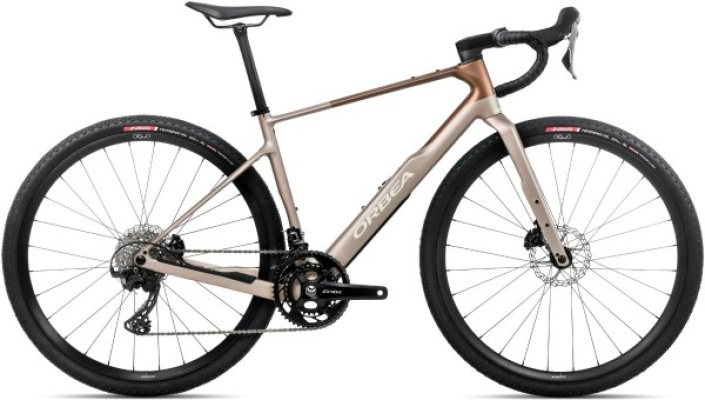
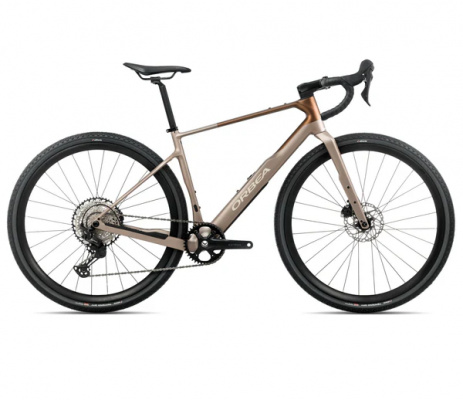
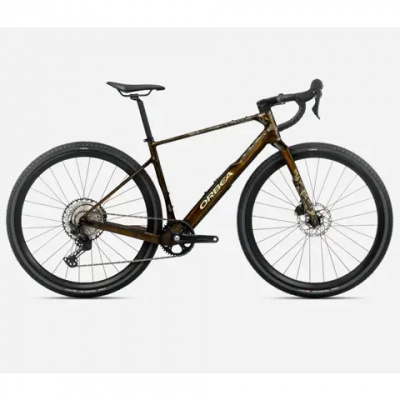
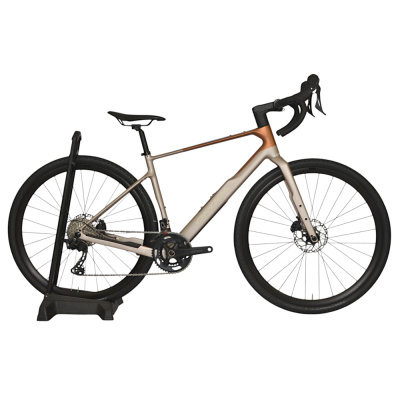
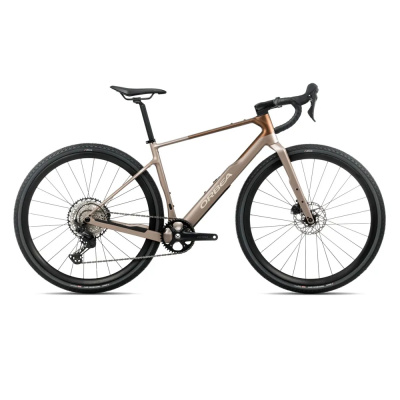
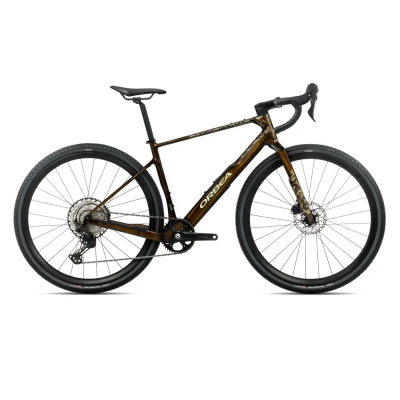
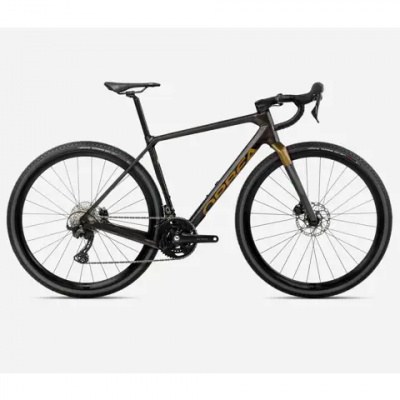
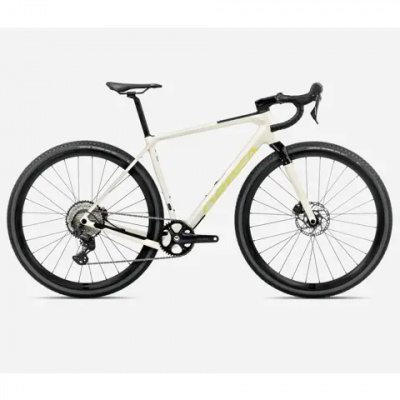
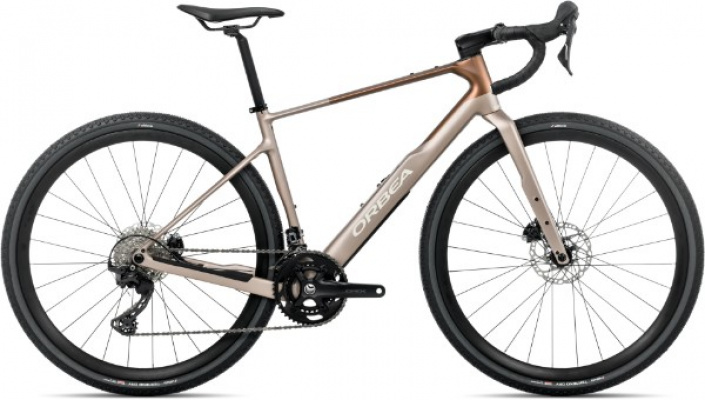
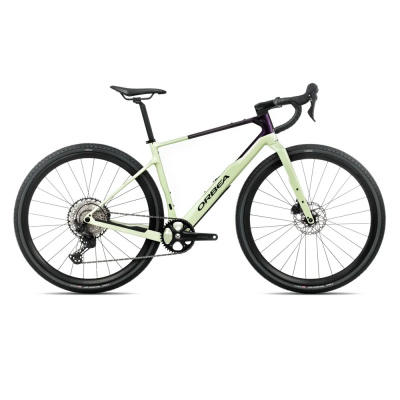
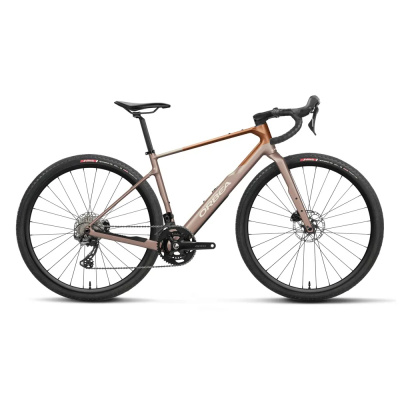
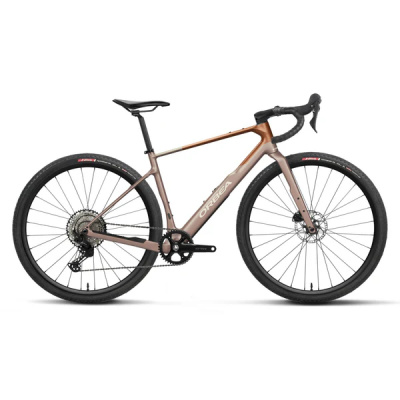
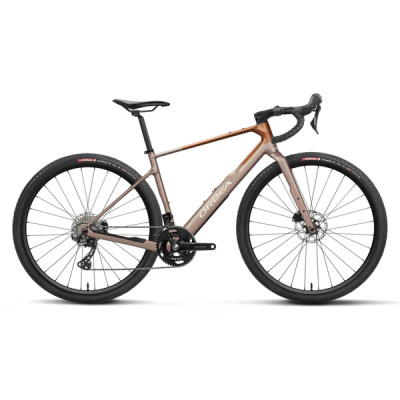
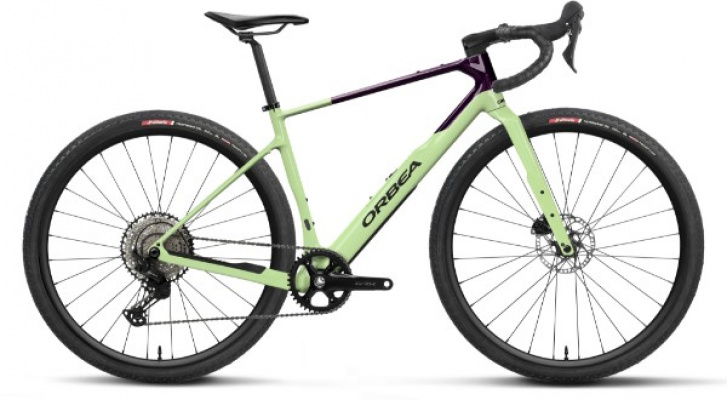
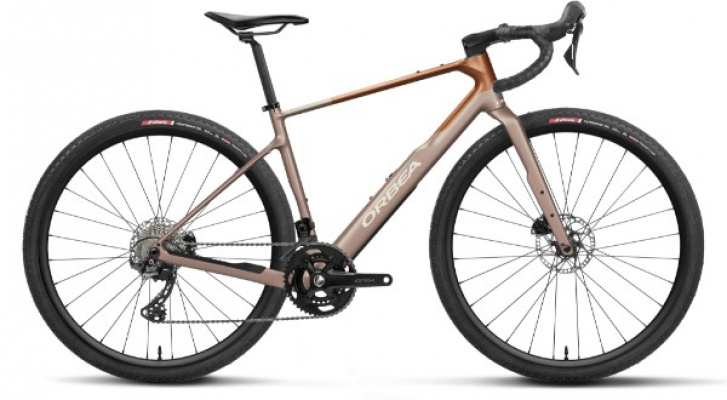
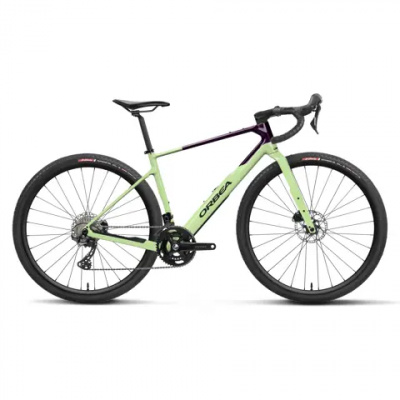
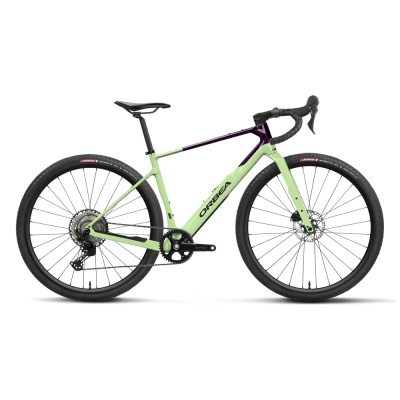
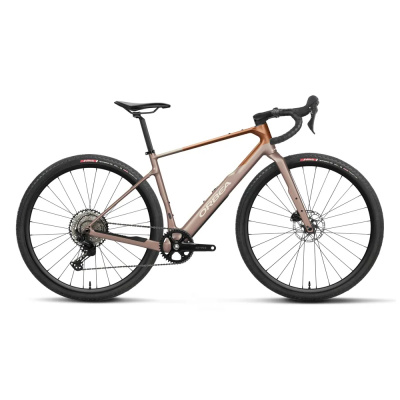
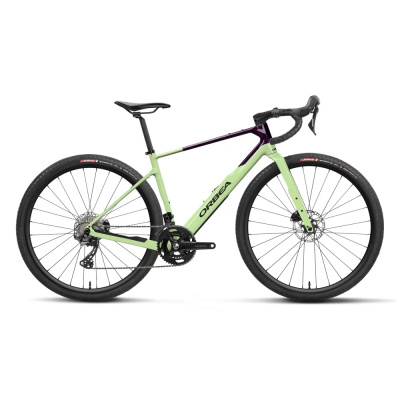
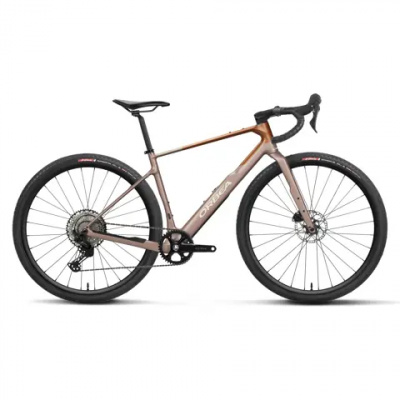
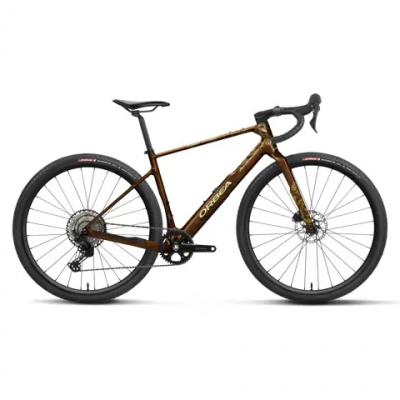
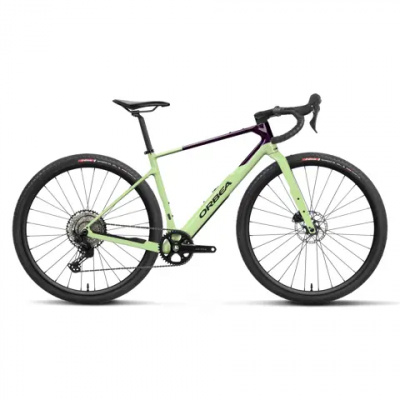
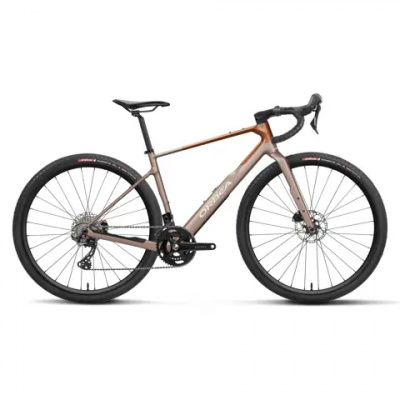
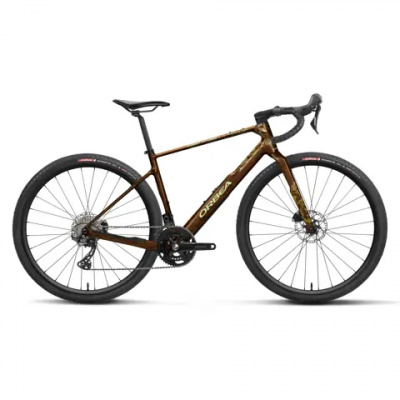
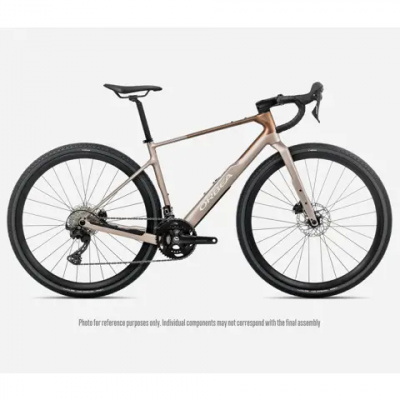
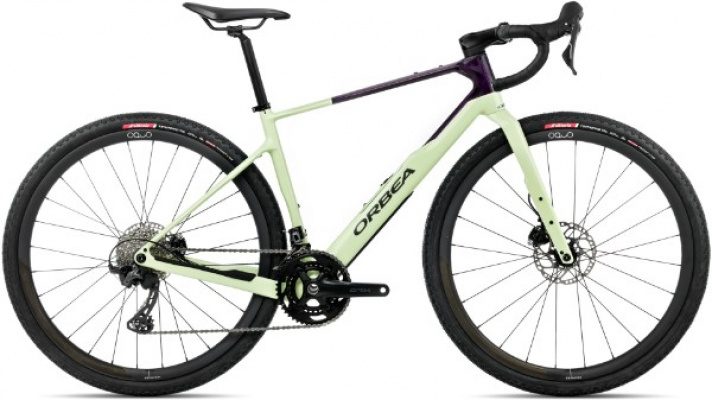
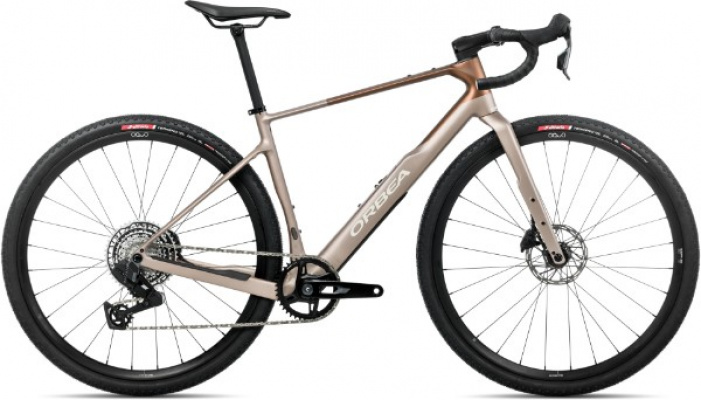
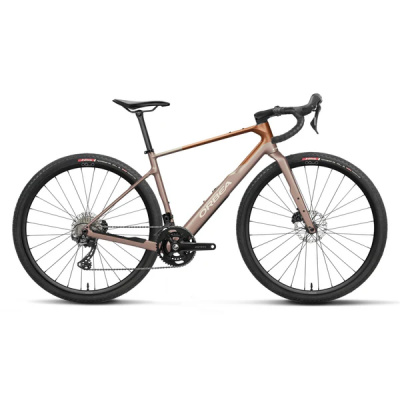
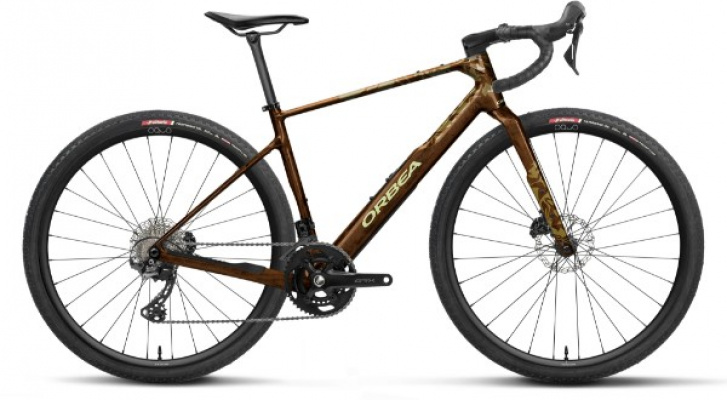
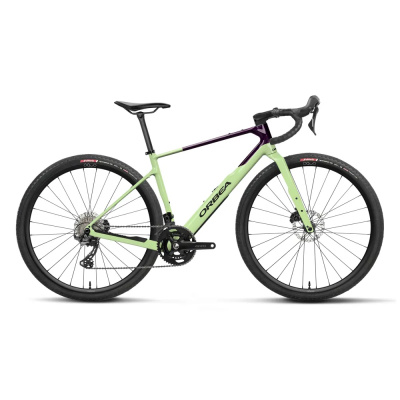
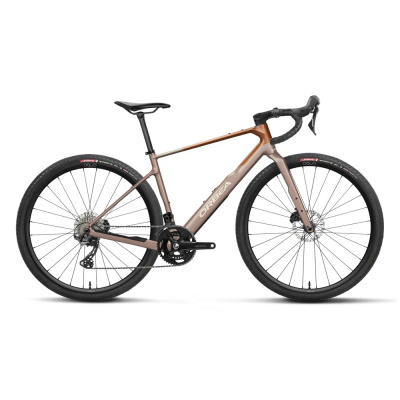
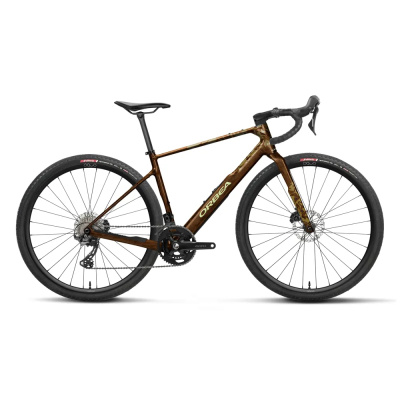
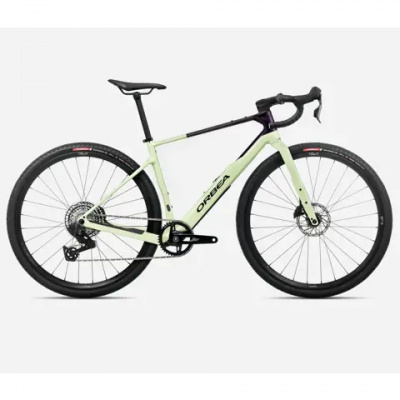
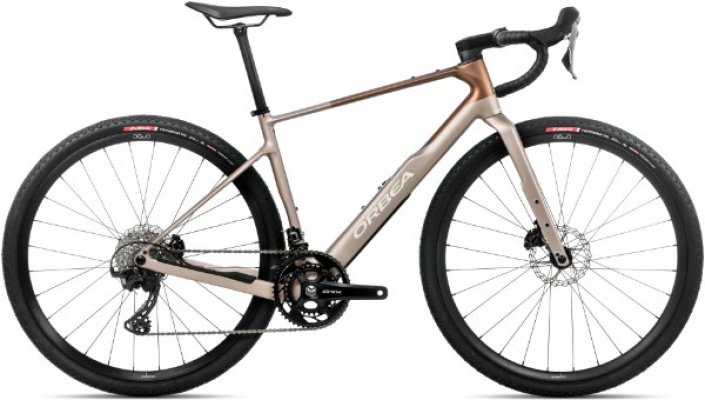
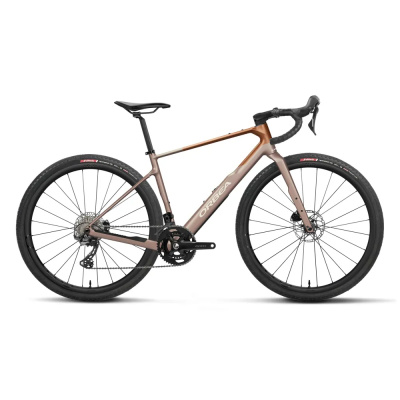

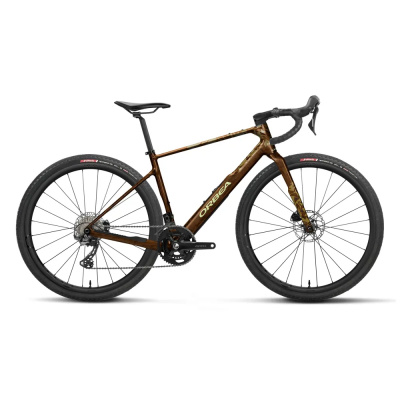
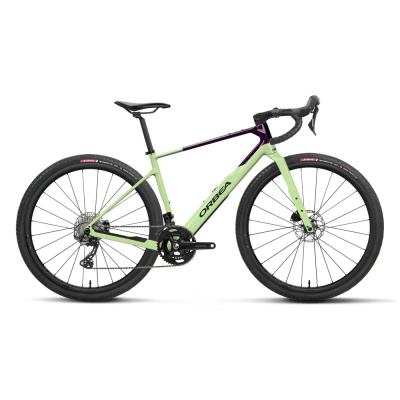
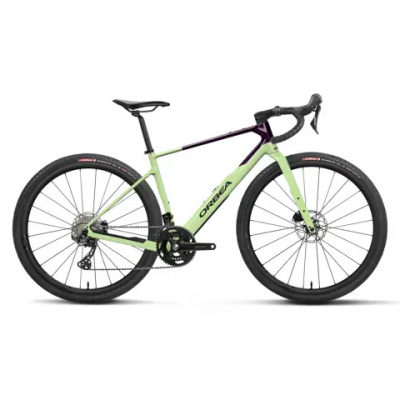
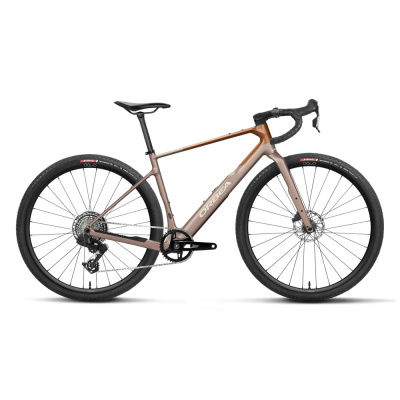
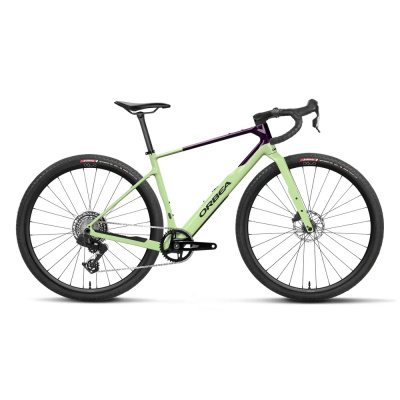
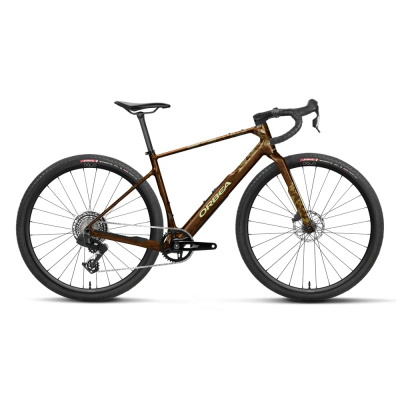
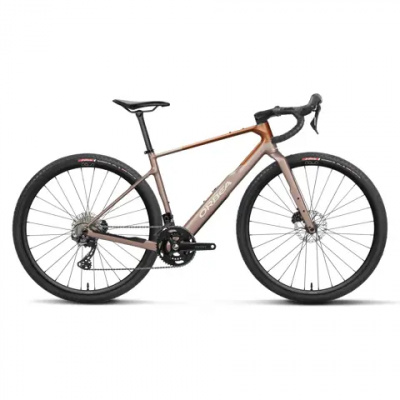
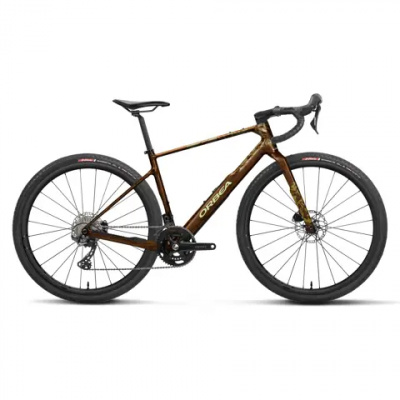
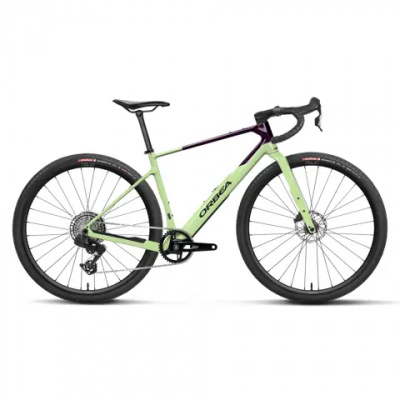
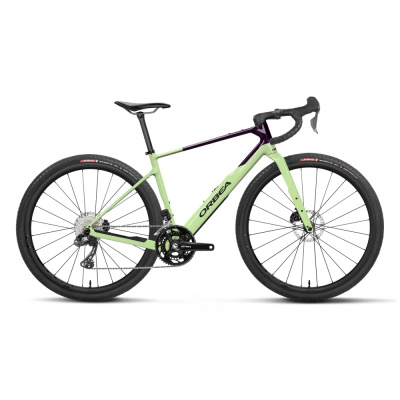
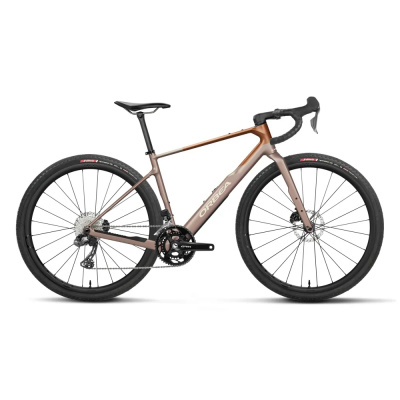
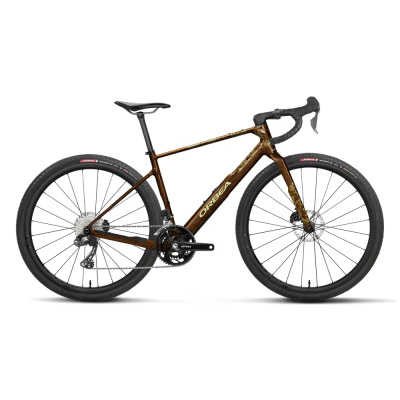
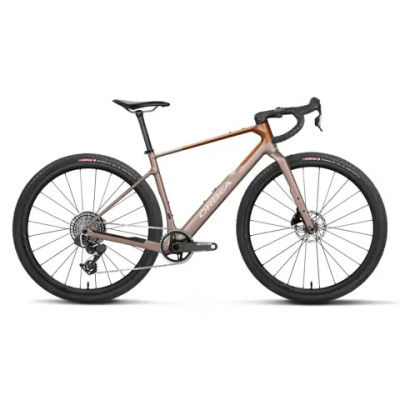
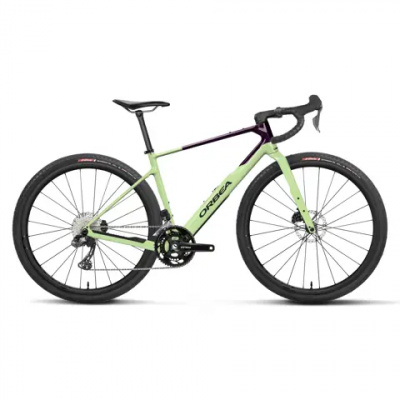
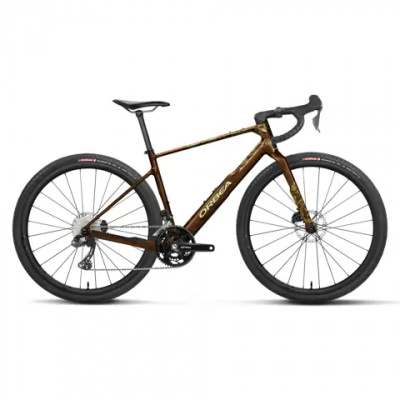
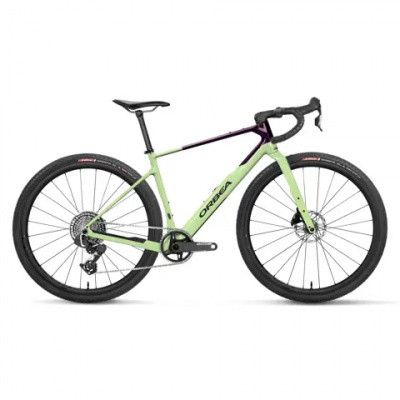
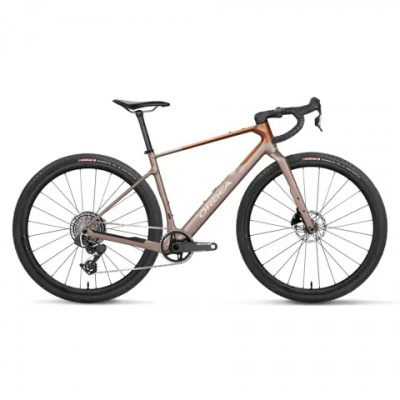
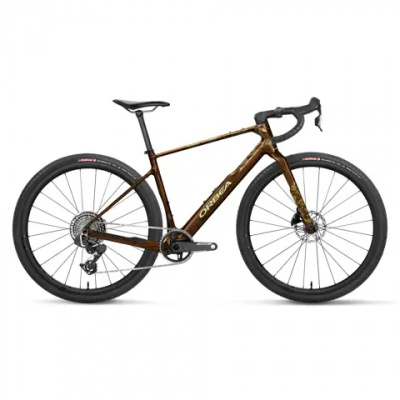
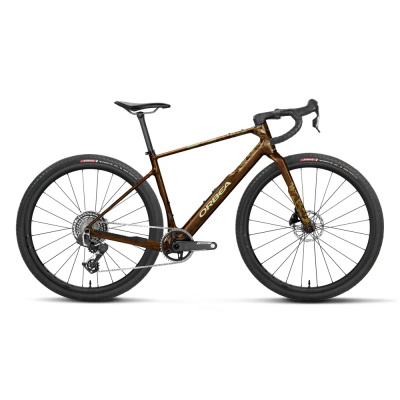
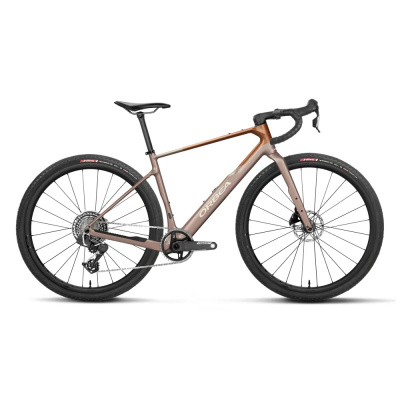
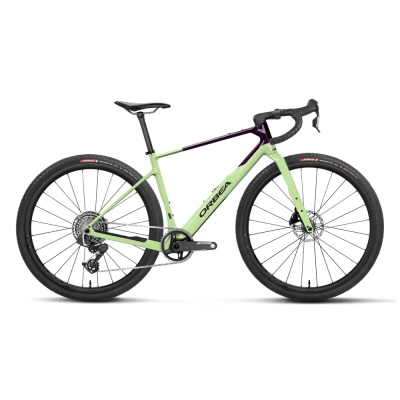
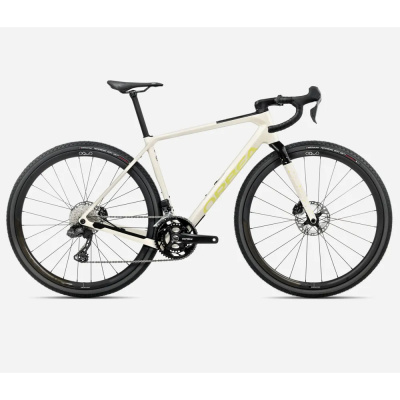
Prices and availability can change quickly. Delivery charges are not always included in listed prices.
Final price, stock status and delivery terms are set by retailer. We may receive a commission on purchases made.
Bikesy's Verdict
The Orbea Terra Team is the gravel bike you buy when you refuse to be pigeonholed. It's fast enough to keep pace on smooth gravel roads, capable enough to handle rough trails and technical descents, and practical enough to carry you through multi-day bikepacking trips without complaint. The 2026 redesign brings a longer, calmer geometry that rewards commitment on descents and inspires confidence on loose surfaces, while the LOCKR XXL storage and generous tyre clearance make it genuinely versatile.
It's not the lightest gravel racer, and if you're chasing podiums on smooth, fast courses, you might want something sharper. But for riders who value adaptability over outright speed - who want one bike that can handle everything from weekend adventures to midweek chain-gangs - the Terra Team is hard to fault. Orbea's MyO customisation lets you tailor the spec and fit before the frame's even built, and the UDH dropout means you're not locked into one drivetrain ecosystem. It's a bike that grows with you, and that's worth more than a few grams saved.
Pros
- Exceptional versatility: handles fast gravel, rough trails, and bikepacking with equal composure
- LOCKR XXL downtube storage keeps essentials secure and weight low
- Generous 700×50mm tyre clearance adapts to any terrain or season
- Stable, confidence-inspiring geometry with a relaxed 70° head angle
- MyO customisation lets you tailor spec, paint, and fit before the frame's built
- UDH compatibility future-proofs drivetrain upgrades
Cons
- Heavier than dedicated race gravel bikes if you're chasing podiums
- Stock alloy wheels are robust but add weight; carbon hoops sharpen the ride
- Less aggressive than pure race machines when speed trumps versatility
About the Orbea Terra Team
Orbea's Terra has always been the gravel bike that refuses to pick a lane - and that's precisely why it works. The 2026 model doubles down on that philosophy, blending long-distance comfort with enough snap to keep you honest on fast gravel roads. It's a bike that'll carry you through a weekend bikepacking loop, then show up for a midweek chain-gang without feeling out of place. The updated frame brings a longer reach, a calmer head angle, and a downtube storage cavity that's grown by a third, all wrapped in Orbea's OMR carbon layup that's been tuned to soak up chatter without going soggy under power.
What sets the Terra apart is its refusal to compromise on versatility. You get clearance for tyres up to 50mm, enough mounts to strap on mudguards or a third bottle cage, and Orbea's MyO configurator lets you spec everything from crank length to paint finish before the frame's even laid up. It's not the lightest gravel racer out there - the 2026 Terra Race variant tackles that brief - but the Team build strikes a sweet spot between capability and weight, coming in around 8.9 kg depending on spec. The ride character is best described as planted yet eager: stable enough to inspire confidence on loose descents, responsive enough that you won't feel like you're wrestling a barge when the road tilts up.
The 2026 redesign isn't a mild refresh. Orbea's stretched the wheelbase, slackened the head angle to 70 degrees, and paired that with a longer reach and shorter stem setup. The result is a bike that tracks beautifully through ruts and holds its line on fast, loose corners, but still climbs with enough urgency that you won't curse the geometry when the gradient kicks up. The integrated cockpit tidies up the front end, and the UDH dropout means you're not locked into one drivetrain ecosystem. It's a gravel bike that's grown up without losing its sense of adventure.
Orbea Terra Team geometry
The 2026 geometry is all about confidence at speed and composure when the surface turns nasty. That 70-degree head angle - relaxed by gravel standards - means the front wheel sits further ahead of you, giving the bike a longer wheelbase and a more stable platform when you're descending loose fire roads or threading through technical sections. You're not perched over the front axle like you would be on a cyclocross bike; instead, you're settled into a position that lets you weight the rear wheel and steer with your hips rather than constantly correcting at the bars.
Reach has grown across the range, and Orbea's paired that with shorter stem options to keep the cockpit from feeling stretched. The result is a riding position that's long enough to feel efficient on the flat but not so aggressive that you're fighting the bike when you need to shift your weight back. Stack is generous without being upright - you'll find a natural, slightly forward posture that works for long days without demanding the flexibility of a criterium racer. The 430mm chainstays are short enough to keep the rear end lively, but the longer wheelbase means the bike doesn't feel twitchy when you're loaded up with gear or pushing hard through a corner.
When you're climbing, the geometry doesn't fight you. The seat angle is steep enough to keep your weight over the cranks, so you're not sliding forward on the saddle or losing traction at the rear. On descents, that slacker head angle and longer front centre mean the bike stays calm even when the trail gets rowdy. You can lean into corners without the front wheel tucking, and the bike tracks predictably through loose gravel or mud. It's a geometry that rewards commitment rather than punishing hesitation.
Component choices & upgrades
The Terra Team arrives with a well-sorted build that's designed to handle the demands of mixed-terrain riding without needing immediate upgrades. Shimano's GRX groupset - whether you opt for the mechanical RX822 or the electronic Di2 variant - delivers reliable shifting and powerful hydraulic braking, and the wide-range cassettes (often 10-50t on 1× setups) give you enough gears to spin up steep climbs or push hard on the flat. The stock wheels are tubeless-ready alloy hoops with a 21mm internal width, which is sensible for the tyre sizes you'll likely run. They're not the lightest, but they're robust enough to take a beating on rough gravel and won't leave you stranded with a cracked rim.
That said, if you're chasing performance gains or your riding demands more, there are a few upgrade paths worth considering. The 2026 Terra Race models come with Orbea's own Oquo RP50 Ltd carbon wheels, which shed rotational weight and offer a noticeable improvement in acceleration and climbing response. If you're sticking with the Team build, a set of lighter carbon hoops - something in the 1,400 - 1,500g range - will transform the bike's feel without compromising durability. Pair those with a high-quality tubeless tyre like a Vittoria Terreno or Pirelli Cinturato, and you'll gain traction, comfort, and puncture resistance.
The stock handlebar is a narrow, flared design that works well for most riders, but if you're planning long bikepacking trips or prefer a wider stance for technical descents, swapping to a bar with more flare (16 degrees or greater) can improve control and comfort. The 27.2mm seatpost diameter is compatible with dropper posts, which is a worthwhile upgrade if you're tackling varied terrain and want the ability to drop your saddle on descents. Orbea's MyO program also lets you spec a power meter, different crank lengths, or upgraded finishing kit before the bike ships, which is a smarter route than retrofitting later. The stock build is more than capable, but these tweaks let you tailor the bike to your specific riding style without starting from scratch.
Where the Orbea Terra Team excels
The Terra Team is at its best on long, mixed-terrain rides where the surface changes every few kilometres. If your typical weekend involves linking tarmac lanes with gravel byways, dirt tracks, and the occasional stretch of singletrack, this is the bike that'll handle it all without feeling like a compromise. It's fast enough on smooth gravel to keep pace with dedicated race bikes, but the generous tyre clearance and compliant frame mean you can fit wider rubber and float over rough sections that would rattle a stiffer machine. The LOCKR storage system is a genuine asset for self-supported rides - you can stash a spare tube, CO2, and a multi-tool inside the downtube, keeping your jersey pockets free and your weight low.
It's also an excellent choice for bikepacking. The frame has mounts for three bottle cages, mudguards, and top-tube bags, and the stable geometry means the bike doesn't get skittish when you're carrying a load. The longer wheelbase and relaxed head angle keep the handling predictable even with a full frame bag and saddlebag, and the wide tyre clearance lets you run lower pressures for comfort and traction on rough trails. If you're planning multi-day adventures that mix fast gravel roads with technical descents, the Terra Team has the versatility to handle it.
Where it's less ideal is pure gravel racing at the sharp end of the field. While the 2026 Terra Race variant addresses this with a lighter build and more aggressive geometry, the Team model is slightly heavier and less race-focused. If you're chasing podiums on fast, smooth courses, you might find bikes like the Cervélo Áspero or Specialized Crux offer a more aggressive edge. Similarly, if you're planning ultra-distance events on mostly smooth gravel, a lighter, more aero-focused machine might suit you better. But for riders who value versatility over outright speed, or who want one bike that can do it all, the Terra Team is hard to beat.
Orbea Terra Team FAQs
What is the tyre clearance on the Orbea Terra?
The 2026 model clears tyres up to 700×50mm, or 650b wheels with 50mm rubber. That's enough room to run a fast, low-volume tyre for smooth gravel or a wider, more compliant option for rough trails. With mudguards fitted, clearance drops to 700×35mm, which is still generous for year-round riding.
Can you fit mudguards and racks on the Orbea Terra?
Yes, the frame has dedicated mudguard mounts and multiple bottle-cage bosses, including one under the downtube. There are also top-tube mounts for bags and fork mounts for additional carrying capacity. It's well-equipped for commuting, touring, or bikepacking without needing aftermarket solutions.
What type of bottom bracket does the Orbea Terra use?
The frame uses either a PF30 or BB386EVO bottom bracket, depending on the specific build. Both are press-fit standards that allow for a stiffer, lighter frame design, though they require proper installation and maintenance to avoid creaking.
How much does the Orbea Terra weigh?
Weight varies by build, but the Team model typically comes in around 8.9 kg. The 2026 Terra Race with SRAM Red XPLR drops to 7.7 kg, while earlier models with heavier wheels or mechanical groupsets can push closer to 9 kg. Frame weight for a medium is approximately 1,030g.
Is the Orbea Terra good for bikepacking?
Absolutely. The stable geometry, generous tyre clearance, and multiple mounting points make it an excellent bikepacking platform. The LOCKR downtube storage is particularly useful for carrying essentials without cluttering your frame, and the bike handles predictably even when loaded with gear.
What is the Orbea Terra's geometry like?
The 2026 geometry is designed for stability and confidence on mixed terrain. The 70-degree head angle and longer wheelbase keep the bike calm on descents and in corners, while the longer reach and shorter stem setup maintain an efficient climbing position. It's not as aggressive as a pure race bike, but it's more capable on rough terrain.
What are the key differences between Orbea Terra models?
The 2026 redesign brought a new frame with longer reach, slacker head angle, increased tyre clearance, and the larger LOCKR XXL storage system. The Terra Race variant focuses on lighter weight and race-oriented geometry, while the Team model prioritises versatility and all-day comfort. Earlier models had tighter tyre clearance and shorter wheelbases.
Is the Orbea Terra a good gravel race bike?
The Terra Team is capable in gravel races, especially on technical or varied courses, but it's not a pure race weapon. The 2026 Terra Race is the better choice if you're focused on competition, with a lighter build and more aggressive geometry. The Team model excels in events that reward versatility and endurance over outright speed.
Key Features & Benefits
- LOCKR XXL internal downtube storage: Carry spares, tools, and a pump inside the frame, keeping your pockets free and weight centralised for better handling
- 700×50mm tyre clearance: Run wide, compliant rubber for rough trails or fast, narrow tyres for smooth gravel - one frame adapts to every ride
- Relaxed 70° head angle and longer wheelbase: Stable, predictable handling on loose descents and technical sections, even when loaded with bikepacking gear
- UDH (Universal Derailleur Hanger) compatibility: Swap between SRAM, Shimano, or future drivetrains without worrying about proprietary hangers or compatibility headaches
- Orbea MyO customisation program: Tailor paint, components, crank length, and cockpit setup before the bike ships, so it fits your riding and aesthetic from day one
Orbea Terra Team 2025, 2024 & 2023 differences
The 2026 model represents a complete redesign. The frame geometry was overhauled with a longer reach, shorter stem options, a relaxed 70-degree head angle (down from 71 degrees on the 2025 M size), and an increased wheelbase for improved stability. Tyre clearance grew from 700×45mm to 700×50mm, and the LOCKR internal storage system was upgraded to LOCKR XXL, offering 35% more volume. The 2026 model also introduced UDH (Universal Derailleur Hanger) compatibility, an integrated carbon cockpit with GPS mount, and enhanced vibration damping through revised carbon layup. The Terra Race variant was launched as a lighter, more race-focused option.
The 2025 and 2024 models shared similar specifications, with OMR carbon frames, LOCKR storage, and tyre clearance up to 700×45mm. Builds included Shimano GRX RX822 (1×12) and GRX RX820 (2×) or SRAM Rival AXS options. The 2024 M20iTeam featured GRX 825 Di2. The 2023 model continued the second-generation Terra platform introduced in 2022, which brought updated geometry, the original LOCKR storage system, and increased tyre clearance to 700×45mm or 650b×50mm. The 2022 frame weighed approximately 1,030g for a medium. Earlier 2021 models were evolved from Orbea's cyclocross platform and offered less tyre clearance and fewer adventure-focused features.
Alternatives to Consider
Within Orbea's own range, the Terra Race is the obvious step up if you're chasing lighter weight and more aggressive geometry - it sheds over a kilogram and comes with carbon Oquo wheels and higher-tier drivetrains like SRAM Red XPLR. If you want something more adventure-focused and less race-oriented, Orbea doesn't offer a direct alternative, but their road-oriented Orca Aero or endurance-focused Avant models serve different briefs entirely.
Cross-brand, the Specialized Diverge Expert Carbon is a close peer, offering Future Shock suspension for added compliance and a similarly versatile geometry, though it's slightly more comfort-biased. The Cervélo Áspero GRX is sharper and more race-focused, with a stiffer frame and more aggressive position - it's faster on smooth gravel but less forgiving on rough trails. The Cannondale Topstone Carbon 2 brings Kingpin rear suspension for extra comfort, making it a strong choice if you prioritise plushness over outright stiffness, though it's heavier and less responsive on climbs. The Giant Revolt Advanced 1 offers excellent value with a similar all-rounder ethos, though it lacks the Terra's internal storage and customisation options. Finally, the Salsa Warbird Carbon GRX 600 leans harder into adventure and bikepacking, with a longer wheelbase and more relaxed geometry, but it's less nimble on technical terrain and slower on the flat. The Terra Team sits neatly in the middle, offering more versatility than the race bikes and more performance than the pure adventure machines.
Reviews
Longer reach and a calmer front centre bring poise to descents without sacrificing climbing efficiency. The 70-degree head angle keeps the front wheel tracking predictably through loose gravel and ruts, and the bike holds its line in fast corners even when you're carrying a load. When the gradient kicks up, the steep seat angle keeps your weight over the cranks, so you're not sliding forward or losing traction at the rear.
Compliance is excellent. The OMR carbon layup and slim top tube absorb high-frequency chatter from rough gravel and chipseal, and the 27.2mm seatpost adds another layer of comfort without feeling flexy under power. Fit wider tyres - 40mm or more - and the bike floats over surfaces that would rattle a stiffer machine. We appreciate the way the frame balances vibration damping with stiffness where it matters: the bottom bracket and head tube are solid, so power transfer stays crisp and steering stays precise.
The LOCKR XXL storage is genuinely useful. You can fit a spare tube, CO2, a multi-tool, and even a small pump inside the downtube, which keeps your jersey pockets free and your weight low. It's a practical feature that makes a real difference on long rides or bikepacking trips. The integrated cockpit on the 2026 model tidies up the front end and includes a GPS mount, which is a thoughtful touch.
Stock wheels are robust but heavy. Upgrading to lighter carbon hoops sharpens the bike's acceleration and climbing response noticeably. The Shimano GRX groupset is reliable and well-suited to the bike's character, with smooth shifting and powerful braking. Because the geometry is so stable, the bike feels composed even when you're pushing hard on technical descents or navigating loose corners. It's not the lightest gravel bike out there, but the weight is well-distributed, and the handling inspires confidence.
Full Specification
| Frame Material | Orbea OMR Carbon (monocoque) |
| Fork | Orbea Terra ICR full carbon, tapered steerer |
| Drivetrain | 1x12 Shimano GRX RX822 (45t crank, 10-50t cassette) |
| Shifters | Shimano GRX |
| Rear Derailleur | Shimano GRX RX822 GS |
| Crankset | Shimano GRX RX822, 45t |
| Cassette | 10-50t |
| Brakes | Shimano GRX hydraulic disc |
| Wheels | Alloy, tubeless-ready, 700c, 21c internal width |
| Hubs | Shimano RS470 |
| Tyres | Vittoria Terreno Dry CX-Gravel G2.0 TNT 700x38c |
| Handlebar | Easton EC90 AX Carbon, 16° flare |
| Seatpost | OC Performance XP10 Carbon, 27.2mm, zero setback |
| Headset | FSA 1-1/2" integrated aluminium cup |
| Bottom Bracket | PF30 |
| Rear Axle | Thru-axle 12x142mm |
| Tyre Clearance | 700x50mm (650bx50mm) |
| Frame Storage | LOCKR XXL internal downtube storage |
| Bottle Cage Mounts | Three (two main triangle, one under downtube) |
| Mudguard Mounts | Yes (frame and fork) |
| Approximate Weight | 8.9 kg |