
Rule 28 Bib Shorts
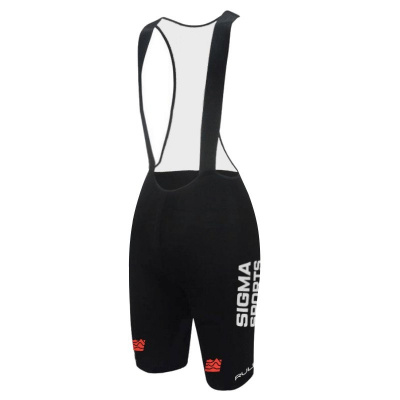
Rule 28 Bib Shorts are built for one thing: free speed. This isn't kit you throw on for a Sunday potter - it's race-day armour for riders chasing podiums, PRs, and every marginal gain they can squeeze from fabric. Rule 28 specialise in aerodynamic efficiency, and these bibs deliver it through textured panels that manipulate airflow over your thighs, reducing drag at the speeds where it actually matters - think 40kph-plus efforts in time trials, criteriums, and road races. The compressive race fit locks you in tight, holding muscle groups stable through the drops or on the TT bars, while the high-density chamois keeps you comfortable enough to stay aero for the duration. You're trading a bit of casual-ride ease for measurable watt savings, and if you're lining up at the start line rather than the café, that's a trade worth making. These are UCI legal, wind tunnel tested, and designed to slot into Rule 28's full aero system alongside their base layers for a head-to-toe drag-reduction package.
Prices and availability can change quickly. Delivery charges are not always included in listed prices.
Final price, stock status and delivery terms are set by retailer. We may receive a commission on purchases made.
Aerodynamic Fabric Technology
The headline act here is boundary layer manipulation. Rule 28 use textured fabrics on the lateral thigh panels - think golf ball dimples translated to lycra - that trip the airflow as it passes over your legs. At lower speeds it's negligible, but once you're north of 40kph the effect kicks in: the textured surface creates tiny vortices that delay flow separation, keeping the air attached longer and reducing the turbulent wake that drags you back. It's the same principle used on Formula 1 bodywork and swimsuit tech, just tailored for the pedalling position.
The proprietary drag-reduction fabrics aren't just about texture, either. The weave density and compression work together to smooth out muscle oscillation, which itself generates micro-turbulence. You won't feel the difference standing in the shop, but on a flat-out 10-mile TT or a breakaway effort on a dual carriageway, those watts add up. Rule 28 claim measurable gains in wind tunnel testing, and while we haven't personally stuck these in a tunnel, the science checks out - and the feedback from time triallists who've switched over backs it up.
Are aero bib shorts worth it? If you're racing or riding at sustained high speeds, yes. The textured panels and compressive cut deliver tangible drag reduction that translates to faster times for the same power output. For club runs under 30kph or winter base miles, you're better off with something more forgiving - but for race day, this is where the gains live.
Race-Fit Compression and Sizing
These are tight. Properly tight. Rule 28 use race-tuned compressive lycra that's designed to hold everything in place when you're folded over the bars, not when you're standing upright at the coffee stop. The leg grippers are firm, the bib straps sit close, and the torso length is cut shorter than your average sportive short - because you're not meant to be upright in them. When you're in the drops or locked into a TT position, the fit makes sense: no fabric bunching, no sagging chamois, just a second-skin feel that stays put through 200-watt efforts.
How do Rule 28 bib shorts fit? They run true to size but with a strict race cut. If you're between sizes or prefer a less restrictive fit for training, size up. The compression is deliberate - it stabilises muscle groups and reduces vibration - but it's not for everyone. Think of these as race kit, not all-day comfort shorts.
The leg length is also shorter than brands like Assos or Castelli, which can catch you out if you're used to mid-thigh coverage. It's a deliberate aero choice - less fabric, less drag - but it does mean tan lines and a slightly more aggressive silhouette. Not a problem if you're pinning a number on, but worth considering if you're after something more versatile.
Chamois Tech and Saddle Stability
The pad is firm. Denser than your typical endurance chamois, it's designed to support the pelvic rotation required for aggressive aero positions without compressing into a useless pancake under sustained pressure. When you're tilted forward on a TT saddle or holding the drops for a long pull, the chamois keeps contact pressure distributed across the sit bones and perineum without causing numbness or hotspots. It's not plush - don't expect sofa-like cushioning - but it's stable, and that's what matters when you're chasing seconds.
The chamois placement is also tuned for forward rotation. If you're sitting bolt upright on a hybrid, it'll feel too far back, but drop into a race position and it locks into place exactly where you need it. The edges are laser-cut and bonded rather than stitched, so there's no seam chafe on the inner thigh - a small detail that makes a big difference over 40-mile efforts.
Saddle stability is key here. The compressive fit and high-density pad work together to minimise friction and movement, which is critical when you're holding a static aero tuck for extended periods. You won't shift around on the saddle, and the pad won't bunch or migrate. It's a race-day chamois, not a gran fondo one, and that focus shows.
The Rule 28 Aero System
Rule 28 don't just make bibs in isolation - they've built an entire aerodynamic ecosystem. The shorts are designed to interface seamlessly with their aero base layers, which feature similar textured panels on the arms and torso, and their aero socks, which extend the trip strip effect down to the ankles. Wear the full kit together and you're maximising the boundary layer manipulation across your entire body, rather than leaving gaps where smooth fabric undoes the work.
What's the difference between Rule 28 road and track bibs? While both prioritise drag reduction, track-specific versions often feature a slightly different chamois placement suited for steep banking and extreme tuck positions. The road bibs, though, are versatile enough for high-speed criterium racing, time trials, and flat-out road race efforts - anywhere you're holding sustained speed above 35kph.
The brand heritage is rooted in time trial obsession, and it shows. Rule 28 emerged from the UK TT scene, where every second counts and marginal gains aren't marketing fluff - they're the difference between a podium and fourth place. That focus on measurable performance rather than all-day comfort means these bibs won't suit everyone, but if you're lining up for a 10 or 25, or chasing a breakaway on a fast road race, they're hard to beat.
Compared to Bioracer or Le Col, Rule 28 are more single-minded - less versatile, more specialised. If you want one pair of bibs for everything, look elsewhere. But if you want race-day speed and you're willing to sacrifice a bit of casual comfort for it, these deliver.
Practicalities and Trade-Offs
The compressive fit and shorter torso length mean these aren't ideal for long, steady endurance rides where you're sitting up more often. They're race kit, plain and simple. The chamois is firm enough that some riders find it uncomfortable on rides over four hours, especially if you're not holding an aggressive position the whole time. If you're after all-day plush, something from Endura or Santini will suit better.
The textured panels are also more fragile than smooth lycra. Catch them on a Velcro strap or a rough saddle edge and you'll snag the fabric more easily than you would with traditional weaves. They're durable enough for racing, but treat them carefully in the wash - cold water, no fabric softener, air dry.
Leg gripper tightness can be an issue if you've got larger thighs or prefer a looser fit. The silicone bands are firm, and while they don't ride up, they can leave marks after long efforts. Size up if you're concerned, but know that you'll sacrifice a bit of the aero benefit if the fabric isn't sitting tight to the skin.