
Balfes E-Bikes
Balfes E-Bikes sit at the serious end of the electric bike market - this isn't a range padded out with budget commuter specials and entry-level motors. What you get is a focused, well-curated selection of machines built around proven mid-drive systems from Bosch, Shimano, and Specialized, covering everything from full-fat e-MTBs that'll winch you up the gnarliest Peak District climbs to lightweight hybrids that make the daily commute genuinely enjoyable rather than a sweaty ordeal.
The range spans aggressive trail and enduro-oriented bikes with torque outputs north of 85Nm, lighter super-light motor platforms for riders who want assistance without the bulk, and urban-focused electric bikes where seamless battery integration and reliability matter most. Trim levels run from Comp builds - solid spec, sensible weight - up through Expert and Pro configurations where carbon frames, higher-spec suspension, and refined motor tuning start to appear.
For UK riders, that breadth matters. You're not shopping for one kind of ride. You might need mud clearance and IPX-rated electronics for a Welsh trail centre in November, or a discreet integrated battery for locking up in a city centre. Balfes covers both ends, and most of what sits between.
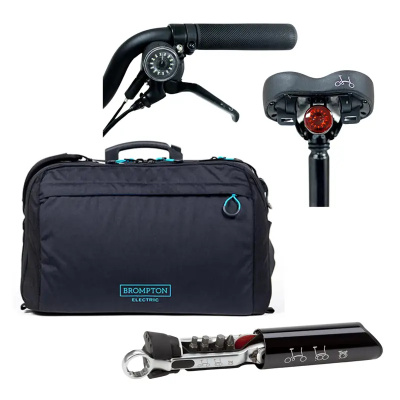
Prices and availability can change quickly. Delivery charges are not always included in listed prices.
Final price, stock status and delivery terms are set by retailer. We may receive a commission on purchases made.
Decoding the Balfes E-Bike Lineup
The range breaks into three broad families, and knowing which one fits your riding stops you spending money on motor you'll never use - or skimping on power you'll definitely miss. Full-power e-MTBs anchor the top of the range. These run high-torque mid-drive motors, slack e-MTB geometry, and longer-travel suspension: bikes set up for steep, technical riding where you want instant grunt out of a loose corner or a rooty punch up a brief but vicious climb. If your rides regularly involve carrying the bike over gates or pushing it up anything, the extra weight is a trade-off worth making.
Below that sits the super-light category - bikes using platforms like the Specialized SL 1.2 motor, which weighs roughly half what a full-power unit does and produces a subtler assist. The ride feel is closer to an unassisted bike; the motor takes the edge off without doing all the work. For riders moving between club rides and solo days where a bit of help on the long drag home would be welcome, this is the category to focus on. Worth noting: the reduced torque means they're less suited to very steep, loose climbing - they reward a smoother, more consistent pedalling style.
Urban and hybrid models round out the range. These prioritise range, comfort geometry, and low-maintenance drivetrains over outright performance. Removable integrated batteries - including Trek's RIB system on compatible models - mean you can pull the pack out and charge it at your desk rather than running a cable to the bike. Practical detail, but one that makes a real difference to everyday use.
Trim levels follow a consistent pattern across brands. Comp builds use alloy frames, mid-range suspension, and aluminium components - capable, heavier, and the most affordable way into each motor platform. Expert and Pro builds introduce carbon framesets, higher-spec forks, and better brakes; the jumps in price reflect genuine performance differences rather than badge upgrades. If you're comparing a Comp to a Pro on the same motor, ride the Comp first - some riders find the extra spend hard to justify unless they're already pushing the limits of the cheaper bike's components.
The Tech Philosophy: Motors and Integration
Motor choice shapes how a bike rides more than almost any other single factor, so it's worth understanding what each platform actually does rather than just reading the spec sheet.
The Bosch Performance Line CX is the benchmark for full-power trail and enduro e-MTBs. Its torque output is high and the power delivery is immediate - you feel it the moment you start pedalling hard. The Bosch Smart System integration adds a layer of connectivity: the motor, battery, and display talk to each other, with data available through the Kiox or Purion displays or via your phone. It's a mature, well-sorted system that's earned its reputation through reliability as much as performance. The trade-off is weight and the slightly mechanical sensation at the top of the assist range, which some riders notice on technical singletrack where feel through the pedals matters.
The Shimano EP8 takes a different approach. The power delivery is smoother and more progressive, and the motor itself is lighter and more compact. Riders who find the Bosch CX too aggressive in its response - particularly on technical climbs where traction is marginal - often prefer the EP8's more measured character. It's also slightly quieter under load, which is a small but real thing when you're trying to hear what your tyres are doing on loose rock. Both systems support pedal assist modes from a basic on/off toggle up to fine-tuned power curves you can adjust through an app.
Frame integration has improved significantly. Bikes using Trek's RIB (Removable Integrated Battery) system route the pack inside the down tube but let you slide it out without tools - important for charging and for reducing theft risk when you're parking up. The overall silhouette stays close to a conventional bike, which matters if you care about how the thing looks leaning against the van. Specialized's SL platform takes this further: the smaller motor and slimmer battery mean the frame dimensions stay close to a standard Trek or Specialized road or gravel geometry, so handling stays predictable rather than feeling nose-heavy.
For riders considering a Canyon e-bike as a direct comparison, the integration quality is broadly similar at equivalent price points - the differentiator tends to be motor preference and dealer support rather than frame engineering.
Living with an E-Bike in the UK
UK ownership brings specific demands that don't always feature in the manufacturer's marketing copy, and it's worth being straight about them before you buy.
Battery performance drops in cold weather - lithium cells lose capacity as temperatures fall, and you'll notice shorter range during a January ride compared to the same route in September. Most batteries on these bikes carry an IPX5 rating or better, which handles rain and spray without issue; the issue is sustained cold rather than wet. Store the battery somewhere above freezing when it's not in use, and try to let it warm up to room temperature before heading out if it's been in a cold garage overnight. Don't charge it immediately after a cold ride - give it twenty minutes to warm up first. Small habits, but they extend the pack's long-term health.
The other UK-specific reality is drivetrain wear. High-torque motors - particularly the Bosch CX in its more aggressive assist modes - accelerate chain and sprocket wear noticeably, and British winter grit compounds that further. Standard road or even standard MTB chains aren't up to it; e-bike specific chains are built with reinforced side plates to handle the load. Check chain wear more frequently than you would on an unassisted bike - every 500km is a reasonable starting point if you're riding through winter. Keeping the drivetrain clean is the single biggest thing you can do for longevity, and a dedicated cleaning kit designed for e-bikes (avoiding high-pressure jets near motor and battery seals) makes that easier to stay on top of.
When components do wear through, chainsets and cranks on high-torque e-bikes are worth replacing like-for-like with e-bike rated parts rather than standard equivalents - the stress loading is genuinely different, and a standard crank arm isn't designed for the lateral forces a mid-drive motor generates over thousands of pedal strokes. Budget for it as part of ownership cost rather than a surprise.
On range: a full-power e-MTB on a Bosch CX will typically cover 40 - 80km on a single charge depending on assist mode, rider weight, and gradient. More mountainous routes in Turbo mode will sit at the lower end; flatter rides in Eco will push well beyond. Lightweight SL builds tend to offer less total energy but the reduced motor draw means range can be comparable on mixed rides. Real-world range varies - treat manufacturer figures as a ceiling rather than a guarantee.
Balfes E-Bikes FAQs
What brands of e-bikes does Balfes sell?
Balfes stocks a focused range of premium e-bike brands including Trek and Specialized, covering e-MTB, hybrid, and urban categories. Motor systems across the range include Bosch Performance Line CX, Shimano EP8, and Specialized's SL 1.2 platform. The exact brand mix can vary, so it's worth checking current listings for the most up-to-date availability.
How far can a Balfes e-bike go on a single charge?
It depends heavily on the motor system, assist mode, and the ride itself. A full-power e-MTB running Bosch CX in Turbo on hilly trails might return 40 - 60km. The same bike in Eco on flatter ground can push past 100km. Lightweight SL-motor bikes trade peak torque for efficiency and often deliver comparable real-world range on mixed rides. Treat manufacturer range figures as a best-case ceiling.
How do I protect my e-bike battery in UK winters?
Keep the battery indoors when the bike isn't in use - cold kills capacity. Don't charge it straight off a cold ride; let it sit at room temperature for twenty minutes first. Most batteries on these bikes are rated IPX5 or above, so rain isn't the issue - sustained freezing temperatures are. A partial charge (around 50 - 80%) is better for long-term cell health if the bike's sitting unused for a week or more.